
Low-Sodium meal plan
This guide is educational, not medical advice. Dietary needs vary — especially with medication involved. Work with your doctor or a registered dietitian on a plan that fits your situation.
Most sodium doesn't come from the salt shaker — over 70% comes from packaged and restaurant food. That makes a low-sodium diet (usually 1,500-2,300 mg/day) mostly a cooking-at-home strategy, which is exactly what meal planning enables.
The flavor problem is solvable: acid (lemon, vinegar), aromatics (garlic, onion), herbs, spices, and browning build taste that doesn't need salt to carry it.
Get a personalized low-sodium week in about a minute
RecipeAI builds a full week of low-sodium-friendly meals around your calories, portions, and dislikes — grocery list included. Free to try.
Build my meal planA sample low-sodium day
Real recipes from our collection — tap any meal for the full recipe.
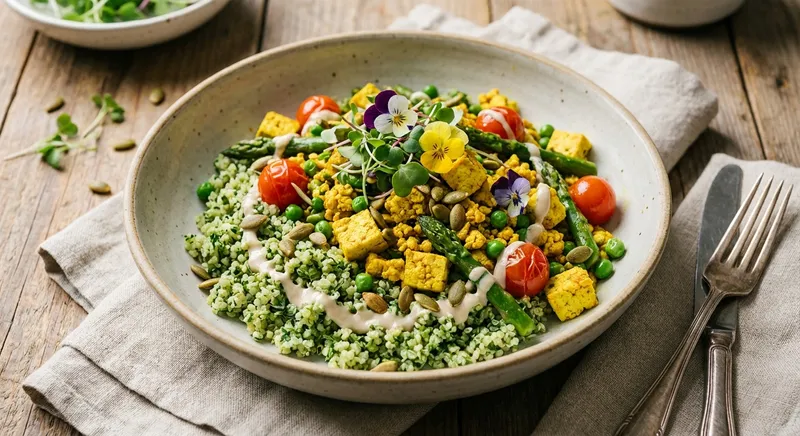
Breakfast
Savory Turmeric Tofu Scramble with Spring Herb Cauliflower 'Quinoa' Bowl
374 cal per serving
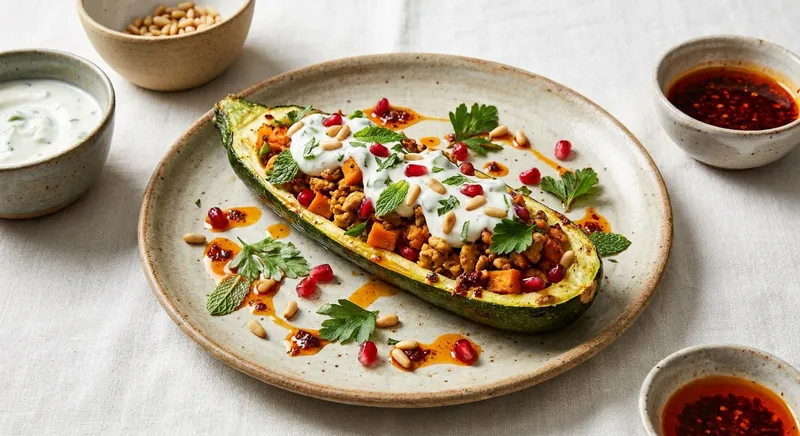
Lunch
Roasted Sweet Potato & Spiced Ground Chicken Stuffed Zucchini with Scallion Yogurt
473 cal per serving
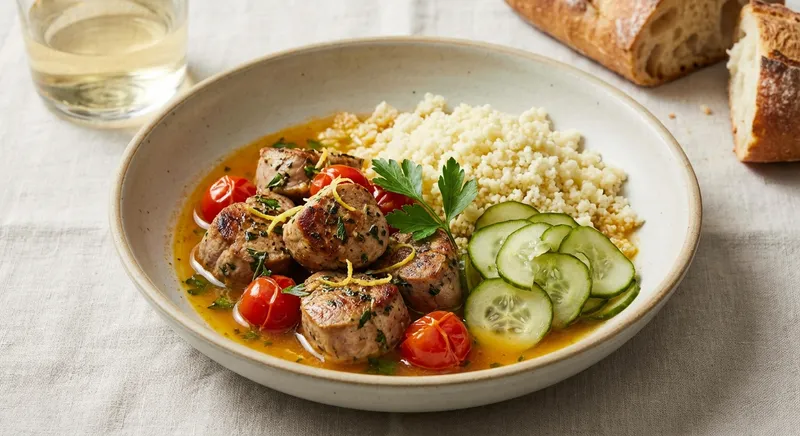
Dinner
Quick Braised Pork Tenderloin Bites in Lemon–Tomato Herb Broth with Cauliflower Couscous and Pickled Cucumber
414 cal per serving
Eat freely
- Fresh meat, poultry, and fish (not pre-brined or "enhanced")
- All fresh and frozen vegetables and fruits
- Rice, oats, pasta, potatoes cooked without salt
- Beans from dry, or canned "no salt added" (or rinsed well)
- Herbs, spices, citrus, vinegar, garlic, onion
Limit or avoid
- Cured and processed meats: bacon, ham, deli meat, sausage
- Canned soups and broths (unless low-sodium)
- Salty snacks: chips, pretzels, salted nuts
- Condiments by the spoonful: soy sauce, ketchup, bottled dressings
- Restaurant and fast food as a default — a single entrée often exceeds a full day's budget
Planning tips that actually help
Cook from scratch and you control ~100% of sodium; the same dish from a restaurant can carry 3-4x more.
Rinsing canned beans and vegetables removes up to 40% of their sodium.
Taste adaptation is real: after 2-4 weeks at lower sodium, food you used to enjoy starts tasting too salty.
If you have heart failure, kidney disease, or take blood-pressure medication, get your personal sodium target from your care team.
Frequently asked questions
How much sodium per day is low-sodium?
General heart-health guidance is under 2,300 mg/day, with 1,500 mg recommended for people with hypertension. A typical American diet runs 3,400 mg+.
What foods are surprisingly high in sodium?
Bread (100-200 mg per slice), cottage cheese, canned soup, deli turkey, jarred pasta sauce, and restaurant salads with dressing — none of which taste especially salty.
How can I add flavor without salt?
Acid and aromatics: finish dishes with lemon juice or vinegar, build bases with garlic and onion, use fresh herbs generously, and brown your proteins well.