Introduction
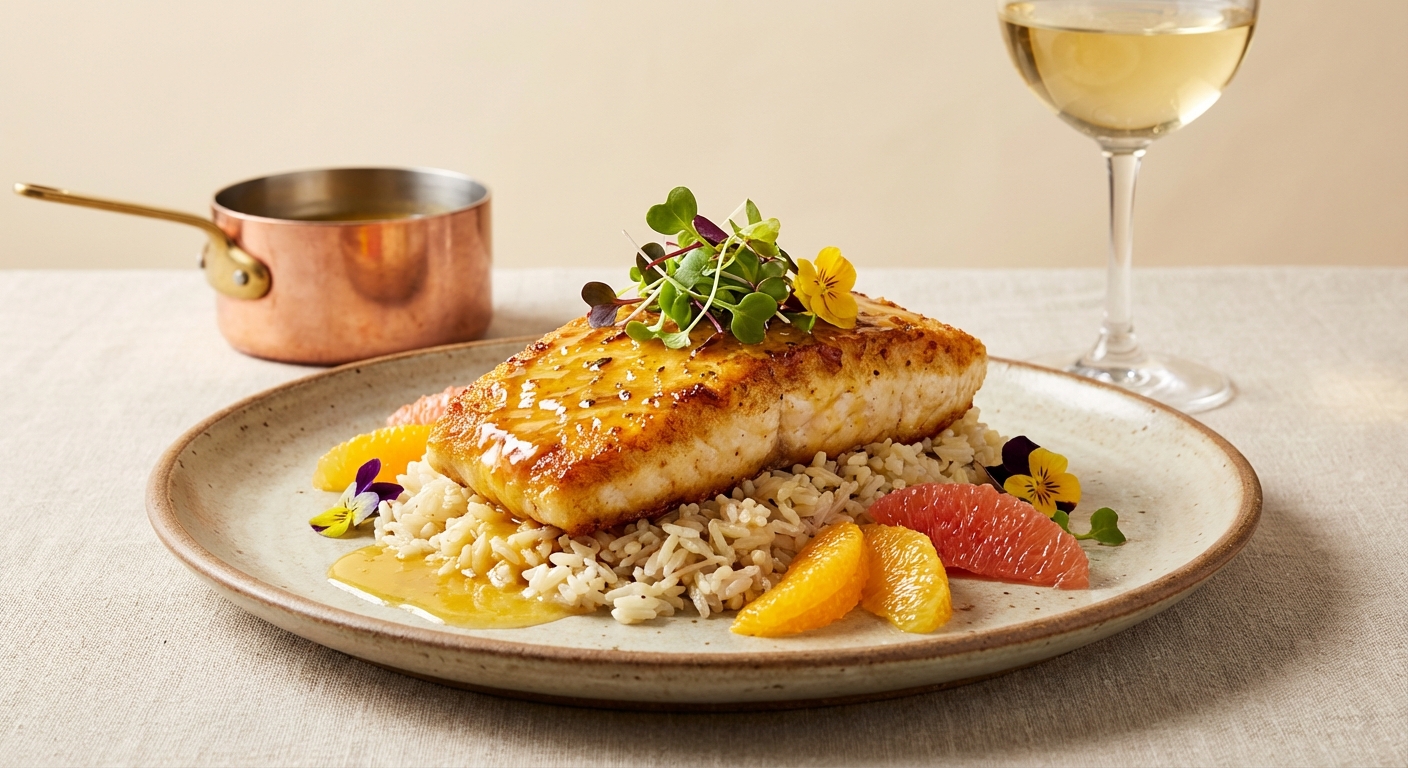
I’ve learned that a dinner can feel like a small celebration even on a Tuesday, provided you treat it with a little intention and a few smart techniques. This Pan-Seared Citrus-Butter Fish with Garlic Shallot Rice is exactly that kind of dish: it’s elegant enough for guests, but straightforward enough for a weeknight. The first bite delivers a crisp, deeply browned crust on tender white fish, finished with a lemon-kissed butter sauce that feels luxurious without being heavy. The rice, infused with shallots, garlic, and bright lemon zest, acts as a silky counterpoint—its grains separate, each bite light and fluffy.
When I first tested this recipe, I was craving something bright and comforting after a long day in the kitchen. The method is simple: a hot pan, a fast sear, then a gentle finish with garlicky lemon butter. The result is a dish that feels special, yet requires only 45 minutes from start to plate. It lives in the Delicious homemade category, a little reminder that home cooking can be both refined and approachable. The beauty of this recipe is that each component stands on its own—the fish’s clean flavor, the citrusy butter, and the garlic-shallot rice—yet they come together to create something greater than the sum of its parts. If you’re someone who loves fish with a bright citrus note and a velvety sauce, you’ve found a new weeknight favorite.
Throughout the post, you’ll notice how each ingredient plays a specific role: the fish provides delicate, flaky meat; the rice forms a comforting bed with a subtle sweetness from the shallots; the butter and olive oil bring richness and a glossy finish; and the lemon ties everything together with its crisp acidity. If you’re curious about a particular ingredient’s health benefits or how it contributes to the dish’s texture, you’ll find a quick primer in the next section, Ingredients Benefits.
Ingredients Benefits
Here’s a closer look at the stars of this dish and how each one elevates the final plate. For a quick peek at each ingredient’s nutritional notes or substitutions, you can explore deeper in the linked ingredient pages.
- Firm white fish fillets (cod, halibut, or sea bass): 1 lb (450 g). The backbone of the dish, these fillets sear to a crisp crust while staying moist in the center. The mild flavor of this fish pairs beautifully with citrus and butter, making it forgiving for cooks still building confidence in pan-searing techniques.
- Long-grain white rice (uncooked): 1 1/2 cups (300 g). Toasting the rice first adds depth and nuttiness, and the long grains help keep the texture light and separated after cooking.
- Extra-virgin olive oil: 3 tbsp (45 ml). The olive oil gets the pan hot and helps form the initial crust without imparting heaviness. It also serves as a flavor bridge between the fish and the butter finish.
- Unsalted butter: 4 tbsp (56 g). Butter is the magic here—rich, glossy, and capable of carrying aromatics into the fish as you baste. The combination of butter with lemon creates that bright, luxurious sauce that coats the dish.
- Shallot, finely diced: 1 medium (80 g). Shallots mellow sweetly when sautéed and bring a refined onion character that complements garlic without overpowering the dish.
- Garlic, minced: 4 cloves (about 12 g). Garlic provides aromatic depth. You’ll add half of it to the rice during toasting and the rest in the butter-baste for the fish—ensuring the flavors mingle without burning.
- Lemon (zest + juice): 1 medium. The zest amplifies brightness, while the juice adds a clean acidity that cuts through butter and fat, balancing the dish beautifully.
- Flat-leaf parsley, finely chopped: 1/4 cup (15 g). Fresh herbs brighten the plate and finish, echoing the lemon notes and adding a pop of color.
- Smoked paprika: 1 tsp. A subtle whisper of smoke that deepens the crust’s flavor and rounds out the citrus’s brightness without making the dish smoky.
- Kosher salt: 1 tsp (plus more to taste). For seasoning both the fish and the rice, salt helps draw out flavors and improves texture by aiding moisture management during searing.
- Freshly ground black pepper: 1/2 tsp (plus more to taste). A gentle peppery bite that complements the brightness of lemon and the richness of butter.
- Water: 2 3/4 cups (for the rice). The cooking liquid for the rice—enough to hydrate the grains and create a tender, but defined crumb.
Expert Tips
Even though the recipe is straightforward, a few intentional tweaks make a big difference in the result. These are the tiny decisions that separate good dinners from memorable ones.
- Dry the fish well before seasoning. Patting the fillets dry helps achieve a fast, even sear rather than a steamed texture. The surface moisture is what blocks that golden crust we crave.
- Season early, but not heavily. The salt and paprika begin to penetrate the fish during a brief rest, helping to season the flesh without drying it out. If you’re seasoning in advance, you can let the fish sit for 15–20 minutes to maximize flavor uptake.
- Preheat the pan thoroughly. A hot skillet (cast-iron or stainless) ensures immediate crust formation when the fillets hit the surface, which is crucial for texture and moisture retention.
- Don’t rush the crust. Place the fillets skin-side down and press gently for 10–15 seconds to ensure even contact. Let the crust form undisturbed for 3–4 minutes; lifting early will prevent that deep golden crust.
- Butter basting enriches the fish and carries aromatics into the flesh. After turning the fish, add the remaining butter, garlic, and lemon juice to the pan and spoon the foaming sauce over the fillets as they finish. Aim for an internal temperature of 125–130°F (52–54°C) for medium, or 135–140°F (57–60°C) for well done.
- Rice technique matters. Rinse briefly to remove excess starch, toast to develop flavor, and simmer with a light touch of salt. Resting the rice off heat for 10 minutes allows the steam to finish cooking and results in fluffier grains. Fluff with a fork and fold in butter, lemon zest, and parsley for a glossy finish.
- Finish and plate with balance. A final drizzle of extra-virgin olive oil, a hint of black pepper, and a sprinkle of parsley brighten the dish and add visual appeal. The contrast of golden-crusted fish atop pale rice creates a restaurant-like presentation at home.
- Make-ahead options. The garlic-shallot rice can be prepared and kept warm for a short while, but is best served fresh. The fish, once seared, is most succulent when plated immediately; if you must wait briefly, keeping the pan warm on low heat can help, but avoid continuing to cook the fish.
- Substitutions and substitutions. If you don’t have lemon, a touch of lime can work, though lemon is ideal for its bright acidity that complements the butter. If you must use a different fish, select a white fillet with similar thickness to maintain a consistent cook time.
Serving Suggestions
This dish is built to be plated with minimal fuss but maximum impact. The plate should tell a story of a sunlit plate of seafood enriched with citrus and a bed of garlic-shallot rice. Here are some ways to present it beautifully and pair it with complementary sides.
- Plating approach. Spoon a mound of garlic-shallot rice in the center of the plate, place a fillet atop the rice, and spoon the lemon-butter pan sauce around and over the fish. Finish with a drizzle of extra-virgin olive oil, a grind of black pepper, and a sprinkle of parsley for color and aroma.
- Accompaniments. A crisp green salad with a light vinaigrette, roasted asparagus, or blanched green beans offer a crisp, fresh contrast to the richness of the fish and rice. A simple cucumber relish would also add a refreshing touch.
- Wine and beverages. A bright, citrusy white like Sauvignon Blanc or a restrained unoaked Chardonnay pairs wonderfully with the citrus butter and the delicate fish. If you’re avoiding alcohol, a sparkling water with a twist of lemon or a citrusy mocktail can mirror the dish’s brightness.
- Side-note on texture and color. A small handful of chopped parsley on top not only adds color but a fresh aroma that enhances the lemony finish. If you like a little extra crunch, a few toasted almond slivers sprinkled over the rice provide a pleasant contrast to the soft grains.
- Make it a dinner party staple. The dish shines when prepared for guests as a centerpiece, yet remains forgiving enough to scale up when you need to feed more. You can pre-measure the rice and aromatics, so the actual cooking sequence is quick and efficient on the night of service.
If you’re curious about more ideas for building a cohesive weeknight menu, explore other recipes in the Delicious homemade category. There’s a whole world of flavor in small, approachable steps, and this dish is a wonderful primer for treating yourself to a little culinary luxury after a busy day. When you’re ready to experiment, I’d love to see your version—share your tweaks and photos, and keep exploring your own kitchen creativity at this creation hub.
FAQ
-
Can I make this with different fish?
Absolutely. This method works well with other firm white fillets such as cod, halibut, or sea bass. If your fish is thinner, reduce the sear time slightly; if it’s thicker, you may need a minute or two more. The key is achieving that deep golden crust while keeping the center moist.
-
How long does this dish store?
For best flavor and texture, enjoy it fresh. If you need to store leftovers, refrigerate cooked fish and rice separately in airtight containers for up to 2 days. Reheat gently on the stove with a splash of water or broth to loosen the rice and a quick reheat for the fish, though the texture will not be quite as crisp as when freshly cooked.
-
Can I make components ahead of time?
You can prep the garlic-shallot mixture ahead and refrigerate for up to 1 day. The rice can be prepared in advance and gently reheated with a splash of water; however, the dish truly shines when served freshly plated, with the crust at its peak and the butter sauce freshly foaming in the pan.
-
What substitutions work well?
If you’re dairy-free, you can experiment with olive oil-based finishing sauces—though you’ll lose some of the butter richness. For citrus, lemon is ideal; lime works in a pinch. If you don’t have smoked paprika, you can omit it or substitute a pinch of sweet paprika for color and a hint of warmth.
Ready to get cooking? Remember, great meals start with good technique and curiosity. Gather your ingredients, set a little timer, and give yourself permission to enjoy the process. After you’ve plated your version, share your results and your own twists. And if you’re feeling inspired to create more recipes, head over to the creation hub and start crafting your own culinary adventures.