Introduction
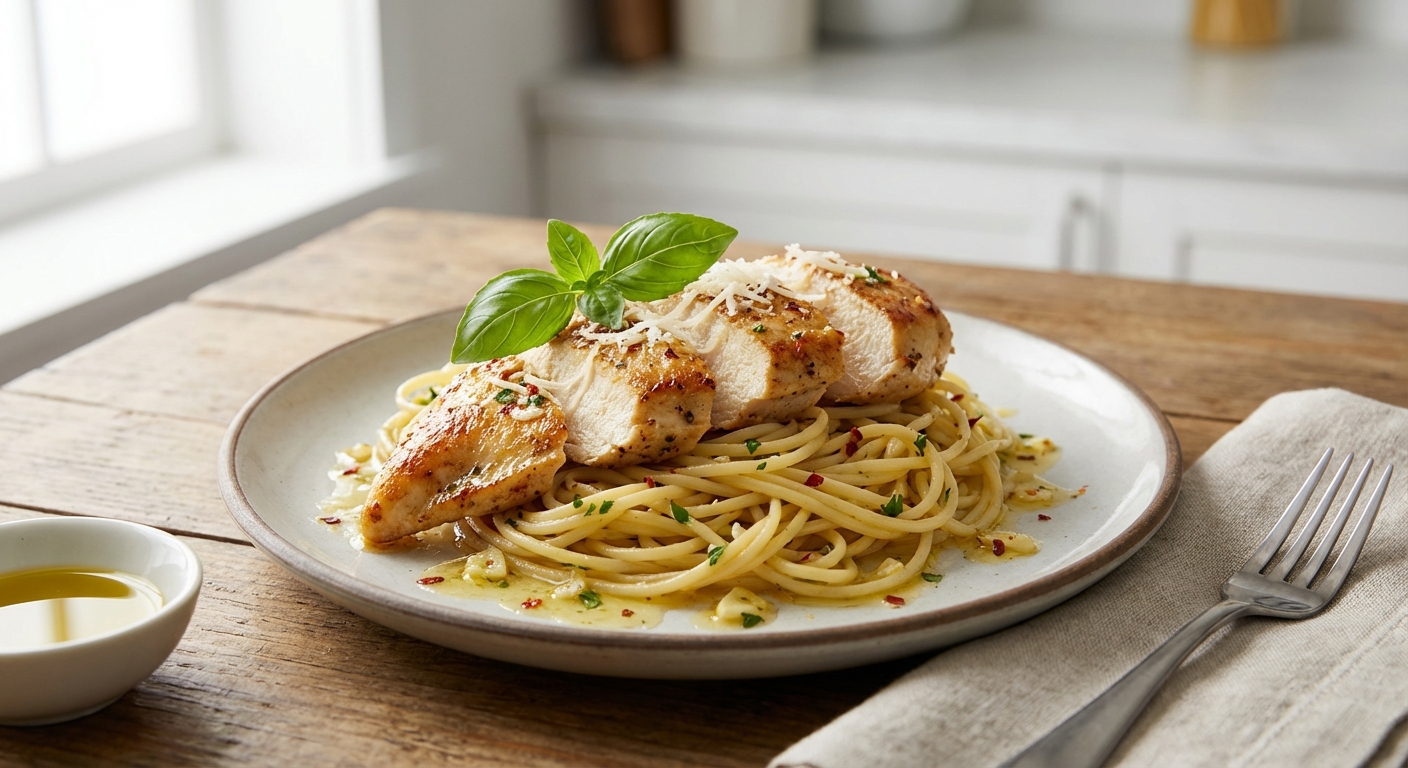
There are meals that feel like a warm hug from a big kitchen window, and this Garlic-Butter Pan-Seared Chicken Aglio e Olio with Pasta is one of them. I’ve always loved how a simple, well-executed technique can turn everyday ingredients into something luminous and memorable. On a recent weeknight when the fridge was a little too empty and my patience for complicated recipes was non-existent, I turned to this classic riff with a few confident tweaks: a generous butter kiss, a lean chicken breast bathed in salt and oregano, and a satin-smooth sauce built from the reserved starchy pasta water. The result was a dish that surprised me with its depth of flavor—crisp-on-the-outside chicken with a juicy interior, and a pasta that clung to a glossy emulsion the way a good kiss clings to a memory. If you’re new to this style of cooking, you’re in for a delicious education: simplicity, technique, and a love for a well-seasoned pan. This recipe is part of my Delicious homemade repertoire, a reminder that comfort food can be delivered with intention and technique. For every ingredient I name below, I’ve linked to its dedicated page so you can learn more about its flavor profile and best uses: garlic, chicken, pasta, onion, butter, olive oil, oregano, red pepper flakes, parsley. This dish is also a great entry point into the Delicious homemade category I love to cook for friends and family.
Ingredients Benefits
Let’s talk about why each element in this recipe shines, and how it contributes to the final, glossy finish. The beauty of an aglio e olio-inspired dish lies in the balance between fat, heat, and texture, and this version puts the spotlight on that balance without overwhelming the palate with cream or heavy sauces.
- Pasta (12 oz / 340 g) — A sturdy, relatively neutral carrier that loves a slick of emulsified sauce. I prefer pasta like spaghetti or linguine here because their flat surfaces pick up the garlicky oil and butter beautifully.
- Chicken breasts (1 lb / 454 g) — Boneless, skinless, and butterflied into thin cutlets so they sear quickly and develop a golden crust. Seasoning with salt and oregano from the start builds a savory, aromatic base. If you’re a香embrace-it-all kind of cook, check the chicken details in your ingredient notes: a good sear is all about dry meat and high heat.
- Garlic cloves (6) — The scent of garlic sweetens as it cooks; minced finely, it dissolves into the sauce without muddying the butter. Garlic can turn bitter if overheated, so we add it after sweating the onion and keep a careful eye on the clock. You can peek at garlic for more tips.
- Unsalted butter (4 tablespoons) — The rich backbone of the emulsion. Butter gives silkiness to the sauce and helps trap the flavors from the browned bits in the pan. The extra butter in the finishing stages is what makes the sauce cling to the pasta.
- Olive oil (2 tablespoons + 1 tablespoon) — A high-heat start and a lighter finish. The oil aids in searing the chicken and, later, creates the base for the onion and garlic to bloom without burning.
- Yellow onion (1 small) — A gentle sweetness that builds a savory base without browning. Sweat it slowly to coax out its natural sugars and create a fresh foundation for the garlic.
- Red pepper flakes (1/2 teaspoon) — A subtle kick that brightens the dish and makes the aroma pop. Use a touch more if you like heat, but this version remains balanced and coaxing rather than fiery.
- Dried oregano (1 teaspoon) — A savory hint that echoes the herbaceous notes in the chicken as it sears. Oregano plays well with garlic and butter, tying everything together with a Mediterranean vibe.
- Kosher salt — Salt is the silent hero here. It seasons the pasta water so the strands taste like the sea, and it seasons the chicken and sauce in stages to avoid dullness. Of course, salt to taste at the end too. You’ll notice the difference between salting water and salting the pan; both are essential.
- Fresh parsley (optional) — A bright, chopped finish that adds color and a touch of freshness to lift the rich, buttery sauce. It also makes the dish look as vibrant as its flavor suggests.
As you prep, notice how the order of operations matters as much as the ingredients themselves. Salt the pasta water early so the pasta has its first bite of seasoning from the inside out. Dry the chicken for a better sear. And most importantly, keep the garlic from browning—its perfume should be intoxicating, not burnt or bitter. These tiny choices are what separate a good weeknight dinner from something truly memorable.
Expert Tips
From a home kitchen to a busy weeknight, here are my go-to tricks that keep this dish reliable, repeatable, and delicious every time.
- Dry is key for a crusty seal. After butterflying the chicken, pat it completely dry. Moisture on the surface can steam the meat rather than sear it, which dulls that perfect crust you want. A dry surface helps the Maillard reaction flourish, giving you that deep, golden crust in minutes.
- Sear the chicken first, then baste. Sear on medium-high heat without moving the meat for 3–4 minutes. Flip, add butter, and spoon that melted butter over the top for a minute or two. This technique keeps the chicken juicy while building flavor from the browning butter.
- Let the sauce emulsify with starch. The secret to a silky, glossy finish is using reserved pasta water to emulsify the butter and oil in the pan. Start with about 3/4 cup and add more as needed. It’s magic how the starch in the water helps the fats merge into a cohesive sauce.
- Timing for garlic and onion. Sweat the onion in the skillet until translucent, then add the minced garlic and red pepper flakes. Cook just until fragrant, 30–45 seconds, to avoid bitterness. Garlic cooks fast; it’s better to pull it off the heat slightly early than to risk turning it savory-sour.
- Finish with texture, not just heat. Toss the drained pasta into the pan and work it with tongs for 1–2 minutes to ensure the sauce clings to every strand. If it looks dry, add a splash more pasta water. You’re chasing a sauce that’s glossy, not soupy, and that clings to the noodles elegantly.
- Rest the chicken, then slice against the grain. Resting for 5–7 minutes keeps the juices inside, and slicing against the grain yields tender bite-sized pieces that reheat beautifully when tossed back with the pasta.
- Herbs for brightness. If you’ve got fresh parsley, sprinkle it at the end for color and a pop of fresh aroma. It’s a small flourish, but it reads loudly on the plate.
- Make it your own. Try swapping in a different dried herb (a pinch of dried thyme or marjoram) or adjusting the heat level to suit your crowd. The technique is the star here; you can pivot the flavors without losing the fundamental balance.
If you’re curious about the science behind emulsions and perfect pan sauces, I’ve found that tasting alongside the process—adjusting salt or adding a splash of pasta water as you go—helps train your palate to recognize when the sauce has that restaurant-quality cling. And if you’re feeling adventurous, you can even route the chicken’s sear and sauce toward a slightly more lemony finish with a squeeze of citrus at the end for a bright lift.
Serving Suggestions
There’s something about a hastily plated, steam-warm dish that begs to be served immediately. This garlic-butter chicken aglio e olio is best enjoyed hot, straight from the skillet to the plate, with the glossy sauce rolling over each strand of pasta and a few slices of chicken nestled among the curls. Here are some simple ideas to complete the plate and the dining experience:
- Pair with a crisp white wine such as Pinot Grigio or a light Sauvignon Blanc. The acidity keeps the butter from feeling heavy and refreshes the palate between bites.
- Offer a side salad with a lemon vinaigrette to mirror the brightness in the dish, or serve with a crusty loaf of bread to sop up every last drop of the emulsion.
- Finish with an extra squeeze of lemon for a fresh, zesty lift if you’re in the mood for a citrusy note that echoes the garlic and herbs without overpowering them.
- For a more substantial meal, add a handful of sautéed vegetables (zucchini, cherry tomatoes, or spinach) to the skillet in step 7; they’ll steam in the sauce and pick up the flavors beautifully.
When plating, keep a little skeptic’s eye for the sauce’s sheen. The moment the pasta looks glossy and clings to the strands, you know you’ve struck that emulsified balance. If you’re serving guests, a quick sprinkle of chopped parsley adds a pop of color that makes the dish feel polished and intentional. This recipe lives in the Delicious homemade category for a reason—it’s accessible, deeply satisfying, and a little something special you can pull off on a busy weeknight.
FAQ
- Can I use chicken thighs instead of breasts? Yes. Thighs stay juicier and more forgiving if you like dark meat. You’ll still pan-sear to a crisp crust and rest before slicing. Cut into similar-thickness portions for even cooking.
- How long can I store leftovers? Refrigerate in an airtight container for up to 3 days. Reheat gently in a skillet with a splash of pasta water to bring back the emulsified sauce and keep the chicken tender.
- Can I make this ahead? You can prepare the sauce and chicken ahead, but I prefer to cook the pasta and combine just before serving to preserve the texture of the pasta and the gloss of the sauce. If you must, keep components separately and finish the dish just before eating.
- What substitutions work well? If you don’t have red pepper flakes, omit them; a pinch of paprika can offer a similar smokiness. For gluten-free options, use your favorite gluten-free pasta, keeping an eye on cooking times as they vary by brand.
If you enjoyed this dish and want to keep exploring the world of easy, flavorful sauces and confident technique, I’d love for you to try making your own recipes at /create. It’s a space where you can experiment with flavors, record what works, and build a library of weeknight heroes just like this one.