Introduction
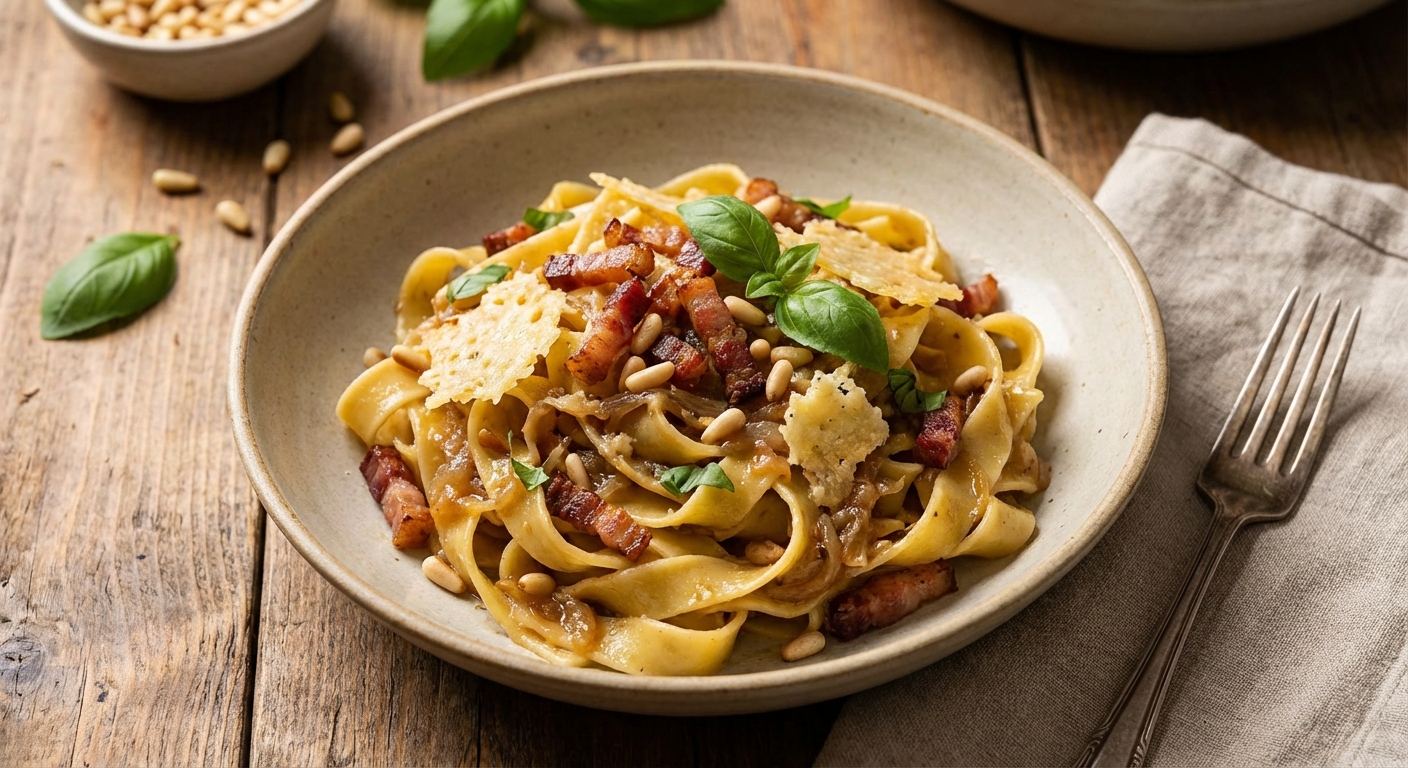
There’s something quietly magical about caramelized onions spiraling into a glossy, butter-slicked pasta sauce. On busy weeknights, I reach for a dish that feels indulgent and cozy yet comes together with the precision of a well-practiced routine. Caramelized Onion Parmesan Pasta (Italian-style) is that dish for me—a testament to patience (and a little sugar, optional, to coax the sweetness) transformed into a plate of comfort that still feels bright enough for a weekday kitchen. The recipe itself checks a lot of boxes for a weeknight dinner: it’s vegetarian-friendly (depending on your cheese choice), uses simple pantry staples, and finishes in a single pan with a glossy, lemon-bright finish that makes your taste buds sing without leaving you with a sink full of dishes.
As I stroll through the process, I can almost smell the onions turning from pale yellow to deep amber, the pan flirting with a gentle sizzle as the garlic and red pepper flakes wake up the room. The sauce deftly coats the pasta, thanks to a little reserved pasta water that acts like magic dust—thickening and emulsifying into a satin finish that clings to every strand. And then there’s the Parmesan, melted in off the heat to keep its flavor lush rather than grainy, with a final flourish of parsley and a kiss of lemon that keeps the sweetness from slipping into cloying territory. It’s the kind of dish that tastes like it came from a rustic Italian kitchen, but it’s entirely approachable for a weeknight at home.
If you’re cooking this for the first time, you’ll notice how the recipe balances timing and technique. The onions cook low and slow to coax their natural sugars into a deep, nutty caramel. Garlic goes in just long enough to become fragrant but not bitter. A splash of lemon lightens the whole thing, and a pinch of red pepper flakes adds a whisper of heat. The cheese is folded in off the heat, so the proteins don’t seize and the sauce stays glossy. It’s a harmony of textures and flavors—silky sauce, al dente pasta, and a touch of brightness that makes you reach for a second forkful before you even realize it.
For those who like to categorize their cooking, you’ll find this dish checked in several of my favorite lanes: Pasta, Italian, Vegetarian (optional), and Weeknight dinner. It’s not pretending to be fancy; it’s confident in its simplicity and its ability to deliver nourishment with every twist of the spoon. And if you’re curious about the ingredients themselves, you’ll notice how each one plays a role in building the final flavor profile—so I’ve laid out the benefits in the next section to help you shop with intention.
Ingredients Benefits
Understanding why each component matters can elevate your cooking intuition—not just this recipe, but everything you make after it. Below are the key players and what they contribute to the caramelized onion Parmesan pasta. I’ve included quick notes on how to treat them so you get the most out of every bite. For convenience, I’ve linked to the dedicated pages for each ingredient so you can learn more or swap in a preferred version as needed.
- dried pasta: The backbone of the dish. Choose spaghetti, tagliatelle, or fettuccine for a classic, toothsome texture that holds the sauce beautifully.
- yellow onions: The star of the show. Their natural sugars caramelize into a deep, toasty sweetness that defines the sauce’s character.
- extra-virgin olive oil: A fruity fat that carries flavor and helps onions brown without scorching.
- unsalted butter: Adds richness and a silky mouthfeel; it rounds out the olive oil’s edge during the final stages of caramelization.
- garlic cloves: A fragrant, pungent note that gives the sauce depth when added after the onions bloom but before the wine (or water) deglaze.
- granulated sugar (optional): Helps uniform caramelization by feeding the browning process when the onions are cooking low and slow.
- Parmesan cheese: Adds a salty, umami punch that makes the sauce cling to the pasta; fold in off the heat for best texture.
- fresh lemon juice: Brightens the dish, cutting the sweetness and lifting the flavors to feel light and confident.
- red pepper flakes: A gentle kick to balance the sweetness; use to taste.
- flat-leaf parsley: Fresh green finish that adds color and a fresh, herbaceous note.
- kosher salt: Essential for seasoning—especially in the pasta water and onions; adjust to taste as you go.
- black pepper (freshly ground): A warm finish that amplifies all the savory elements.
- Reserved pasta water: The starch-rich water used to emulsify the sauce and help it cling to the pasta; you’ll measure this as you cook.
Expert Tips
Caramelization is a patient process, but it’s also forgiving if you pay attention to a few essentials. Here are my go-to tricks to ensure your Caramelized Onion Parmesan Pasta turns out glossy, deeply flavored, and perfectly balanced.
- Wide, heavy skillet matters: A pan with a broad surface area promotes even evaporation of moisture from the onions, encouraging browning rather than steaming. If your pan is crowded, onions steam and won’t develop that deep amber color.
- Uniform onion slices: The recipe calls for thin, evenly cut onions. Uniform slices mean even caramelization, so take a moment to prep properly; the slices that are too thick won’t brown as quickly, and the dish’s texture will be uneven.
- Low and slow is your friend: Allow the onions to cook undisturbed for the first 6–8 minutes, then stir in intervals. This patience turns sugars into those toasty, brown compounds that define the depth of flavor.
- Sugar is optional, but helpful: A teaspoon of granulated sugar after the onions have started caramelizing can accelerate and smooth the browning. If you want a purer, more onion-forward sweetness, skip it—your call.
- Deglaze to lift the fond: After the onions reach the amber stage, deglaze with a bit of the reserved pasta water and lemon juice. This lifts the browned bits off the pan, concentrating flavor and helping to emulsify the sauce later.
- Garlic timing matters: Add minced garlic after the onions have softened and started to brown. A quick 30–45 seconds of cooking is enough; garlic can turn bitter if burnt, and you want aromatic, not acrid.
- Emulsify off the heat: When you toss the drained pasta into the skillet, keep the heat low and fold in Parmesan off the heat in two additions. This ensures the cheese melts smoothly without seizing the proteins, producing a glossy sauce instead of a greasy or grainy one.
- Reserve pasta water and adjust salt carefully: The starch in the water helps emulsify fats and cheese. Add it gradually and taste before adding more salt—Parmesan is salty, and you’ll want a balanced seasoning at the end.
- Finish with a gloss: A final drizzle of good extra-virgin olive oil (about 1 teaspoon) right before serving adds aroma and a light sheen; it makes the dish feel restaurant-polished.
Serving Suggestions
Serving this pasta hot and glossy is part of the experience. I love presenting it on warmed plates to keep the sauce from congealing and to preserve that luscious finish. Here are a few ideas to elevate the plate beyond the skillet:
- Garnish with purpose: A little extra grated Parmesan on top, a pinch of red pepper flakes for heat, and a final sprinkle of chopped flat-leaf parsley bring freshness and color to the plate.
- Wine and bread pairings: A bright white—think Vermentino, Pinot Grigio, or a Sauvignon Blanc—plays nicely with the lemon and onion sweetness. Serve with crusty bread or a simple arugula salad to add a peppery bite that contrasts nicely with the pasta.
- Variations worth trying: If you’d like to boost the savory dimension, toss in sautéed mushrooms or wilted spinach near the end. You can also swap in a vegetarian-friendly hard cheese if you prefer a different cheese profile or are cooking for guests with dietary preferences.
- Make-ahead mindset: This dish shines fresh, but you can prep the onions a day ahead and refrigerate; then simply reheat with the pasta and a splash of water to re-emulsify the sauce. If you’re reworking it for future meals, plan to finish with cheese off the heat just before serving.
If you’re inspired to create more of your own Italian-inspired weeknight dishes, I’d love for you to explore and experiment in your own kitchen. Try designing your own recipes and see where your culinary curiosity leads you next.
FAQ
- How long does this keep in the fridge? Leftovers can be stored in an airtight container for up to 3 days. Reheat gently on the stove with a splash of pasta water to restore the emulsified sauce. If the pasta seems dry, add a touch more water or a drizzle of olive oil to loosen it.
- Can I make this ahead? You can caramelize the onions up to a day in advance and store them in the fridge. Reheat briefly in a skillet, add the cooked pasta, and finish with the butter, Parmesan, and a splash of lemon juice for brightness. The meat of the dish—pasta and sauce—benefits from cooking fresh, but ready-to-reheat onions save you time.
- What pasta shapes work best? All long shapes—spaghetti, tagliatelle, or fettuccine—hold the sauce beautifully. Short shapes can work too if you prefer, but the silky coating of a long strand is especially satisfying here.
- substitutions for dietary needs? For a vegan version, omit the Parmesan or substitute a vegan Parmesan, and use olive oil instead of butter. If you’re avoiding dairy entirely, you can still achieve a similar texture with a high-quality vegan cheese or a nut-based cream, but note that the flavor will be different.
Whether it’s a weeknight feast for one or a casual dinner for friends, this Caramelized Onion Parmesan Pasta is my reminder that simple ingredients, treated with patience and care, can become something almost transcendent. It’s a dish that invites people to slow down, gather around the table, and savor the moment—one glossy forkful at a time.
Remember, if you’re craving more kitchen experiments and soulful plates, you can browse pasta ideas, explore Italian recipes, or dive into other vegetarian-friendly dinners. And when you’re ready to chart your own culinary course, head to the create page to start composing your own recipes.
Nonetheless, the next time you slice onions and hear that distinct sizzle, you’ll know you’re on the path to something memorable—Caramelized Onion Parmesan Pasta, a true celebration of simple ingredients, patient technique, and a love of good food.