
High-Protein meal plan
Whether the goal is muscle growth, fat loss, or just staying full, protein is the macro worth planning around: it preserves lean mass in a deficit, drives muscle growth in a surplus, and has the highest satiety per calorie.
The problem is that protein doesn't happen by accident — a typical unplanned day lands around 60-80 g. Hitting 120-180 g requires deciding where each 30-40 g block comes from, which is exactly what a meal plan does.
Get a personalized high-protein week in about a minute
RecipeAI builds a full week of high-protein-friendly meals around your calories, portions, and dislikes — grocery list included. Free to try.
Build my meal planA sample high-protein day
Real recipes from our collection — tap any meal for the full recipe.
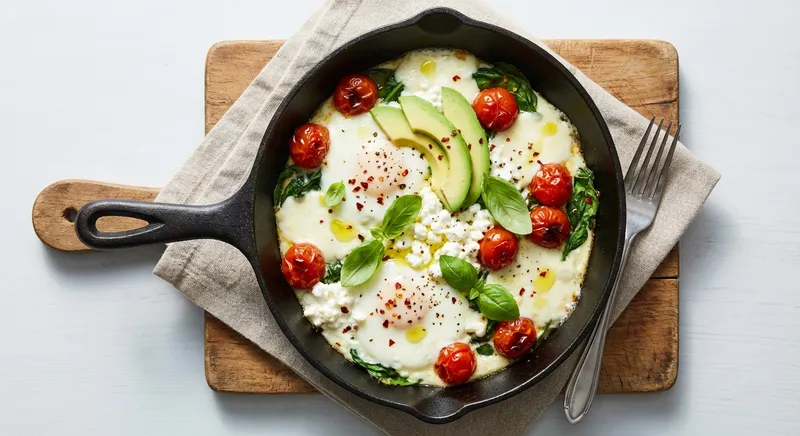
Breakfast
Protein-Packed Cottage Cheese & Mozzarella Egg-White Skillet
216 cal per serving
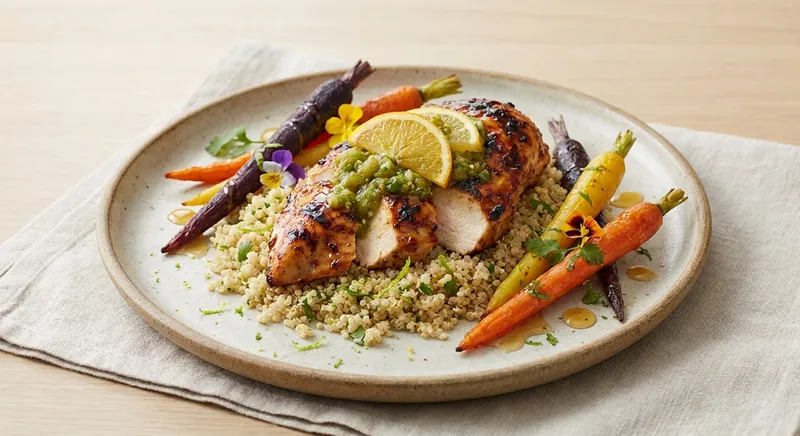
Lunch
Charred Citrus-Tomatillo Grilled Chicken with Cilantro Quinoa and Honey-Roasted Rainbow Carrots
896 cal per serving
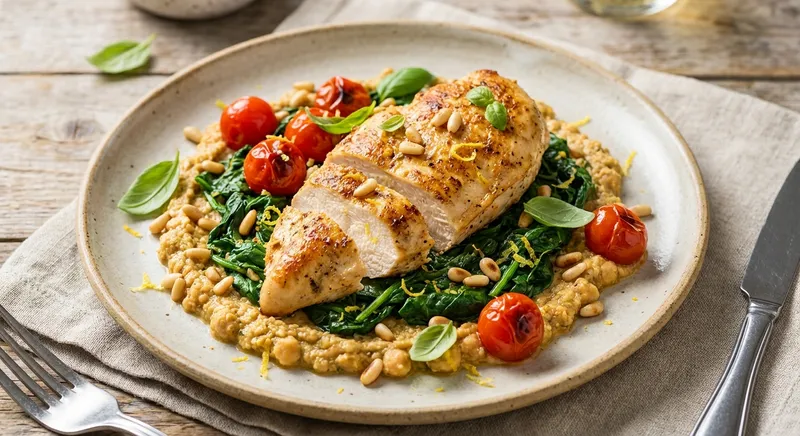
Dinner
Lemon-Garlic Seared Chicken with Chickpea-Pesto & Wilted Spinach (Quick High-Protein Dinner)
497 cal per serving
Eat freely
- Chicken breast, turkey, lean beef, pork tenderloin
- Fish and seafood: tuna, salmon, shrimp, white fish
- Greek yogurt, cottage cheese, skyr
- Eggs and egg whites
- Tofu, tempeh, edamame, lentils; whey or plant protein powder
Limit or avoid
- Nothing is banned — but limit foods that spend your calories without protein:
- Refined snacks (chips, candy, pastries)
- Sugary drinks and juices
- Deep-fried sides that crowd out protein portions
Planning tips that actually help
Target 1.6-2.2 g of protein per kg of body weight (0.7-1 g per lb) if you train; the lower end is fine otherwise.
Distribute protein across 3-5 meals of 25-45 g each — your muscles use it better than one giant dinner.
The breakfast upgrade does the most work: swapping cereal for eggs + Greek yogurt adds 30 g before noon.
Frequently asked questions
How much protein should I eat per day?
For active people, 1.6-2.2 g per kilogram of body weight per day (roughly 0.7-1 g per pound). A 70 kg (155 lb) person training regularly would target 110-155 g.
What foods are highest in protein?
Per 100 g: chicken breast (~31 g), canned tuna (~26 g), Greek yogurt (~10 g), eggs (~13 g), tofu (~8 g), lentils (~9 g cooked). Protein powders run 70-90 g per 100 g.
Can you eat too much protein?
For healthy people, intakes up to about 2.2 g/kg show no harm in research. People with kidney disease should follow their doctor's guidance on protein.