
A dramatic, 30-minute breakfast marvel: Vanilla Bean & Honey Dutch Baby with Brown-Sugar Butter, featuring a puffed center, crisp edges, and a toasty brown sugar butter finish.
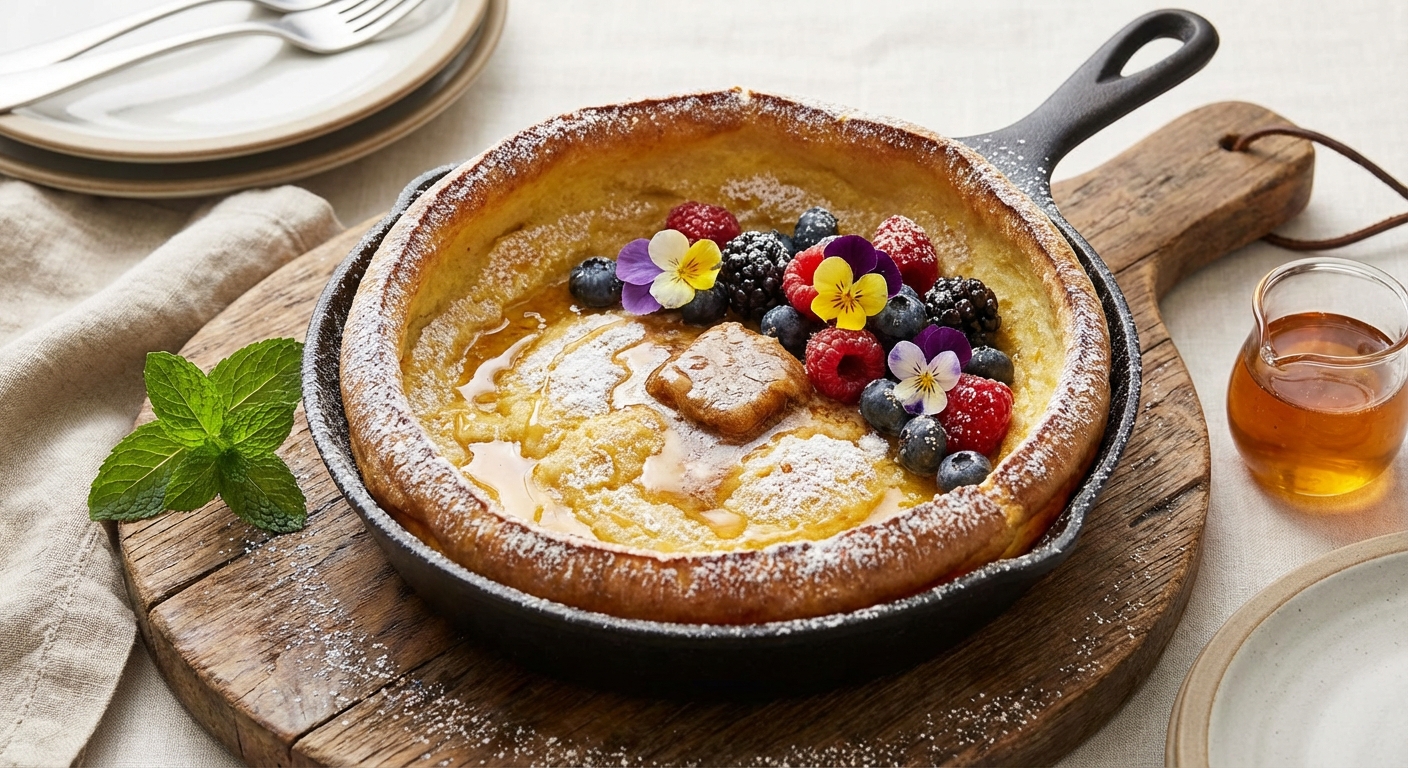
A dramatic, 30-minute breakfast marvel: Vanilla Bean & Honey Dutch Baby with Brown-Sugar Butter, featuring a puffed center, crisp edges, and a toasty brown sugar butter finish.
Ready to cook?
Get the complete ingredient list, step-by-step instructions, and nutritional info
View Recipe →On bustling weekend mornings, I crave something that feels celebratory, something that makes the kitchen smell like a warm bakery while still demanding only a few simple steps. Vanilla Bean & Honey Dutch Baby with Brown‑Sugar Butter does exactly that. It arrives on the table puffed and dramatic, with crisp edges and a custardy center that somehow sings with the sweetness of honey and the toasty notes of browned butter. The beauty of this recipe is that it feels fancy enough for guests but is a quick, 30‑minute affair that suits a cozy family breakfast or a lazy brunch. And if you’re a curious cook like me, you’ll find that the way the batter rises—courtesy of a scorching hot skillet and room-temperature ingredients—creates a moment of kitchen theatre that never fails to delight.
I’ve made Dutch babies before, but this Vanilla Bean & Honey version elevates what could be a simple pancake into a memory. There’s something about splitting the vanilla bean and scraping the seeds into the batter, about letting the eggs and milk come to room temperature, and about that first sizzle of butter meeting a blisteringly hot pan. The process feels almost ceremonial: preheating the pan in a hot oven to coax a dramatic rise, whisking until just smooth to keep the texture tender, and finishing with a glossy honey drizzle that pools into the crevices of the browned edges. It’s not merely a recipe; it’s a cozy ritual that says, “Take a moment for yourself and your guests.”
This particular post sits in the Delicious homemade category, a homey reminder that extraordinary flavors often start with everyday ingredients. If you’re new to Dutch babies, you’ll be surprised how forgiving they are—and how quickly you can transform a few pantry staples into something with the charm of a patisserie lesson learned in your own kitchen. Ready to dive in? Gather your ingredients, set your timer, and let the clock become part of the performance.
Before we dive into the how, let’s talk about the who and why of the ingredients. Each component is chosen not just for flavor, but for texture, aroma, and the magical ascent of the batter in the oven. I’ve included notes on why each element matters, and you’ll notice how many of them are pantry staples that sing together in this dish. For convenience, I’ve linked the key ingredients to their dedicated pages so you can learn more or substitute thoughtfully if you need to.
If you’d like to tailor this to your pantry, you can consider substitutions, but I’d urge you to at least try the vanilla bean and the honey as-is once. They’re the duo that lifts this Dutch baby from good to unforgettable.
These tips are the little insider moves that make the difference between a good Dutch baby and a blow‑your-socks-off puff. I’ve tested each one so you don’t have to wrestle with the timing in your kitchen. Keep these in mind as you bake, and you’ll see the batter come alive with steam and rise dramatically in the oven.
If you like a restaurant‑style presentation, you can follow the optional plating note in the recipe: lift the Dutch baby onto a cutting board, spread the brown-sugar butter into the center, drizzle honey in a slow spiral, slice, and serve with fresh fruit or a dollop of yogurt. It’s a small flourish that makes a big visual impression and creates contrast in temperature and texture for a memorable first bite.
The key to enjoying this Dutch baby at its best is serving it immediately. The moment it leaves the oven, it’s still hot enough to allow the brown-sugar butter to melt into the nooks and crannies, and the honey to pool into the crevices. The crisp edges, the custardy center, and the aromatic vanilla create a symphony of textures and flavors that’s incredibly comforting. Here are a few ideas to finish your plate with flair:
Whether you’re serving a crowd or treating yourself to a quiet morning, this Dutch baby invites conversation and slow savoring. There’s something so satisfying about watching it puff and then watching it deflate gracefully as it cools—like a living pastry that still holds its charm as it lands back on the plate.
Here are a few quick answers to common questions that come up when I share this recipe with readers. If you have a question that isn’t answered here, drop a comment and I’ll help you troubleshoot.
Leftovers are best enjoyed within 1 day for optimum texture and flavor. Store cooled wedges in an airtight container in the refrigerator. Reheat gently in a 350°F (175°C) oven for about 5–8 minutes to recrisp the edges and bring back some of the soft interior. If you skip the reheat, the center may feel a bit stiffer as it cools, but the flavors will still be delicious.
For the best rise and texture, I recommend whisking the batter just before you bake. You can do the dry and wet components separately ahead of time, then combine and rest the batter briefly before baking. If you’re pressed for time, you can mix the eggs, milk, and vanilla and refrigerate for up to 2 hours, bringing the mixture to room temperature before whisking in the dry ingredients, but the batter may not rise quite as dramatically.
Absolutely. If you don’t have a vanilla bean, you can use 1/2 to 1 teaspoon of vanilla extract. For a dairy-free version, swap the milk for a high-quality almond or oat milk and use a dairy-free butter substitute for the browned‑butter and finishing butter. Keep in mind that the texture and flavor may shift slightly, but the Dutch baby will still be wonderfully delicious. If you’re avoiding brown sugar, you can use an extra tablespoon or two of granulated sugar with a touch more honey for moisture and caramel notes.
Feel free to experiment. A light dusting of powdered sugar and a handful of fresh berries works beautifully, as does a spoonful of thick yogurt for tang. A pinch of cinnamon or cardamom can add warmth, especially if you’re serving this in cooler weather. Just remember that the vanilla and honey are the star notes, so keep extra additions complementary rather than overwhelming.
Feeling inspired? If you want to forge your own culinary path and create more delicious recipes, start your next kitchen project here: create your own recipes.
Discover similar recipes you'll love