Introduction
On busy weeknights, I reach for a recipe that feels like a hug from a kitchen friend: Simple Garlic and Olive Oil Pasta. It isn’t flashy, it doesn’t demand a long simmer, and yet it delivers bright, glossy flavors that make you smile as you twirl the last strands around your fork. I first learned this dish in a sunlit apartment in Rome, where a generous grandmother showed me that a great meal can be built on a handful of pantry essentials: garlic, olive oil, and a handful of pasta. It was a revelation: minimal ingredients, maximum satisfaction, and a fragrance that made the neighbors poke their heads into the hallway to ask what smelled so good.
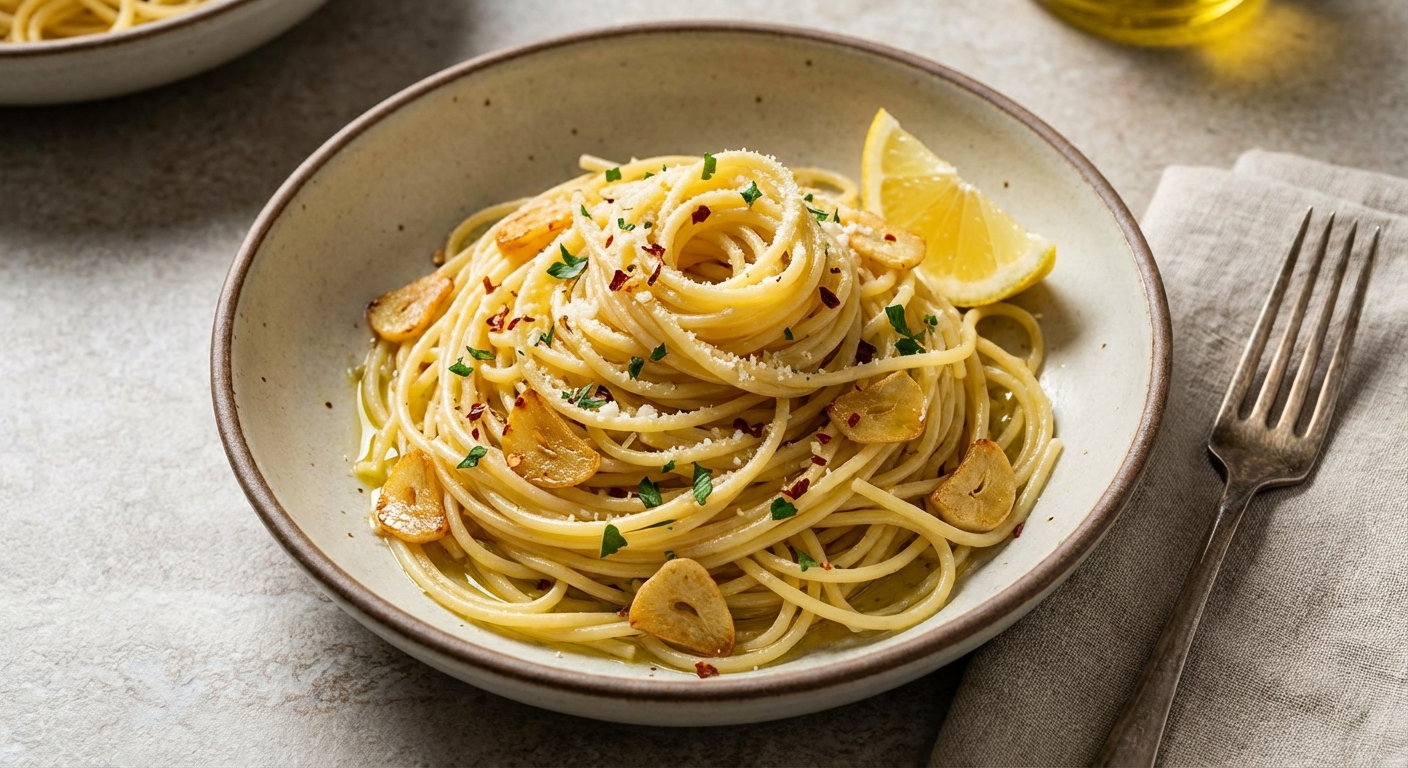
What really drew me to this recipe is the way it embodies Italian cooking philosophy: simple ingredients treated with respect, time-saving techniques that enhance flavor, and a final touch of brightness from fresh parsley and a generous grating of Parmesan cheese. This dish clocks in at about 20 minutes, which is enough time to boil the pasta until al dente and toast the garlic in a shimmering pool of olive oil—magic happens when everything comes together in a glossy, slightly slick sauce that clings to each noodle.
If you’re someone who wants a comforting main course that stays firmly within the vegetarian camp, this recipe checks all the boxes. It’s categorized as a Main Course, rooted in Italian tradition, and proudly Vegetarian. And because it’s a dish you can make with a few everyday ingredients, it’s a perfect “I forgot to plan, but I still want something wonderful” kind of meal.
Ingredients Benefits
Before we dive into tips and techniques, here’s a quick look at what each ingredient brings to the table—both in flavor and in the practicalities of weeknight cooking.
- Pasta (200 g): A forgiving canvas. The bigger the surface area, the more that garlic-oil glaze can cling to each strand. Choose a shape you like—spaghetti, linguine, or thin fettuccine all work; the key is cooking it until al dente for that satisfying bite. Pasta forms the backbone of this dish and keeps things simple and satisfying.
- Olive oil (3 tbsp): The flavor vehicle. A good extra-virgin olive oil adds fruitiness and a silky mouthfeel that carries the garlic without overpowering it. This is not the place for a bland oil—invest in a robust bottle for better results. Olive oil is where this dish finds its glow.
- Garlic (3 cloves): The aroma start of the entire dish. Finely minced and sautéed gently, it releases a sweetness that complements the pepper flakes and cheese. Garlic isn’t meant to scorch; it should perfume the oil and your kitchen. Garlic is the star here as the flavor backbone.
- Red pepper flakes (1 tsp): A kiss of heat that lifts the dish without stealing the spotlight. Use less if you’re sensitive to spice, or toss in a touch more if you like a noticeable kick. Red pepper flakes are the small but mighty spark here.
- Fresh parsley (2 tbsp): Bright, herbal freshness to finish the pasta, plus a nice color contrast. Parsley brings a lift that makes the dish feel lighter and more vibrant. Parsley is the final flourish that ties everything together.
- Parmesan cheese (50 g): A silky melt that adds salt and savor without needing extra cream. A fresh grate over the hot pasta lets the cheese dissolve into the gloss of the sauce. Parmesan cheese is the finishing, flavor-rich note.
If you’re dairy-free or vegan, you can skip the parmesan altogether and rely on extra virgin olive oil, a squeeze of lemon, and a handful of chopped herbs to brighten the dish. You can also experiment with nutritional yeast for a cheesy vibe without dairy—though strictly speaking, that’s a variation rather than a substitution of the core ingredients.
Expert Tips
- Keep the garlic at a gentle sizzle. Heat the olive oil over medium, add the minced garlic and red pepper flakes, and sauté for 1–2 minutes until the garlic is golden and fragrant. If the garlic browns too quickly, it will taste bitter. The goal is aroma, not a burnt edge.
- Reserve pasta water. The recipe calls for 1/2 cup of the starchy water. This is your secret emulsifier. When you gradually add it to the skillet with the pasta, the starch helps the oil and cheese cling to the noodles, creating a glossy, cohesive sauce rather than a slick that slides right off.
- Toss with intention. After adding the drained pasta to the skillet, remove the pan from heat for a moment to prevent the cheese from clumping, then toss vigorously. The sauce should coat each strand and cling with a light, silky sheen.
- Season deliberately. Salt to taste after the sauce forms; you’ll often need less salt than you think because the cheese and the pasta water contribute salinity. Finish with a few turns of freshly ground black pepper for balance.
- Finish with herb and cheese. Fold in chopped parsley and a generous handful of freshly grated Parmesan off the heat to melt into the pasta. The result is a bright, savory finish with a hint of freshness from the parsley.
- Texture and shape matter. If you’re using broader noodles, you might need a touch more pasta water to emulsify properly. Conversely, thinner shapes soak up less water, so adjust by eye until the sauce clings with a light gloss.
Serving Suggestions
This dish shines as a standalone main course, but there are easy ways to elevate it or tailor it to your mood.
- Pair with a crisp white wine like a Pinot Grigio or Verdicchio to mirror the brightness of the dish.
- Serve with a simple side salad—arugula with lemon vinaigrette or a crisp cucumber and tomato salad adds a refreshing contrast.
- Turn this into a more substantial meal by adding protein like grilled shrimp or white beans. The 20-minute timeline still works, because you can add warm, pre-cooked beans or quick-seared shrimp just before tossing with the sauce.
- Finish with a splash of lemon zest for a citrusy lift that brightens the garlic oil without overpowering it.
- For a snug, crusty texture, pair with toasted bread rubbed with a clove of garlic to soak up any extra sauce.
If you’re curious about exploring other ingredients, you can explore related staples and ideas by visiting the ingredient pages for garlic, olive oil, and Parmesan cheese, or browse more quick, comforting dishes in the Main Course and Italian sections.
FAQ
- How long does this keep?
- Leftovers can be stored in an airtight container in the refrigerator for up to 2 days. Reheat gently in a skillet with a splash of water or olive oil to revive the gloss and prevent the pasta from drying out. If you’ve added cheese, reheat on low heat to prevent clumping.
- Can I make this ahead?
- The best approach is to cook the pasta and the garlic oil separately ahead of time, then combine with a small amount of hot water and the cheese just before serving. This keeps the sauce fresh and prevents the pasta from soaking up too much oil and becoming heavy.
- What substitutions work well?
- For a dairy-free version, skip the Parmesan and finish with extra parsley and a drizzle of olive oil, or sprinkle with nutritional yeast. If you’re avoiding gluten, use your favorite gluten-free pasta and follow the same method. You can also experiment with fresh lemon zest to brighten the dish further.
- Can I use a different pasta shape?
- Absolutely. While spaghetti or linguine are classic, any shape that holds onto the oil and cheese will work, from short tubes to delicate capellini. The key is to cook al dente and emulsify with the reserved pasta water.
Want to become a better home chef with more accessible, crave-worthy recipes? Explore more ideas and start your own cooking journey at Create—build a collection of your favorite recipes and share your twists with a growing community.