
Restaurant-style Silky French Scrambled Eggs: a 15-minute, foolproof method for creamy, glossy eggs you’ll crave every morning.
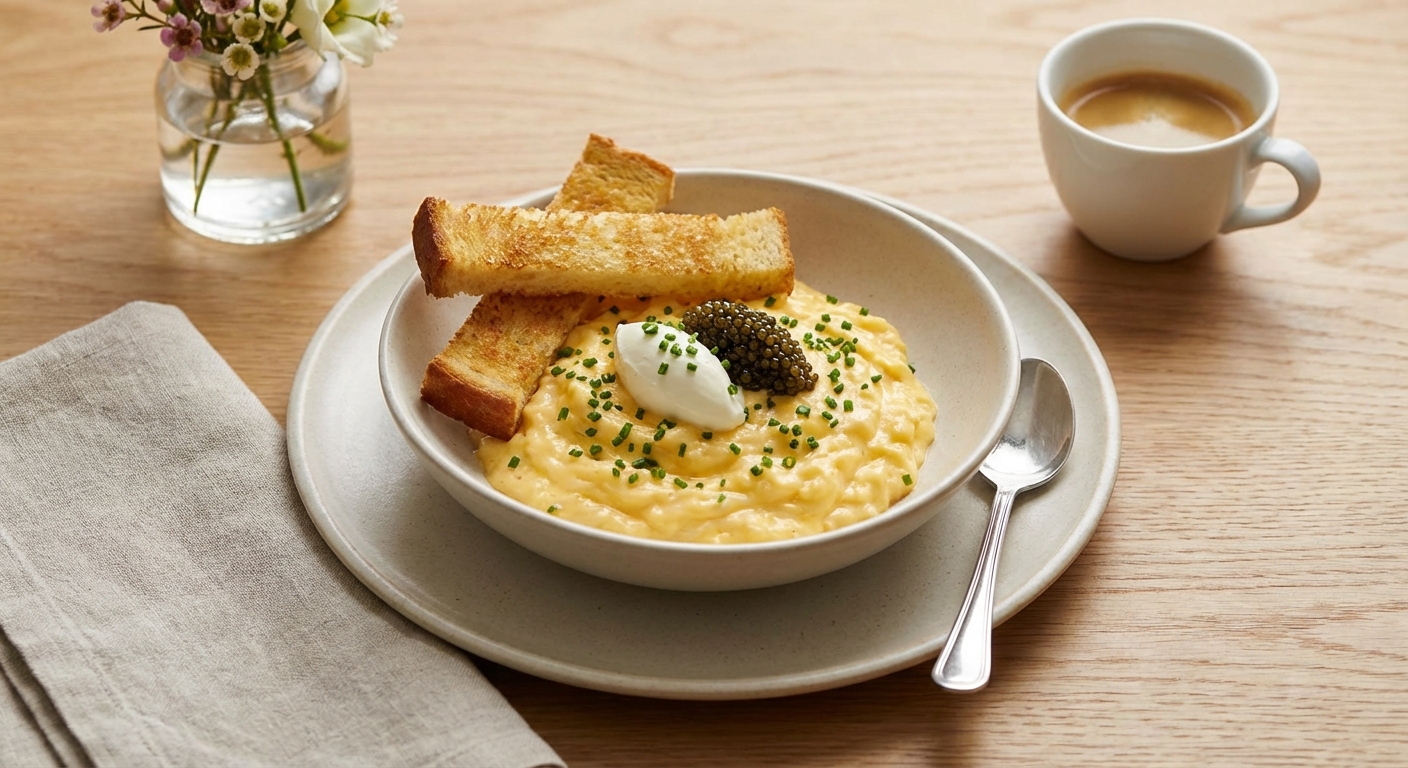
Restaurant-style Silky French Scrambled Eggs: a 15-minute, foolproof method for creamy, glossy eggs you’ll crave every morning.
Ready to cook?
Get the complete ingredient list, step-by-step instructions, and nutritional info
View Recipe →There’s something magical about a plate of eggs that tastes like it came from a chic Paris bistro, yet takes only a handful of minutes to make at home. My husband calls these “restaurant-style” silky French scrambled eggs, and I’m inclined to agree. The secret isn’t secret at all—it's technique, patience, and a few smart ingredients. This recipe, clocking in at about 15 minutes, transforms humble eggs into something generously custardy, glossy, and impossibly tender. It’s the kind of breakfast that makes you slow down, pour a cup of coffee, and savor each spoonful as much as the first bite of a croissant. I first perfected this method after a morning of hunting for a better texture than the rubbery, overcooked scramble I’d been serving for years. I started with a simple premise: gentle heat, constant stirring, and tiny bursts of butter folded in at just the right moments. The result? Curds that stay small and silky, a glossy sheen that clings to each strand of egg, and a flavor that feels luxurious without any fuss. The beauty of this technique is that it’s forgiving once you understand the rhythm. You don’t need a long list of fancy ingredients—just six eggs, a splash of whole milk, a pat of unsalted butter, a touch of salt and pepper, and a moment of calm in a warm pan. As you read through, you’ll see little "why" notes—the small nudges that explain why each step matters. If you’re a visual learner, imagine the soft, barely set curds forming while the pan stays cool, then the final kiss of butter that makes the texture velvety and the flavor bright. And if you’re curious about the ingredients themselves, you’ll find quick insights in the Ingredients Benefits section, along with easy links to learn more about each component. For now, gather your ingredients, set a timer for 15 minutes, and prepare to enjoy a breakfast that feels both timeless and utterly indulgent. If you’re curious where this fits in the broader world of home cooking, you can explore more ideas under the Delicious homemade category.
Each component in this recipe is chosen to build texture, flavor, and that enviable silkiness. Here’s how they contribute—and how you can think about them when you shop or adjust your kitchen lineup. If you want to explore any ingredient in more depth, you can click through to learn more: eggs, milk, butter, salt, black pepper, chives. - Large eggs (6 pieces) – Eggs are the backbone of the dish. Using large eggs helps ensure a consistent, rich yield. The gentle whisking you do before they hit the pan breaks down the yolk and white, which helps the eggs cook evenly and stay tender. If you swap in a smaller or larger egg, you’ll want to adjust the whisking time just a touch to keep that airy, cohesive mixture. - Whole milk (3 tablespoons) – A modest splash of milk loosens the curds and contributes to a silkier finished texture. It helps the steam and moisture carry through the eggs without diluting their flavor. If you’re dairy-free or want a lighter version, you can experiment with a splash of cream or a splash of plant-based milk, understanding that the texture may shift slightly. - Unsalted butter (2 tablespoons) – Butter creates the glossy, restaurant-plated look and adds a layer of richness that plain eggs don’t have. The recipe relies on butter for gentle emulsification, so it blends beautifully with the eggs as they cook. Using unsalted butter gives you control over the salt level later in the dish. - Fine sea salt (1/2 teaspoon total) – Salt is essential for highlighting the eggs’ sweetness and cutting through the richness. The initial salt in the whisk helps flavors bloom early, while finishing with the remaining salt right before serving ensures the seasoning stays bright without drawing out moisture as the eggs cook. - Freshly ground black pepper (1/4 teaspoon) – Pepper adds a gentle bite that lifts the eggs without overpowering their delicate flavor. Freshly ground pepper releases more aromatics than pre-ground varieties. - Optional fresh chives (for garnish, 1 tablespoon) – A bright, herbaceous note and a pop of color, chives contribute a freshness that contrasts beautifully with the eggs’ silkiness. If you don’t have chives, you can swap in parsley or a touch of crème fraîche for a different finish. Note that the optional creaminess boost at the end—folding in a bit of cold butter or a splash of cold milk off the heat—can be a game-changer if you’re chasing that extra silk. It’s a simple finish that emulsifies into the warm curds, giving shine and mouthfeel without risking overcook. If you’re curious about this optional step, you’ll see it described in the final optional note of the original method, and you can consider it your “chef’s secret” for a sleepier, more luxurious finish. As you plate, you’ll understand why this approach is celebrated in restaurants: it’s about discipline with the heat, restraint with the stirring, and a respect for the texture that makes every bite feel like a small, creamy celebration. For a moment, you’ll forget you’re at home and imagine a busy dining room where the plates leave the kitchen with a soft plume of steam and a sheen that hints at a perfect emulsion. The truth is simpler than a grand chef’s display: technique wins every time, and good eggs, properly heated and gently handled, will do most of the work for you. If you’re ever unsure about a step, return to the rhythm of low heat, continuous stirring, and the crucial moment you remove the pan while the eggs are just shy of set. If you’d like to see how these ingredients fit into a wider repertoire, check out the deliciously curated home-cook roster in the /category/delicious-homemade section, and keep a jar of chives on hand for a quick, bright finish at any future scramble.
Silky French scrambled eggs are versatile and pair beautifully with a range of breakfast or brunch accompaniments. Here are a few ideas to elevate the plate while staying true to the spirit of this technique:
Want to keep exploring? This recipe sits comfortably within the Delicious homemade category, where you’ll find other weeknight savers and weekend indulgences. And if you’re curious about building a repertoire of restaurant-inspired techniques, consider exploring other techniques and categories that ignite your cooking curiosity at /category/delicious-homemade. When you’re ready to create your own culinary experiments, you can start your journey here: Create your own recipes.
Freshly scrambled eggs are best enjoyed immediately, but you can refrigerate any leftovers for up to 1 day. Reheat gently over low heat with a light stir to bring back a little of the softness—though they won’t be quite as silky as the first serving. For best results, store in a shallow dish so they cool quickly and cover tightly to preserve moisture.
Yes and yes, with a few adjustments. If you’re cooking for more, use a larger pan and cook in batches so you maintain the low heat and gentle stirring. You can whisk the eggs with the milk ahead of time and refrigerate for up to 12 hours, but keep in mind that the texture will be most optimal when cooked fresh. If you do whisk ahead, give the mixture a quick whisk before pouring into the pan to re-incorporate any settled liquid.
If you need dairy-free options, you can try a dairy-free butter substitute and a splash of unsweetened plant milk. The texture and gloss may shift slightly, but the technique remains the same. You can also experiment with a small amount of crème fraîche or sour cream folded in at the end for a tangy, extra-rich finish. Salt and pepper can be adjusted according to taste, especially if you use salted butter.
Absolutely. Try a whisper of grated nutmeg or a pinch of saffron for a subtle, luxed-up aroma. Fold in finely chopped herbs like chives, chervil, or tarragon right before serving for a fresh lift. If you like a little heat, a tiny pinch of red pepper flakes folded in at the off-heat stage can surprise the palate in a good way.
Discover similar recipes you'll love