Introduction
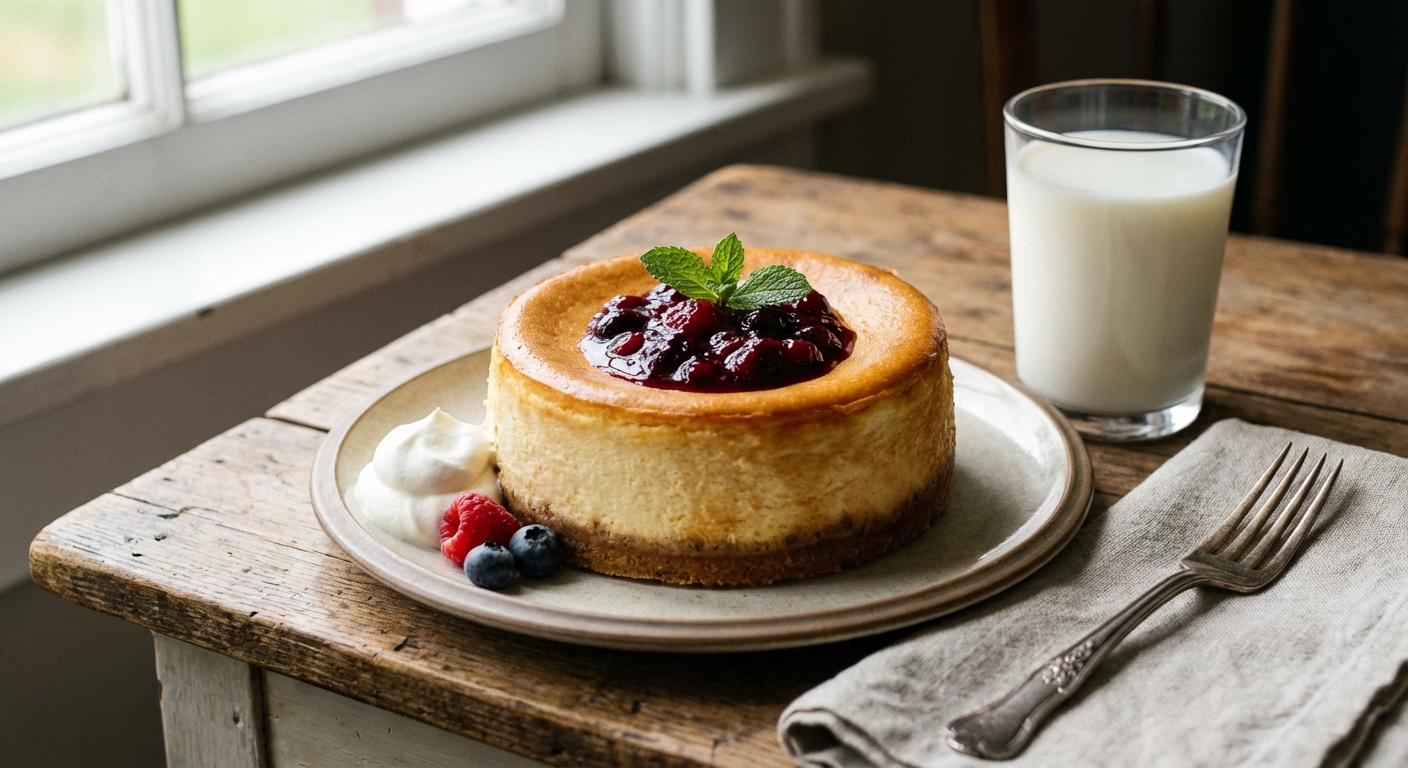
There’s something almost comforting about a New York–style cheesecake—the way a crisp, honeyed crust yields to a sumptuously creamy center. It’s the kind of dessert that demands a little patience, a quiet moment in the kitchen, and all the little rituals that turn a recipe into a memory. I’ve baked this version many times, and it never fails to evoke late-night strolls through the bright avenues of Manhattan, where the air smells faintly of toasted sugar and vanilla. The title—New York–Style Baked Cheesecake (with Milk)—isn’t just a marketing flourish; it signals a soft, milk-forward filling that stays tender and sliceable, even after a long chill. If you’ve ever wondered how to crack that signature “restaurant-smooth” texture, this recipe is a thoughtful teacher.
The beauty of this cheesecake lies in balance. The crust offers a toasted, honeyed backdrop that doesn’t overwhelm, while the filling brings richness without feeling heavy. It uses graham cracker crumbs for that familiar, crisp foundation, and a carefully orchestrated filling made with cream cheese, sour cream, a touch of whole milk, and a whisper of lemon to wake up the flavors. The method is precise but patient: a light, low-temperature bake, a controlled water bath, and a generous cooling period that lets the filling set into a velvety, sliceable dream.
As you’ll read below, this isn’t a dessert you rush. It’s a recipe that rewards timing—8–10 minutes of crust toasting, a 55–70 minute bake, a slow cool in the warm oven, and several hours in the fridge. The result is a cheesecake that holds its shape when plated, yet delivers a lush, almost cloud-like bite. And yes, you can dress it up with a berry compote, a drizzle of salted caramel, or a simple dusting of powdered sugar for a weeknight indulgence or a special occasion centerpiece. If you’re browsing through dessert ideas or exploring American classics, you’ll find this cheesecake nestled in categories worth bookmarking: Dessert, Baked, Cheesecake, and American recipes.
Ingredients Benefits
Understanding the role of each ingredient helps you appreciate why this cheesecake tastes so classic and why the texture stays so silky. Here’s a quick breakdown of the key players and how they contribute to the drama of every bite.
- Graham cracker crumbs for the crust provide a gentle sweetness and a crisp base. They’re combined with a little granulated sugar and salt to drive flavor, then bound with unsalted butter so the crust feels rich yet never greasy.
- Cream cheese, the star of the show, offers rich tang and a luxurious mouthfeel. Using full-fat cream cheese at room temperature ensures a smooth, lump-free batter that traps less air during mixing.
- Sour cream and milk in the filling soften the density of the cream cheese, lending a creamy, spreadable texture when fully chilled. The lemon juice adds brightness without souring the sweetness, so the filling feels fresh rather than heavy.
- Eggs provide structure. Going in one at a time and mixing just until incorporated helps keep air to a minimum, which is crucial for a crack-free surface.
- Cornstarch stabilizes the batter, helping it slice neatly while maintaining tenderness. It also gives a subtle, bakery-style body that won’t wobble too much as it cools.
- Vanilla extract and a touch of lemon juice brighten the filling and round out sweetness with nuance.
- Salt is the quiet enhancer that pulls everything together, both in the crust and filling. A pinch in the crust and a half teaspoon in the filling is the right balance for depth and contrast.
When you read the ingredient list, notice how each element plays a supporting role—the kind of teamwork that makes a recipe feel like a sanctuary in the kitchen rather than a race against the clock. For convenience, you’ll find these ingredients linked to deeper dives on my site if you want to learn more about substitutions, brands, or technique: cream cheese, sour cream, whole milk, lemon juice, cornstarch, vanilla extract, and eggs.
Expert Tips
Cheesecake is as much science as it is artistry. The following tips are the practical wisdom that help you avoid common pitfalls—cracking, sinking, or a muddy texture—and end up with a dessert that’s perfectly indulgent, every time.
- Prepare in advance: The crust comes together quickly, but the magic happens as the filling rests. Make the crust and bake it a bit early, then let the crust cool completely before filling. This gives you a firm base that won’t crumble when you slice later on.
- Temperature matters: Bring all dairy and eggs to room temperature before mixing. Room-temperature ingredients blend smoothly and reduce the risk of lumps and large air pockets. This is your secret to a glassy, seamless filling.
- Gentle mixing: Beat the cream cheese with sugar on medium-low until smooth, then add eggs one at a time, mixing just until incorporated after each addition. This keeps the batter dense rather than fluffy, preventing cracks.
- Strain for silk: After all ingredients are blended, pour the batter through a fine-mesh sieve into a clean bowl. Straining removes any tiny lumps or air bubbles, yielding an ultra-smooth, restaurant-worthy finish.
- Water bath wisdom: The bain-marie is your ally for an even bake and a creamier center. The water helps regulate heat and protects the batter from direct oven hot spots. Make sure the springform is well wrapped and seated in a larger pan with hot water coming halfway up the sides.
- Gentle bake and slow cool: Bake at 325°F (163°C) for 55–70 minutes, watching for a center that’s just slightly jiggly. Turning the oven off, then cracking the door for 30 minutes allows a gradual temperature drop that minimizes cracking.
- Patience to chill: A long chill—preferably overnight—lets flavors mellow and the texture set into the signature creamy, clean slices. This is not a dessert to rush; it rewards time.
- Finish beautifully: The topping is optional, but it elevates the presentation and adds a creamy contrast. Whisk 1/2 cup sour cream with 1 tablespoon sugar and 1/2 teaspoon vanilla, then spread gently over the cooled cheesecake. You can finish with a light dusting of powdered sugar or a berry compote for color and acidity balance.
Serving Suggestions
Serve this cheesecake a little chilled and show off the glow of its velvety center. Here are a few ideas to elevate the experience without overcomplicating the process:
- Bright berry topping: A quick berry compote (stewed blueberries or mixed berries with a touch of sugar and lemon zest) provides a tangy counterpoint to the richness.
- Salted caramel drizzle: A warm, glossy caramel can mirror the sweetness and create a decadent contrast with the cool filling.
- Powdered sugar or citrus zest: A delicate dusting or a light shaving of lemon zest adds a modern, restaurant-worthy finish.
- Pairing: A strong espresso or a late-harvest iced tea complements the density of the slice and keeps the palate refreshed between bites.
- Slicing technique: Run a sharp knife dipped in hot water along the edge of the pan before each cut, wiping dry between slices. This ensures clean lines and prevents tearing, especially through the delicate center.
If you’re curious about the flavor profile and how it pairs with other repertoire from the site, you’ll find that this cheesecake sits nicely alongside other American classics in the American catalog, as well as other baked desserts in Baked or the broader dessert family in Dessert.
FAQ
Here are answers to a few common questions I hear from home bakers who are trying this recipe for the first time—or after a few tweaks of their own.
- How long does this cheesecake last in the refrigerator? It will stay creamy and delicious for up to 4–5 days when tightly covered. The surface may lose a little of its sheen after 2–3 days, so plan to cut and serve within the first half of the week for best texture.
- Can I make this ahead or freeze it? Yes. You can bake the cheesecake and chill it overnight, then top it right before serving. For freezing, wrap the cooled cheesecake tightly in plastic wrap and then foil; it will hold well for up to 1 month. Thaw overnight in the refrigerator before serving.
- What substitutions work well? If you need a dairy-free version, you can experiment with dairy-free cream cheese and a non-dairy sour substitute, but expect a slight shift in texture. If lemon is not your style, a touch of orange zest can provide a similar brightness. For crust, you can swap in digestive biscuits or almond cookies if you prefer a nuttier, sweeter crust—but keep the butter amount the same for binding.
- Can I adjust the bake time for a deeper or lighter center? The center should wobble slightly when you remove it from the oven; it will continue to set as it cools. If your oven runs hot, start checking around the 55-minute mark and look for a center that’s just barely jiggle-y. If you prefer a firmer center, bake a bit longer, but avoid overbaking to prevent cracking.
If you’re inspired to experiment with more bakery-style cheesecakes or other classic American desserts, I’d love to hear your twists. And if you’re ready to dive into more recipes that spark joy in the kitchen, explore and create your own in our recipe world: create.