Introduction
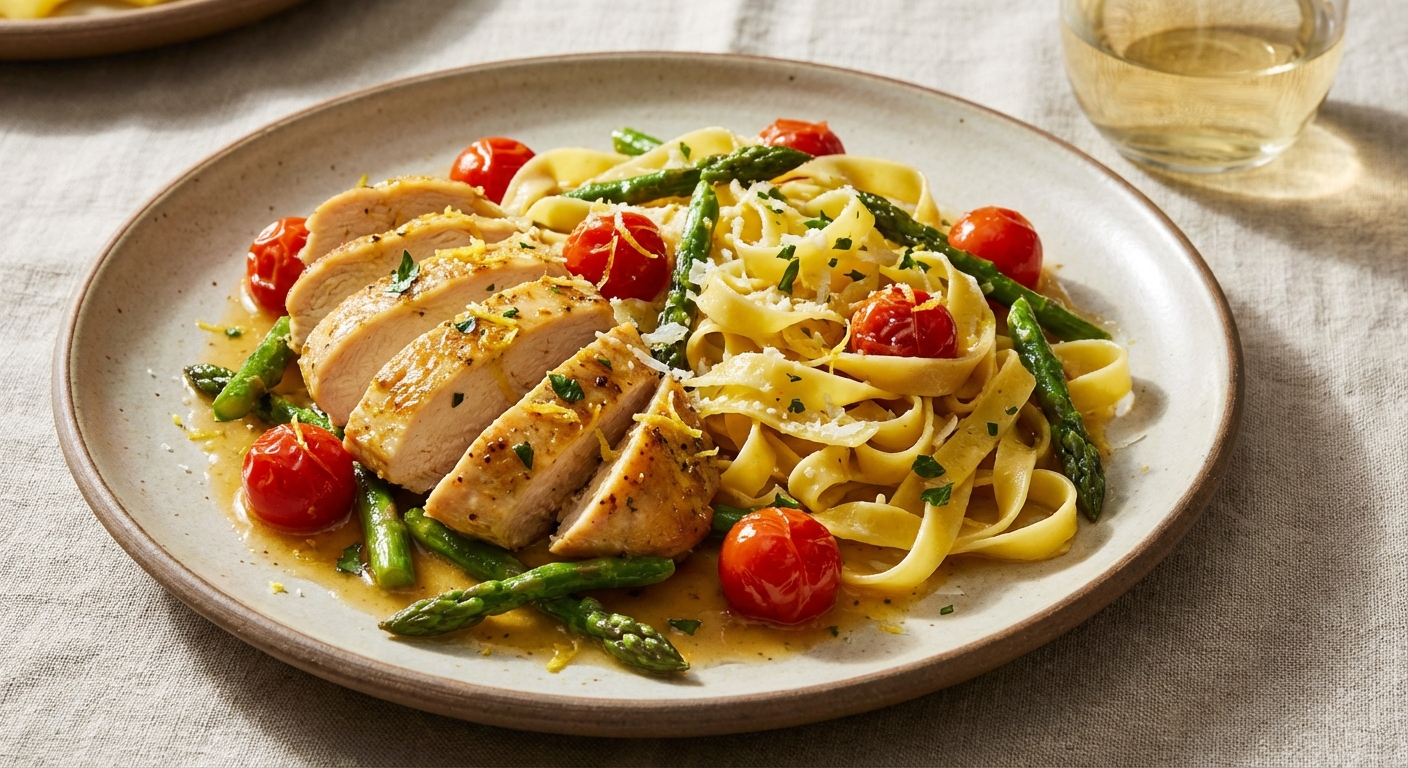
I’ve learned that the best weeknight dinners aren’t just about speed—they’re about texture, aroma, and a bright balance of flavors that leave you with a little glow after the first bite. This Lemon-Garlic Olive Oil Chicken Pasta is my current go-to. It starts with a quick sear that crisps the chicken into delicious crusts, then builds a luminous sauce in the same skillet with garlic, onion, and a splash of chicken broth. A handful of lemon zests and juice punch up the brightness, while a kiss of butter and a shower of parmesan finish the sauce with a glossy, clinging emulsion. All of this happens in roughly 35 minutes, which means you’re plated and savoring in the same breath you start cooking. If you love comforting, bright, and weeknight-friendly meals, this recipe is a keeper. It’s also a prime example of how everyday ingredients—I’m talking about pantry staples like olive oil, garlic, lemon, and Parmesan—can come together to create something that feels elevated without requiring a long shopping list or a culinary degree. You can find more delicious ideas in my Delicious homemade collection, where each recipe is designed to celebrate flavor without fuss.
As you read through the steps, you’ll notice I’m a fan of layering flavor and coordinating texture. The chicken breasts get a dry pat and a generous crust—browning is flavor magic, thanks to the Maillard reaction. The pasta finishes cooking in a quick, slightly underdone state so it can finish its journey in the sauce, soaking up every last nuance. And the finish—Parmesan melting in, parsley adding color, a final swirl of olive oil—creates a sauce that clings to every strand of pasta like a well-told story clings to the margins of your day. This dish is as satisfying as it is simple, and it scales beautifully if you’ve got guests, a craving for comfort, or simply a pantry-friendly dinner you can whip up on a Tuesday night.
Ingredients Benefits
Here’s a quick tour of the key players in this bright, cozy dish and why they matter. I’ve linked to the ingredient pages so you can read more about each component and how to choose the best version for your kitchen.
- Dry pasta (spaghetti or linguine): 12 oz. The type of pasta matters less than its ability to hold onto sauce. Long, slender noodles give you lovely, twirl-worthy bites that capture every bit of garlic, lemon, and oil.
- Boneless skinless chicken breasts: 1 lb. Sliced into uniform strips, they brown quickly and evenly, which is crucial for that flavorful crust and juicy interior.
- Extra-virgin olive oil: 4 tbsp. The backbone of the dish, providing richness and a fruity note that harmonizes with garlic and lemon alike.
- Unsalted butter: 2 tbsp. A touch at the end helps emulsify the sauce for that satin-y finish you want in a glossy, restaurant-worthy finish.
- Garlic cloves, minced: 4 cloves. Aromatic and punchy, garlic makes the sauce come alive. Don’t rush the moment—give it a quick 30–45 seconds to release its perfume without burning.
- Small yellow onion, finely diced: 1 small. Onion adds sweetness that deepens the sauce, especially when it sweats in olive oil and butter.
- Low-sodium chicken broth: 1/2 cup. A small splash to lift the fond, deglaze the pan, and form a light savory base for the sauce.
- Fresh lemon (zest and juice): 1 whole. The lemon brightens every component, cutting fat and tying the dish together with a clean, sunny finish.
- Grated Parmesan cheese: 1/2 cup. Adds a salty, umami depth that rounds out the acidity and oil.
- Red pepper flakes: 1/4 tsp. For a gentle warmth that wakes up the palate without overwhelming the lemony balance.
- Fresh parsley: 2 tbsp, chopped. A final green pop for color and a fresh, herbal note that brightens every bite.
If you’re dairy-free, you can skip the butter and cheese at the end and rely on the olive oil, lemon, and a touch more pasta water to emulsify the sauce. For a vegan twist, you can swap in a plant-based butter substitute and nutritional yeast to mimic the cheesy finish, though I recommend keeping the lemon as the star to preserve brightness. This recipe also plays well with variations—consider adding capers for a briny bite or a handful of spinach for color and nutrition. The key is to taste as you go and let the lemon do the balancing act, especially after you’ve created that glossy, emulsified sauce. If you want more ideas on ingredient substitutions, you can explore other posts in the same category: Delicious homemade.
Expert Tips
Great cooking is a collection of little, deliberate decisions. Here are some tips I keep handy when I want this dish to perform at its best, every single time.
- Prep in advance, but cook fresh: Have your chicken sliced and seasoned before you start boiling water. That way, you can push the finely tuned heat management, searing the chicken in a single layer and moving quickly to the sauce steps.
- Brown, don’t steam: The chicken should cook in a single layer with space between pieces. Crowding lowers the heat and steams the surface rather than browns it, hindering that crucial crust.
- Layer flavors in stages: Sweat the onion first to build sweetness, then release the garlic and red pepper flakes just until fragrant. This prevents garlic from burning and muting its aroma.
- Deglaze to collect fond: After the onion and garlic, pour in the chicken broth to lift all those golden brown bits off the pan. Those browned bits are concentrated flavor—don’t skip them.
- The emulsification magic: Reserve a cup of pasta water. When you return the pasta to the pan, add about half a cup of that starchy water with the butter and Parmesan. Toss vigorously; the starch will emulsify the fat and oil into a glossy, clingy sauce.
- Finish with a fresh lift: Off the heat, stir in Parmesan and parsley; season to taste. Resting a moment off heat prevents clumping and helps create a creamy sauce without excessive cheese processing.
- Time discipline matters: This dish shines most when you undercook the pasta by 1–2 minutes and finish it in the sauce. It absorbs flavor without turning mushy, and you’ll notice a brighter sauce in every bite.
- Adaptability: If you prefer, try a splash of white wine in place of half the broth for a bit more tang, or add a handful of spinach to brighten the dish in a rush.
Serving Suggestions
Serve this pasta hot with a final flourish of fresh parsley and an optional extra drizzle of good olive oil. I like to plate the dish in warmed bowls to keep the sauce from cooling too quickly, letting each bite stay creamy and cohesive. Here are a few ideas to elevate the meal:
- Pair with a simple side salad—romaine, cucumber, and cherry tomatoes with a lemon vinaigrette echo the citrusy theme.
- Add a crusty loaf of bread for sopping up every drop of olive-oil-garlic sauce. A sprinkle of flaky salt just before serving makes those edges sing.
- If you’re serving guests, consider a light dessert like lemon sorbet or a fresh fruit plate to echo the lemon brightness without weighing down the palate.
- Wine pairing: A crisp white, like Sauvignon Blanc or Pinot Grigio, complements the lemon and garlic without overpowering the delicate chicken texture.
- Make it a family-style feast: scale up the ingredients for a larger group, or keep it intimate with fewer portions and a couple of extra spoons of sauce to toss through.
For more hearty flavors and comforting ideas, explore more recipes in the same category: Delicious homemade.
FAQ
Here are a few questions I’m often asked about this dish, plus practical answers to help you perfection-seekers out there.
- How long does this dish keep? Leftovers will keep well in an airtight container in the refrigerator for up to 3 days. Reheat gently on the stove with a splash of water or broth to loosen the sauce and restore gloss. The texture of the chicken remains tender, though it may loosen up a touch after reheating.
- Can I make this ahead? This dish is best enjoyed fresh, when the sauce is at its most emulsified and the pasta is perfectly coated. You can prep the chicken and chop the onion ahead of time, but assemble and finish the dish just before serving for optimal texture and brightness.
- What substitutions work? Swap in gluten-free pasta if needed, or use butter substitutes if dairy is a concern. For dairy-free options, skip the Parmesan and add a touch more olive oil and lemon, or use a dairy-free cheese alternative if desired. You can also substitute white wine for the broth for a slightly different aroma and acidity.
- Can I make this vegan? Yes, you can use olive oil as the base and swap in plant-based protein. A bright lemon-garlic sauce still works with roasted chickpeas or sautéed mushrooms, paired with gluten-free pasta if you prefer.
Whether you’re cooking for one or feeding a hungry crowd, this dish delivers comfort with a bright, modern twist. If you’ve loved reading about the process as much as you love tasting the end result, I’d love to see your twists and tweaks. And if you’re itching to design your own recipes, why not start your next culinary adventure at our create page—I can’t wait to see what you dream up.
Ready to dive into more kitchen experiments? Explore your own flavor map, gather a handful of pantry heroes, and begin crafting your next delicious plate today. And if you enjoyed this post, feel free to bookmark a few of the ingredient ideas and keep exploring more in the same savory vein within Delicious homemade.