Introduction
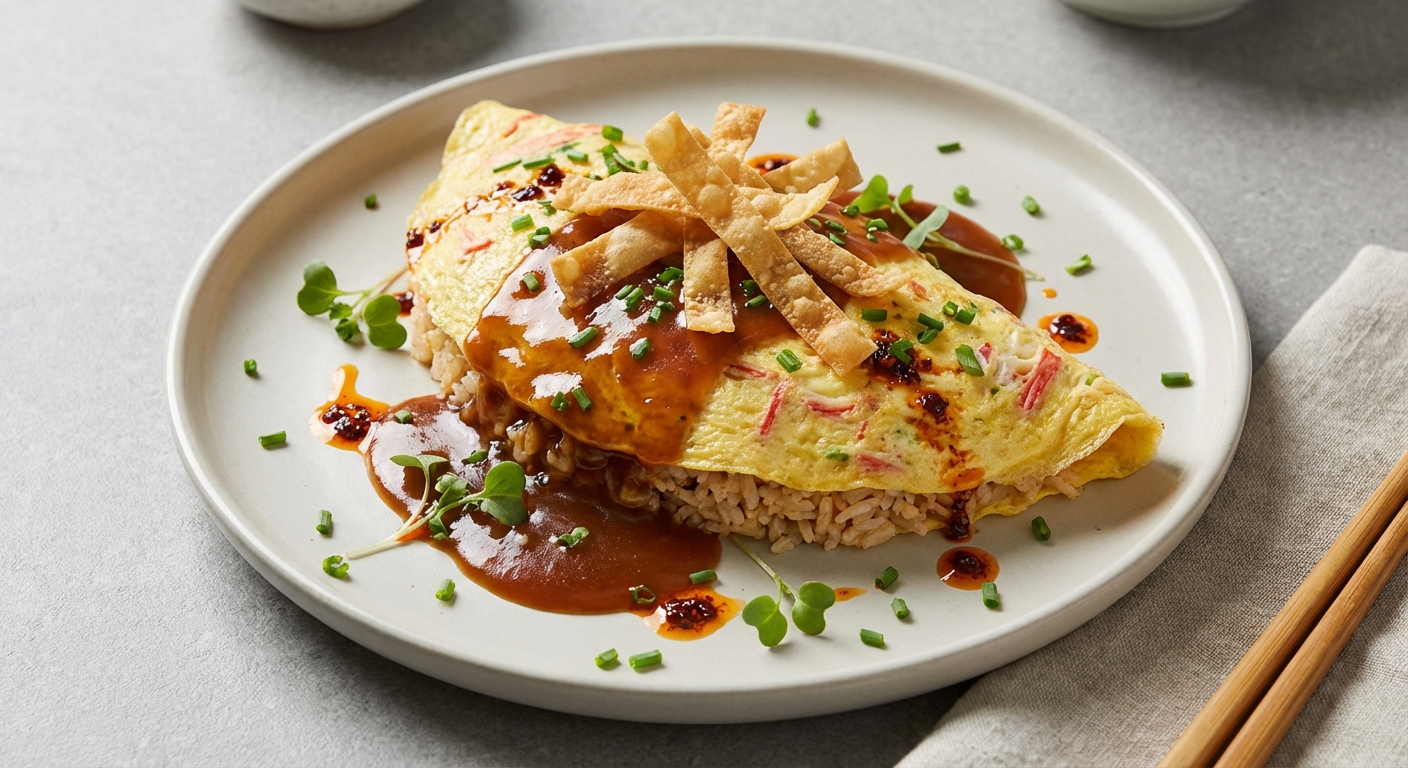
It happened on a weeknight that I was craving something cozy, bright, and just a touch indulgent. The kind of dish that wraps you in a warm, savory hug as the clock ticks toward bedtime. That’s how Crab Omurice with Crispy Wonton Garnish came to be in my kitchen: a playful fusion of Japanese technique and Western pantry staples, turned into a weeknight hero. The recipe calls for imitation crab—friendly on a budget and accessible to home cooks everywhere—plus a velvet-thin omelette that envelopes a savory, ketchup-kissed fried rice. And let’s not skip the crispy wonton shards perched on top, adding a crack of texture that makes every bite a little celebration. If you’re scrolling through the Delicious homemade category, you’re in good company—this dish fits perfectly among comfort-food triumphs you can master in under an hour and a half with nothing fussy or faddish.
As I walk you through this recipe, I’ll share not just the steps, but the why behind each choice. You’ll see how the cooked white rice is the stage, how chicken breast browning deepens the flavor, and why the omelette skins—so delicate and glossy—need a gentle hand. There’s also a chance to play with textures: the silken eggs folded around hot, saucy rice, and the crunchy, golden shards of crispy wonton that provide a surprising contrast. If you’re new to omurice, think of it as a little edible theatre: the soft curtain of egg, the vibrant center of seasoned rice, and the final flourish of crunch and cheese.
Ready to dive in? Below you’ll find the core ingredients and their benefits, expert tips to keep everything glossy and flavorful, serving ideas that dress the dish up for guests or keep it simple for weeknights, and a quick FAQ to cover common variations. This recipe is part of the Delicious homemade repertoire, a reminder that great flavors can come from a well-tended skillet and a handful of pantry staples.
Ingredients Benefits
Here are the key players in Crab Omurice and why they matter. Each ingredient contributes a specific texture or flavor note that, when combined, elevates a simple fried-rice style dish into something memorable. I’ve included quick notes on how to think about substitutions if you don’t have something on hand, and I’ve linked to the ingredient pages so you can explore more about each component.
- Cooked white rice (short- or medium-grain): 4 cups. The base that carries the seasonings and the sauce. Use rice that’s hot or at room temperature so it bakes up in the pan without turning gummy.
- Eggs (6, with 2 reserved for omelettes): A balance of protein and silkiness. The 2 whole eggs set aside ensure you can build four thin omelette skins with a tender, custardy texture.
- Imitation crab (surimi), shredded or chopped: 10 oz. Brings a sweet, ocean-kissed flavor without the price tag of real crab. It hydrates quickly in the pan and plays nicely with ketchup-based seasoning.
- Chicken breast, small dice: 8 oz. Adds a meaty bite and a touch of browning flavor from the Maillard reaction.
- Unsalted butter: 2 tbsp. Renders richness and helps the omelette skins glide in the pan.
- Vegetable oil (or neutral oil): 2 tbsp. A neutral fat to sizzle the aromatics and help the rice fry without overpowering flavors.
- Onion, finely diced: 1 medium. Sautéed until translucent and slightly golden to balance the tang of ketchup with sweetness.
- Garlic, minced: 2 cloves. A quick kiss of aroma that boosts the overall savor.
- Ketchup: 4 tbsp. The signature omurice sauce base—sweet, tangy, and a bit glossy when it caramelizes with the rice.
- Soy sauce: 1 tbsp. Depth and a gentle saltiness that ties the dish together.
- Tomato, diced: 1 medium. Adds brightness and a pop of color, plus a touch of acidity to brighten the richness.
- Cheddar cheese, finely shredded: 1/2 cup. Melts through the rice to create pockets of depth and a melty finish inside the omelette.
- Wonton wrappers: 8 wrappers. The crispy garnish is the surprise crunch that makes this dish stand out.
Tip: if you’d like to lean on lower fat or gluten considerations, you can bake the wonton shards instead of deep-frying them (see the recipe note in step 2). And if you’re aiming for a lighter finish, substitute light cheddar or a lactose-free option and keep the eggs soft and fluid for the omelette skins.
Expert Tips
These little pointers helped me dial in texture and balance, so the omelette stays tender while the rice stays flavorful. Treat this as a toolkit rather than a rigid set of rules, and you’ll be rewarded with a glossy, restaurant-like finish at home.
- Mise en place matters. Have all components prepped and measured before you start the stir-fry. It’s a fast dish, and you’ll want the rice ready to sizzle when the aromatics hit the pan.
- Brown the chicken for depth. A quick sear in a hot pan gives you that caramelized edge without overcooking the meat. Remove and set aside to keep it juicy.
- Don’t overcook the crab. It only needs a minute or two in the aromatics to hydrate and release its flavor without getting tough.
- Caramelize, not burn. When you add ketchup and soy, give it a moment to sizzle and darken slightly. This deepens the sweet-tangy profile and prevents a flat taste.
- Wonton garnish: fat, then crisp. Fry in hot oil until blistered and golden, 30–60 seconds per batch. If you’d rather bake, set the oven to 180°C/350°F and bake 8–10 minutes until crisp.
- Omelette skins deserve patience. Use a medium-low heat and swirl the batter to form a thin, even layer. Cook just until the surface is set but still glossy—it yields a pliable wrap that envelopes the rice without breaking.
- Cheddar velvety pockets. Off the heat, fold in shredded cheddar so it melts gently into the hot rice, creating pockets of creamy cheese without overwhelming the dish.
- Keep the rice warm, but not sticky. If you’re not serving immediately, cover the pan off heat with a clean towel to retain moisture without creating a soggy texture.
Serving Suggestions
Presentation matters, and omurice is a canvass for plating drama with minimal effort. Here are a few ways to elevate the experience while keeping the kitchen accessible.
- Plate with purpose. Scoop about 1 cup of the fried rice into an oval mound on a warmed plate. The shape helps the omelette land as a neat, velvet envelope around the center.
- The soft envelope. Quickly slide the thin omelette from the pan over the mound, folding the edges underneath to enclose the rice. The goal is a supple, flexible layer—think satin rather than leather.
- Texture topcoat. Scatter crispy wonton shards over the top, with a few extra flosses of shredded imitation crab for color. A small pat of butter melts on contact for a glossy finish.
- Finish with a kiss of color. A light drizzle of ketchup or demi-glace along the top is optional but delicious, especially if you’re serving for guests who love a little extra glaze.
- Make-ahead, then reheat carefully. If you need to assemble in advance, keep the fried rice and omelette components separate and reassemble just before serving to preserve texture. The omelette should be warmed gently, or it will firm up and lose its velvet texture.
- Pairing ideas. A crisp cucumber salad, pickled ginger, or a light miso soup can frame the omurice without competing with its flavors.
FAQ
Here are some quick answers to common questions that come up when people start cooking this dish at home. If you’re curious about a detail not listed here, drop a note in the comments and I’ll tailor the guidance to your kitchen.
- How long does this keep in the fridge, and how should I reheat? Leftover fried rice will keep 1–2 days in the refrigerator. Reheat gently on the stove or in the microwave at 50% power, then reassemble with a fresh omelette skin if you’re reheating the whole dish. The texture is best when assembled fresh, but you can still enjoy leftovers with a little patience.
- Can I make this ahead? You can prep the components in advance (rice, chicken, onions, and the crab mixture), then assemble the omelette skins just before serving. If you’re short on time, you can also fry the wonton garnish ahead of time and store in an airtight container; re-crisp briefly before serving.
- What substitutions work well? Real crab can be substituted for imitation crab if you’re aiming for a more luxurious finish, and other proteins like diced shrimp or ground turkey can work in a pinch. For a vegetarian version, use well-seasoned mushrooms or hearts of palm in place of the meat, and consider a plant-based cheese alternative.
- Is this dish gluten-free? The basic recipe uses soy sauce, which contains gluten unless you choose a gluten-free soy sauce. If you need a gluten-free version, swap in tamari or certified gluten-free soy sauce and ensure all other ingredients are gluten-free (some brands of wonton wrappers contain gluten, so you may need to use rice paper or omit them).
Feeling inspired? If you’d like to explore more of my recipes and the stories behind them, I invite you to explore and create your own culinary adventures. Start experimenting with your pantry, and when you’re ready to craft something new, the world of possibilities is just a click away at Create.