Introduction
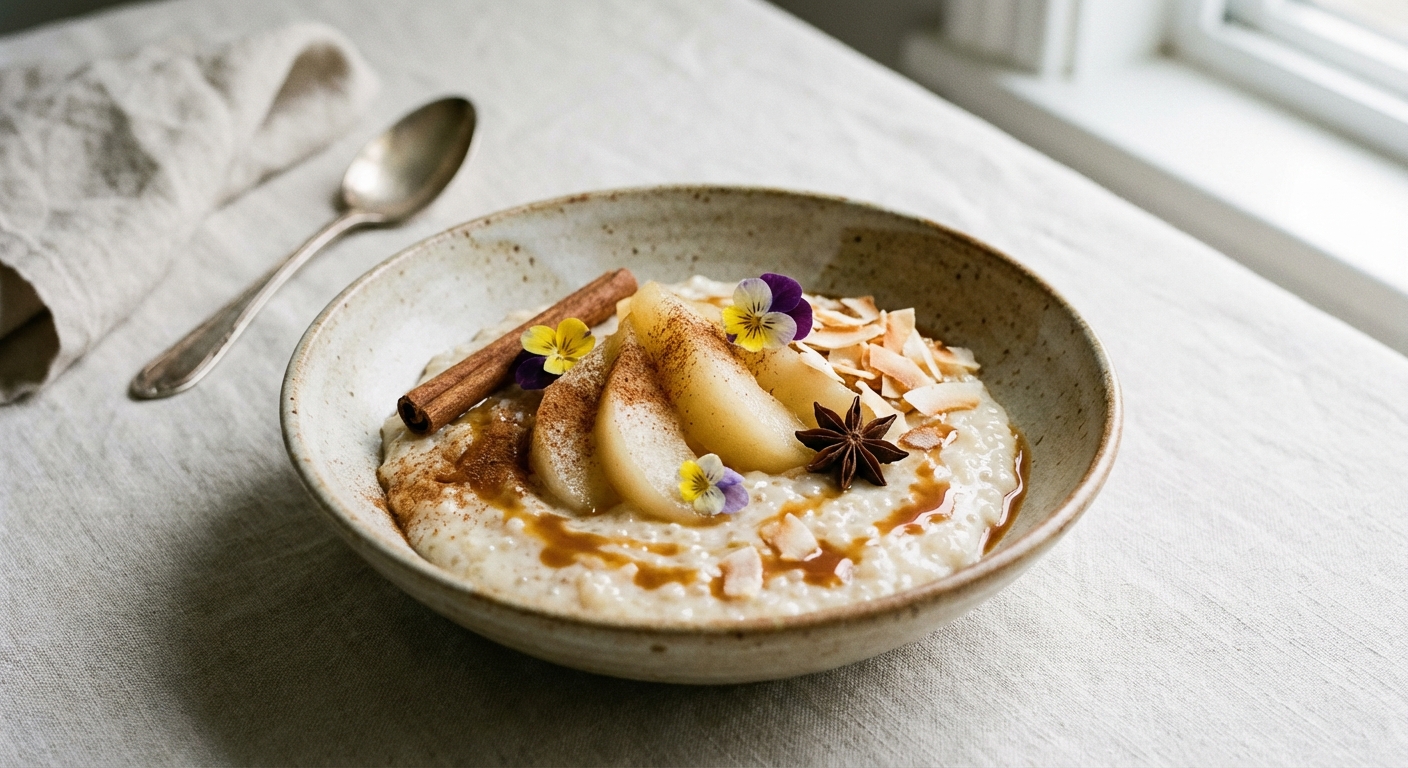
There’s something almost nostalgic about a warm bowl of tapioca pudding coaxed into velvet-soft creaminess, especially when it’s infused with spice and crowned with bright, crisp fruit. Cinnamon-Infused Asian Pear Tapioca Pudding is my latest favorite comfort-dish revelation: a dish that starts with the humble tapioca pearl and ends with a dessert that feels timeless, yet wonderfully contemporary. I first encountered a version of this pudding at a small family bakery, where the windows fogged up with cinnamon-scented air and the kitchen hummed with a quiet, devoted rhythm. Since then, I’ve carried that memory into my own kitchen, swapping in Asian pears for a fragrant, fruit-forward note and giving the starch a patient, respectful simmer that yields pearls with a delicate translucent glow and a soft, almost custardy center. If you’re looking for a dessert that satisfies both the spoon-stopping cravings and the need for a touch of elegance, this recipe checks every box.
Timewise, you’re looking at about an hour from start to finish. But there’s a lot of payoff for the patient cook: the way the tapioca pearls soak and then bloom in the cinnamon-steeped dairy, the slow pour of warm milk turning silky, and the way the pears are poached right in the pudding so they soak in aroma without turning mushy. This isn’t a rushed dessert; it’s a small ceremony—the kind of dish that invites you to slow down, breathe in the scent of cinnamon, and savor a texture that’s somewhere between risotto and custard, with pear brightness cutting through the richness."
In the spirit of the Delicious homemade ethos, I’ve kept the ingredient list readable and the technique approachable. You’ll find a careful balance of dairy, sugar, and spice, punctuated by the tang of lemon and the caramel-like finish of browned butter if you choose to gild the lily at the end. The result is a dessert that feels special enough for guests, but friendly enough to make on a weeknight when you crave something comforting yet sophisticated.
Ingredients Benefits
Understanding why this recipe works helps you appreciate the little choices that make a big difference. Here are the star players and what they bring to the pot:
- Tapioca pearls (150 g dry) provide the signature chew and a glossy, pudding-like body as they swell. Soaking first shortens the simmer and ensures an even center.
- Whole milk and heavy cream create a rich, creamy base that carries the cinnamon without becoming cloying. The balance between dairy fat and protein gives enough body for the pearls to gleam with translucence.
- Sugar (granulated, 1/2 cup) rounds out dairy sweetness and helps the pearls release their starch, producing that familiar, gently thickened texture.
- Asian pears bring a crisp bite and a fragrant sweetness. Their aroma complements the spice and cuts through the dairy’s richness, offering a bright counterpoint to the pudding’s creamy heart.
- Unsalted butter finishes the base with a gloss and a soft depth—essential for a polished mouthfeel.
- Cinnamon in two forms—two sticks during infusion and a dusting at the end—creates a warm, layered aroma that evolves as the pudding rests.
- Vanilla extract brings depth and lifts the pear’s fragrance, tying the dairy sweetness to the spice.
- Fresh lemon juice brightens the fruit and helps prevent browning of the pears, while adding a subtle acidity to balance the pudding’s sweetness.
- A pinch of kosher salt
Expert Tips
Wonderful desserts aren’t just about following steps; they’re about understanding the little decisions that shape texture and aroma. Here are my best tips to nail this recipe on your first try—and still have leftovers to savor the next day.
- Soak tapioca pearls as directed. Soaking the dry pearls in cool water for about 30 minutes helps them hydrate so they cook through evenly, with less risk of a chalky center. Use the soaking liquid in the pot later to infuse extra flavor and help the pearls finish with the right tenderness.
- Warm the dairy gently. Heating the milk and cream to steaming (not boiling) preserves the silkiness of the fat and ensures the spices release slowly into the mixture. A gentle simmer prevents scorching and keeps the dairy from breaking.
- Stir frequently, but with a purpose. When you add the soaked tapioca and its soaking liquid, keep the heat at medium-low and stir often. This prevents the pearls from clumping and helps them reach that preferred translucent-with-a-dimpled-center stage.
- Watch the texture and adjust gradually. Tapioca thickens as it cooks and as it sits; if your mixture thickens too fast, stir in a little warm milk a tablespoon at a time. If you want a looser pudding, add milk, not water, to maintain flavor balance.
- Poach pears gently. Nestling the lemon-brightened pear slices into the warm pudding for just 3–4 minutes lets them absorb the spice-infused custard without turning mushy. You want them tender but still distinct.
- Finish with butter and vanilla off the heat. This adds a glossy mouthfeel and lifts the nutty edge of the cinnamon. It also helps harmonize the dairy and fruit notes as the pudding cools.
- Make-ahead nuance. If you’re planning to serve this as a set dessert, you can cook the base, finish it, and refrigerate, then add pears and rewarm gently before serving. The flavors meld even more after a rest.
- Dairy-free option. If you’re avoiding dairy, swap in a rich non-dairy milk blend (like almond milk with a splash of coconut cream) and omit the butter, or use a dairy-free butter substitute. Expect a slightly lighter mouthfeel, with a touch less gloss.
Serving Suggestions
There are two great ways to present this pudding, depending on the mood and the occasion. Both are delicious and faithful to the same core flavors.
- Warm, cozy serving: Ladle the pudding into warm ramekins, dust with 1/2 teaspoon ground cinnamon, and crown with a few pear slices. A light drizzle of browned butter adds a nutty depth that’s hard to resist. If you like a little extra flair, grate a touch of zest from a lemon over the surface for a bright finish. You can tie this presentation to your table setting or dessert course by pairing the cinnamon’s aroma with a mug of cinnamon-spiced tea.
- Cool and set dessert: Let the pudding cool to room temperature, then chill, covered, for at least 2 hours. The tapioca firms slightly as it chills, enhancing the textural contrast with the poached pears. Just before serving, dust with a final touch of ground cinnamon and add a slim pear slice for garnish. This version is ideal for a dinner party or a Sunday afternoon gathering where you want a dessert that feels refined but not fussy.
When you’re ready to plate, consider these optional garnishes for texture and a little Asian-inspired nuance: a whisper of toasted sesame seeds for a subtle crunch, or a thin slice of fresh Asian pear for a visual echo of the fruit’s presence. These finishes are small touches, but they elevate the dish and make your plating feel intentional.
For those who want a cross-cultural finish, you can pair this pudding with a sesame-kissed browned butter drizzle. It’s a playful nod to east-meets-west flavors that makes the dessert feel modern and exciting. Try it on a quiet weekend; you’ll find yourself coming back to it again and again.
FAQ
Here are a few quick answers to common questions that home cooks ask about this recipe. If you have more, drop a comment and I’ll tailor guidance to your pantry and taste preferences.
- How long does it keep in the fridge? The set pudding will keep well for 3–4 days in an airtight container. The texture will firm slightly as it rests, which many people actually prefer. If you reheat, do so gently over low heat or in a water bath to preserve the creaminess.
- Can I make this ahead? You can cook the base a day in advance and refrigerate. Reheat gently and add the poached pears just before serving to keep their shape and color bright. If you want to go even further ahead, you can prep the lemon-treated pears ahead of time (toss with lemon juice) and store them in the fridge until you’re ready to poach them in the warm pudding.
- Substitutions for dietary needs? For a dairy-free version, use a rich plant-based milk blend (like almond milk with a splash of coconut cream) and skip the butter or replace with a dairy-free butter substitute. For a lower-sugar option, reduce sugar by a few tablespoons and let the pears’ natural sweetness do some of the work; you may want to compensate with a touch of vanilla to keep the aroma bright.
- Can I use other fruit? Pears lend a unique texture and aroma, but you can experiment with firm apples (like Honeycrisp) or even ripe peaches if you’re careful with cooking times. The key is choosing fruit that holds shape and offers a balance of sweetness and acidity to counter the pudding’s richness.
Whether you serve it warm straight from the stovetop or chilled for a clean, spoonable finish, Cinnamon-Infused Asian Pear Tapioca Pudding invites you to savor how simple ingredients, measured technique, and a touch of spice can come together to create something truly comforting. If you’re cooking along, I’d love to hear how your version turns out and what little tweaks you made to make it your own.
Ready to start creating more of your own desserts? Explore more recipes and ideas in our growing collection, and don’t forget to visit the Delicious homemade index to discover other cozy, chef-inspired treats.
Feeling inspired to build your own kitchen experiments? Head to create and start planning your next culinary adventure. Happy cooking!