Introduction
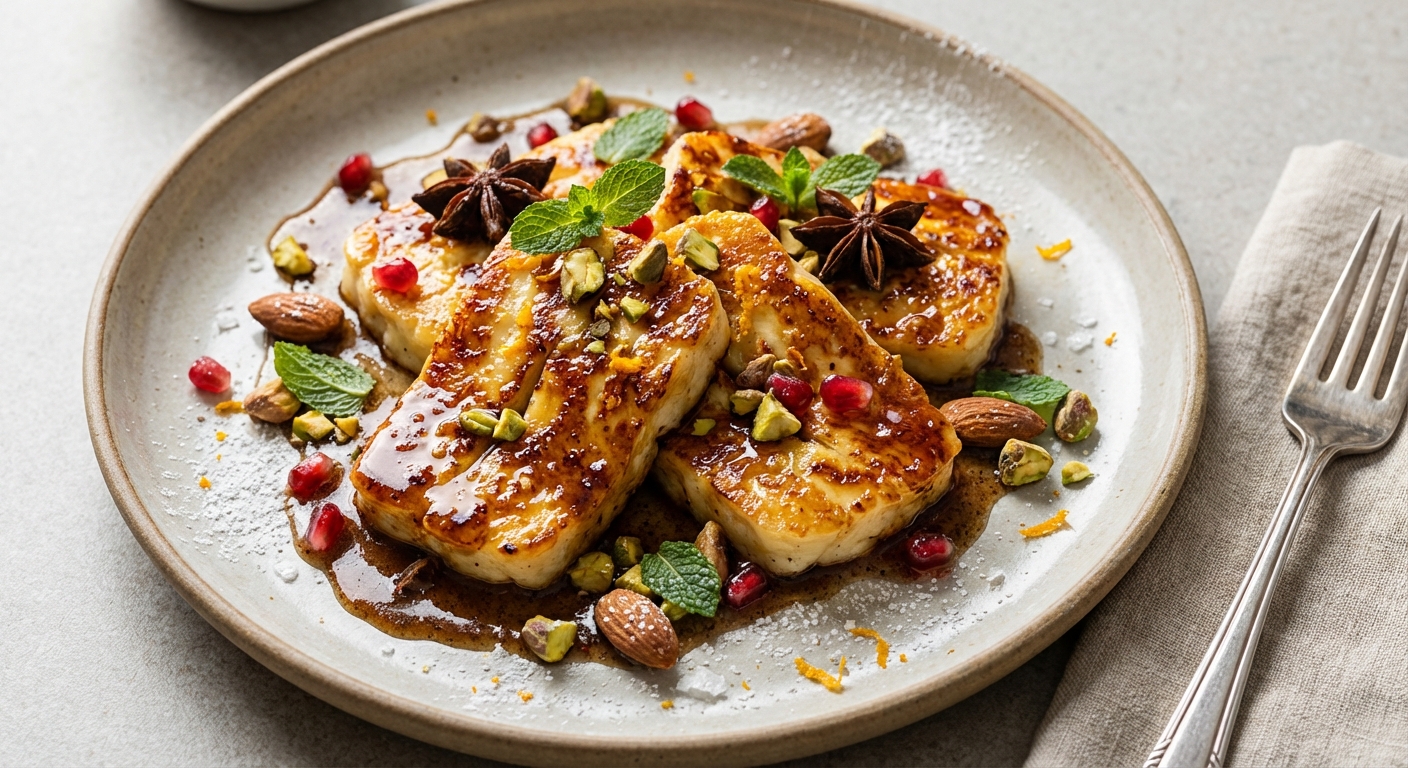
There’s something magical about turning humble pantry staples into a dessert you can’t stop thinking about. I first tasted a version of caramelized halloumi in a sun-drenched Mediterranean market, where the air carried a kiss of salt from the sea and the scent of cinnamon drifted from a nearby stall. The idea seemed bold at first: cheese for dessert, sugar for crunch, brown butter for depth. And yet, when the pan hit the heat, the kitchen transformed into a small theater of flavor. The halloumi takes on a golden crust, a crisp caramel shell forms with a whisper of nutty brown butter, and a pinch of sea salt wakes up the sweetness without shouting. It’s a balance—savory meets sweet, squeaky cheese meets crackly glaze, hot and comforting all at once. This Caramelized Halloumi with Spiced Brown Butter is a quick, 20-minute adventure that fits perfectly into a weeknight but feels special enough to serve to guests. Welcome to a sweet-salty Mediterranean dessert that proves dessert can be briny, buttery, and brilliantly caramelized all at once.
When I write about this recipe, I’m thinking of the texture dance—the contrast between the crisp caramel crust and the soft interior—the way the cinnamon aroma lingers after the first bite, and the way a tiny crack of sea salt brightens the entire plate. It’s the kind of dish that makes you rethink what a dessert can be. You’ll notice the halloumi’s unique squeak softened by heat, the way the sugar melts into a glossy lacquer, and how the brown butter adds a toasty depth that makes the whole plate feel like it’s been kissed by a coastal breeze. This post is part love letter, part kitchen experiment, and a reminder that deliciousness often hides in the most unexpected places. If you’re curious to explore similar flavors, this recipe lives in the Delicious homemade category, where we celebrate approachable, soulful meals that feel special without requiring a culinary student’s pantry.
Ingredients Benefits
Before we dive into the sizzling, let’s talk about why each component matters. Understanding the role of every ingredient helps you appreciate the magic happening in a 20-minute window.
- halloumi (firm grilling cheese): The star of the show. Halloumi stays firm when heated, develops a beautiful crust, and provides that characteristic squeak when you bite into it. Its high moisture content makes it ideal for searing into a chewy, caramel-crisp surface without collapsing into oiliness.
- granulated sugar: The quick caramel. Sprinkling the sugar directly onto the seared cheese creates a fast, glossy, crackly crust that hardens as it cools. The caramelization adds a sweet, toasty note that pairs beautifully with the saltiness of halloumi.
- unsalted butter: The foundation for the brown butter. Browning the butter adds a deep, nutty aroma that reads as “fancy” but is genuinely simple. A small reserve of browned butter for finishing keeps the flavor cohesive and the crust glossy.
- ground cinnamon: A warm spice that echoes Mediterranean dessert traditions. Cinnamon threads through the spiced brown butter, whispering through the caramel for a cozy, aromatic finish.
- neutral oil (optional, for pan lubrication): A safety net if your pan seems dry. It raises the smoke point slightly, helping you achieve a crisp sear without the butter catching and smoking excessively.
- Sea salt flakes: A delicate finish to brighten the sweetness and emphasize the savory edge of the halloumi.
As you’ll see in the steps, the magic happens quickly. The technique is simple but precise: dry the cheese so it sears rather than steam, brown the butter to release its nutty character, caramelize the sugar for a crisp lacquer, and finish with a salty spice kiss. The result is a dessert that stands up to bold flavors without being heavy or cloying. If you’re curious about more recipes in the same spirit, this dish sits proudly in the Delicious homemade category—where comfort and flair meet in one pan.
Expert Tips
Here are a few pro tips that will help you nail this dish every time, even on a busy weeknight. I’ve learned these through trial, tasting, and a few caramel mishaps (which, honestly, are part of the fun).
- Dry cheese thoroughly. After removing the halloumi from its packaging, give it a thorough pat-dry with paper towels. Any surface moisture will steam the cheese rather than sear it, and we want that deep golden Maillard crust.
- Brown the butter with intention. Melt the butter in a 10–12-inch pan and watch it closely. Once the milk solids brown and the aroma turns nutty, briefly remove the pan from the heat to prevent burning. You want a rich, amber-brown butter that adds depth without bitterness.
- Use the pan like a mini glaze station. After you sear the halloumi on both sides, push the cheese to one side and caramelize the sugar on the other. Let it melt and bubble, then tilt the pan to spoon a bit of hot brown butter over the melting sugar for gloss and flavor. Return the slices to the glaze quickly so they’re coated but not soggy.
- Keep an eye on the caramel. Sugar can go from amber to burnt in a heartbeat. Remove the pan from direct heat briefly if needed, and work fast to coat the cheese without letting the caramel harden too much before you serve.
- Finish with a spice- and salt-led kiss. The small bowl of reserved brown butter gets the cinnamon stirred in, then a final teaspoon drizzled over each slice with a light sprinkle of sea salt. This brightens and balances the sweetness while echoing the cinnamon’s warmth.
- Serve promptly for maximum texture. The crust should stay crisp while the interior remains pleasantly yielding. If you rest it too long, the caramel may soften; the dish shines when served warm and immediately.
- Smart cleanup trick. If any caramel sticks to the pan, deglaze with a splash of hot water while the pan is still warm. Stand back as it will steam, but it makes cleanup so much easier and prevents burnt sugar residue.
Serving Suggestions
While this dish is delicious as a dessert on its own, it also invites thoughtful plating and pairing. Here are ideas to elevate the experience.
- Serve with a drizzle of citrus honey or a squeeze of fresh orange or lemon for brightness that cuts through the richness.
- Sprinkle toasted nuts (pistachios or almonds work beautifully) and a few citrus zest shreds for textural contrast and a pop of color.
- Add a tiny herb note with a mint leaf or a few edible flowers to echo the Mediterranean feel and make the plate look as inviting as it tastes.
- Pair with a light, bright tea (like a citrusy green tea) or a sparkling dessert wine if you want a more celebratory finish.
- For a contrasting finish, serve with a small dollop of yogurt or labneh and a light dusting of cinnamon for a creamy-sour balance that echoes Middle Eastern dessert traditions.
If you’re planning a tasting menu or a dinner with friends, this dish can be plated in a few elegant ways: place the slices on a warm plate with a gentle pool of the brown-butter glaze, scatter nuts, and finish with a final salt kiss. It’s a playful, impressive course that invites conversation about how savory ingredients can behave like a dessert—if you treat them right.
FAQ
- Q: How long does this keep if I have leftovers?
- A: This dish is best enjoyed warm and freshly caramelized. If you must store leftovers, refrigerate in an airtight container for up to 1 day. Reheat gently in a skillet over low heat to maintain some crispness, but expect the texture to soften slightly as the sugar glaze absorbs moisture.
- Q: Can I make it ahead, or should I prepare it to serve immediately?
- A: For optimal texture, assemble and caramelize the cheese just before serving. If you need to prepare ahead, you can brown the butter in advance and keep it refrigerated, then rewarm and assemble just before finishing with the cinnamon-infused butter and salt. The halloumi itself should be prepared close to serving time to preserve its sear and squeak.
- Q: Can I substitute halloumi with another cheese?
- A: Halloumi’s unique firmness and high heat tolerance are key to the dish. If you must substitute, paneer or firm mozzarella can work, but you’ll lose the squeak and may not achieve the same crisp, caramelized crust. If you try a substitution, expect a slightly different texture and flavor profile.
- Q: Are there substitutions for the sugar or spices if I don’t have them on hand?
- A: The granulated sugar is essential for the quick caramelization, but you could experiment with a touch of brown sugar for deeper notes. If you don’t have cinnamon, a pinch of allspice or cardamom can add warmth. If you’re avoiding dairy, you can use a non-dairy butter substitute, but be mindful of flavor differences—brown butter’s nutty notes are part of the signature taste here.
Ready to dive in? Gather your pantry stars, heat up your skillet, and let the pan do the talking. This is the kind of dish that makes you realize how a few simple steps can transform a savory ingredient into a playful, dessert-like treat. And if you’re excited to keep exploring, I’ve got plenty more recipes and ideas waiting for you. Head over to our create page and start crafting your own culinary stories today.
Want more inspiration in a similar vein? Explore other delightful creations in our Delicious homemade collection, where comfort meets technique with ease and a wink. And when you’re ready to try something new, I’d love to hear how your version turned out—tag me in your posts and share your twists. Happy caramelizing!