Introduction
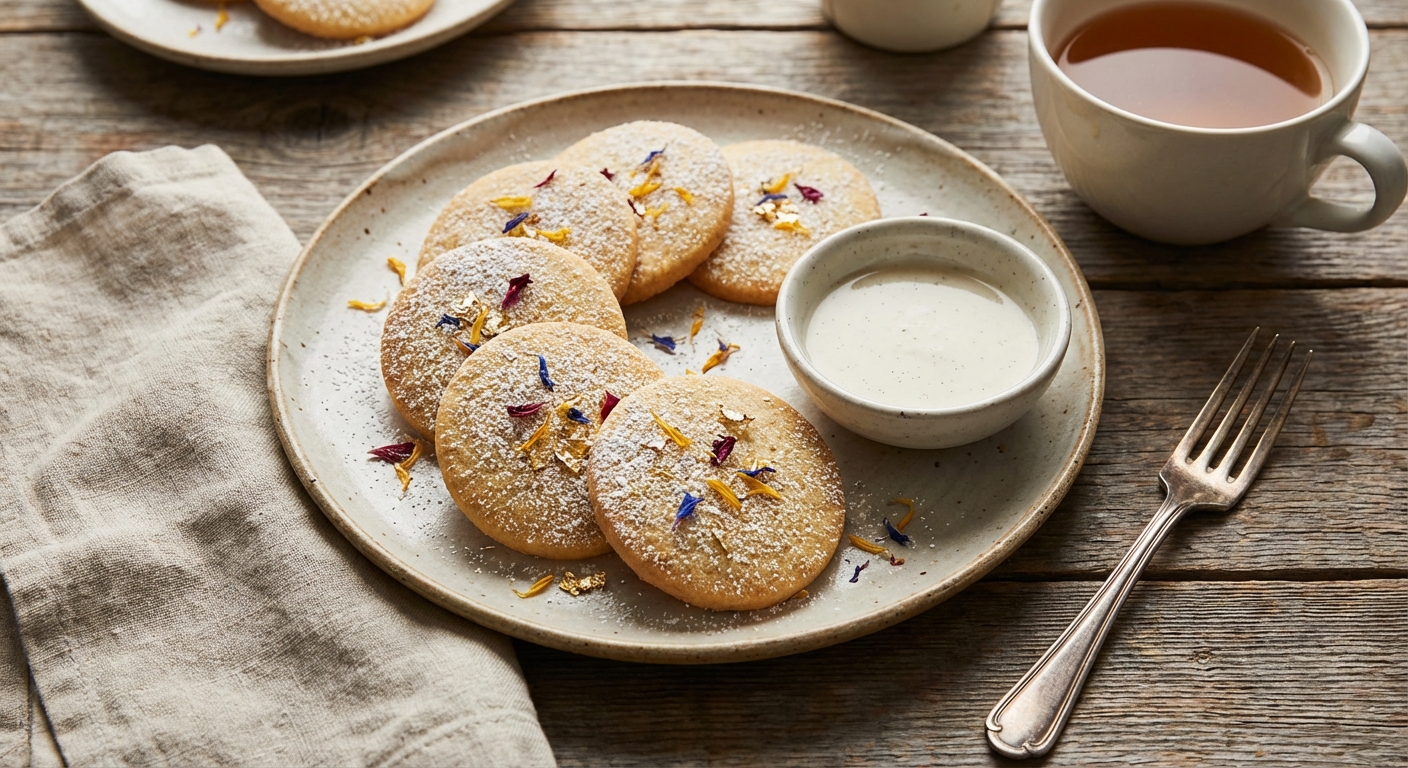
When a craving for something comforting slips in on a quiet afternoon, I reach for a batch of Buttery Sugar Cookies. There’s something that feels almost ceremonial about cream, sugar, and a splash of vanilla transforming into a cloud-soft dough that bakes into little discs of sunshine. These cookies aren’t just dessert; they’re memory-makers—the kind you bake when you want the kitchen to smell like home and the clock to slow down just a notch. I grew up in a family where sugar cookies showed up for almost every holiday, birthday, and Sunday after-lunch coffee. My grandmother would have a plate of them cooling on the rack, edges golden and a gentle crackle when you pressed your fingertip into the surface. The recipe was simple, almost deceptively so: a handful of pantry staples, a electric mixer humming away, and a dozen minutes of patience as the dough settled into soft, sliceable rounds.
> If you’re new to baking cookies with an electric mixer, this recipe is a reassuring, friendly entry point. It’s a lesson in balance: too much time beating can collapse texture; too little time can leave you with a crumbly, dry bite. The secret here is in the creaming stage—when sugar and butter come together until light and fluffy, they trap air that expands in the oven, giving you a cookie that holds its shape but melts on the tongue. And because we’re not adding any extra leavening or heavy mix-ins, the butter and vanilla are allowed to shine, turning a simple sheet of dough into something almost nostalgic in its simplicity.
> You’ll notice I’ve included a few links to some of the ingredients I reach for most often. If you’re ever curious about the ingredient itself, you can click through to learn more: sugar, butter, flour, salt, vanilla extract, and egg. For a broader context on where this falls in the world of sweets, you can also explore the dessert category or the cookies category. And when you’re ready to dream up your own recipe, I invite you to start creating at /create.
Ingredients Benefits
These Buttery Sugar Cookies are a celebration of the core ingredients—each one doing its own essential job. I’ve broken down what each component brings to the party and why it matters, with quick notes on how to think about them when you bake.
- Sugar is more than sweetness here. It helps creaminess with the butter, contributes to browning at the edges, and creates a little structure so the cookies don’t flatten completely. The sugar crystals also give a gentle bite as you bite through to a tender center.
- Butter is the star of the show. You’re using a full cup, which ensures a rich, indulgent flavor and a moist crumb. When you cream it with sugar, you’re aerating fat and sugar together, which lays the foundation for the cookie’s soft interior and lightly crisp exterior.
- Flour anchors the dough. It provides structure so the cookies hold their shape after flattening with the bottom of a glass or your hand. Using the right amount keeps them from spreading too thin while still allowing a delicate crisp around the edges.
- Salt is the quiet mood-setter here. A pinch enhances sweetness and rounds out flavors, giving the vanilla notes a little extra lift rather than letting them feel flat.
- Vanilla extract is the aromatic kiss that makes these cookies feel grown-up and cozy at the same time. A teaspoon is enough to perfume the dough without overpowering the butter’s dairy notes.
- Egg binds the dough and contributes to a tender crumb. It helps emulsify the fat and water in the batter so the cookies bake evenly and stay soft inside as they develop a delicate, lightly browned edge.
All together, these ingredients create a cookie that’s not too thick, not too thin, and—most importantly—carrying the comforting perfume of vanilla and butter right out of the oven. There’s no need for fancy add-ins here. The magic is in the method and the balance of flavors, which makes these cookies an ideal canvas for memory-making and a reliable crowd-pleaser for gatherings, weeknight treat duties, or a simple afternoon solo bake.
Expert Tips
Over the years, I’ve gathered a handful of practical tips that elevate this recipe from good to irresistible. These are the tiny adjustments I remind myself of every time I reach for the rolling pin and the parchment-lined sheet.
- Measure accurately, then trust your feel. When dealing with cookies, accuracy matters, but dough behavior matters more. If you don’t have a scale, spoon flour into your measuring cup and level it off to prevent packing. If the dough feels stiff after the dry ingredients are added, a teaspoon or two of milk or water can be whisked in a touch at a time to bring everything together without making it sticky.
- Room-temperature butter makes a world of difference. If your butter is too cold, creaming won’t aerate the mixture properly, and you’ll risk dense cookies. If you’re pressed for time, you can soften the butter in the microwave for 5-8 seconds at a time, just until pliable (no melted pool). The goal is smooth, evenly creamy butter and sugar that lightens in texture.
- Cream until pale and fluffy, but don’t overdo it. This is the moment where air is incorporated. About 2 minutes on medium speed is typically enough for a full cup of sugar and butter. If you go much longer, you’ll introduce too much air that can cause the cookies to rise and then flatten oddly during baking.
- Don’t overmix after adding dry ingredients. Just until the dough comes together. Overmixing develops gluten, which can make cookies tougher and less tender—defeating the purpose of a delicate, melt-in-your-mouth bite.
- Flatten gently, don’t press too hard. A light press with the bottom of a glass ensures a uniform cookie shape without mud-cake thickness. If you prefer a thinner cookie, you can press a little firmer, but keep an even, gentle touch to avoid cracking the tops.
- Spacing matters for even baking. Two inches apart gives each cookie enough room to bake evenly without merging into a larger disk.
- Oven vigilence and timing. Every oven is a little different. Start checking at the 9-minute mark. You’re aiming for edges that are golden brown and centers that are set but still soft. They’ll continue to firm up as they cool on the rack.
- Cool on the sheet briefly, then transfer. Let the cookies rest on the hot baking sheet for a few minutes; then move to a wire rack for complete cooling. This prevents overbaking from the heat left behind on the baking sheet and keeps the centers tender.
- Simple decorations can elevate. If you want a little sparkle, dust with a pinch of coarse sugar just as they come out of the oven, or drizzle a thin glaze after cooling for a festive touch without overpowering the vanilla notes.
As you implement these tips, you’ll notice how the cookies transform from a basic sugar cookie into a comforting, buttery dream. The technique anchors the flavor; the ingredients simply sing. For those moments when you want to pair a cookie with a story, this recipe is your best ally—a stable, reliable base you can tweak with confidence for holidays, anniversaries, or just a sunset cookie ritual.
Serving Suggestions
These Buttery Sugar Cookies pair beautifully with so many treats and beverages, and they’re sturdy enough to handle a little creativity without losing their core charm. Here are a few ways I love to serve them, along with some pairing ideas that keep the cookies center stage.
- With milk or tea: A classic pairing. A cold glass of milk or a hot cup of tea balances the sweetness and keeps the moment soothing and timeless. If you’re entertaining, a tiered plate with a mix of plain and lightly sugared cookies adds visual interest and variety.
- As a canvas for flavors: If you want to experiment, try a tiny hint of citrus zest (orange or lemon) or a pinch of cinnamon or nutmeg in the dough. The result is a subtle shift that still reads as familiar, with an aromatic twist that delights guests who think they’ve tasted it all.
- Festive touches: Roll dough balls in colored sugar or sprinkles before flattening for a party-ready look. Bake as instructed, and you’ll end up with cookies that are not only delicious but also photo-friendly for holiday cards and family albums.
- Giftable batches: Once cooled, layer cookies between parchment in a decorative tin or box. A simple ribbon makes them feel handmade with love. They’re perfect for neighbors, teachers, or coworkers who appreciate the warm glow of a classic cookie plate.
If you’re browsing for more comforting dessert ideas or want to see where these cookies sit in the broader world of baking, you can explore the Dessert category for sweet inspirations or the Cookies category for a broader range of bite-sized delights. And if you’re ready to embark on your own culinary adventures, I’d love for you to join me at create and bring your own ideas to life.
FAQ
- Storage time: How long do these cookies stay fresh? They’re best the day they’re baked, with a tender crumb and a little melt-in-your-mouth texture. In an airtight container at room temperature, they’ll stay fresh for up to 5 days. For longer storage, freeze baked cookies in a sealed bag or container for up to 2–3 months, then re-crisp briefly in a 350°F (175°C) oven for a quick warm finish.
- Make-ahead tips: Can I prepare the dough ahead of time? Absolutely. You can mix the dough and refrigerate it, covered, for up to 24 hours before shaping and baking. If you’d like to freeze the dough, roll it into a log, wrap tightly, and freeze for up to 1 month. Thaw slightly, slice into rounds, and bake as directed.
- Substitutions: What if I don’t have one of the ingredients? You can usually substitute with pantry-friendly options. If you’re out of vanilla extract, a pinch of almond extract or a tiny splash of orange zest can offer a different fragrance. If you must substitute egg due to dietary preferences, you can try an equal part of applesauce or a commercial egg replacer, but note this may subtly affect texture. For salt, a light pinch is essential to balance sweetness; if you’re reducing salt, keep it minimal to avoid flat flavor.
- Texture questions: How do I ensure a tender crumb? The key is proper creaming of sugar and butter, careful minimal mixing after dry ingredients are added, and baking for the right duration. If your cookies seem too dense, try chilling the dough for 15–20 minutes before shaping, which can help control spread and create a softer center once baked.
Whether you’re baking for a quiet night at home or compiling a batch of gifts for friends and family, these Buttery Sugar Cookies are a reliable, cozy choice. They deliver homey comfort with every bite and a familiar aroma that invites conversation and connection. And if you’re ever unsure about a step, remember: this is a recipe that rewards patience, attention, and the little rituals that make baking so comforting—the creaming stage, the gentle mixing, and the soft, golden crust that means you did it right.
Ready to try your hand at your own dream cookies? Start with your favorite memories, pick a few kitchen staples, and head to Cookies or Dessert to draw inspiration. And when you’re ready, take the leap and visit create to begin crafting your own recipes today.