
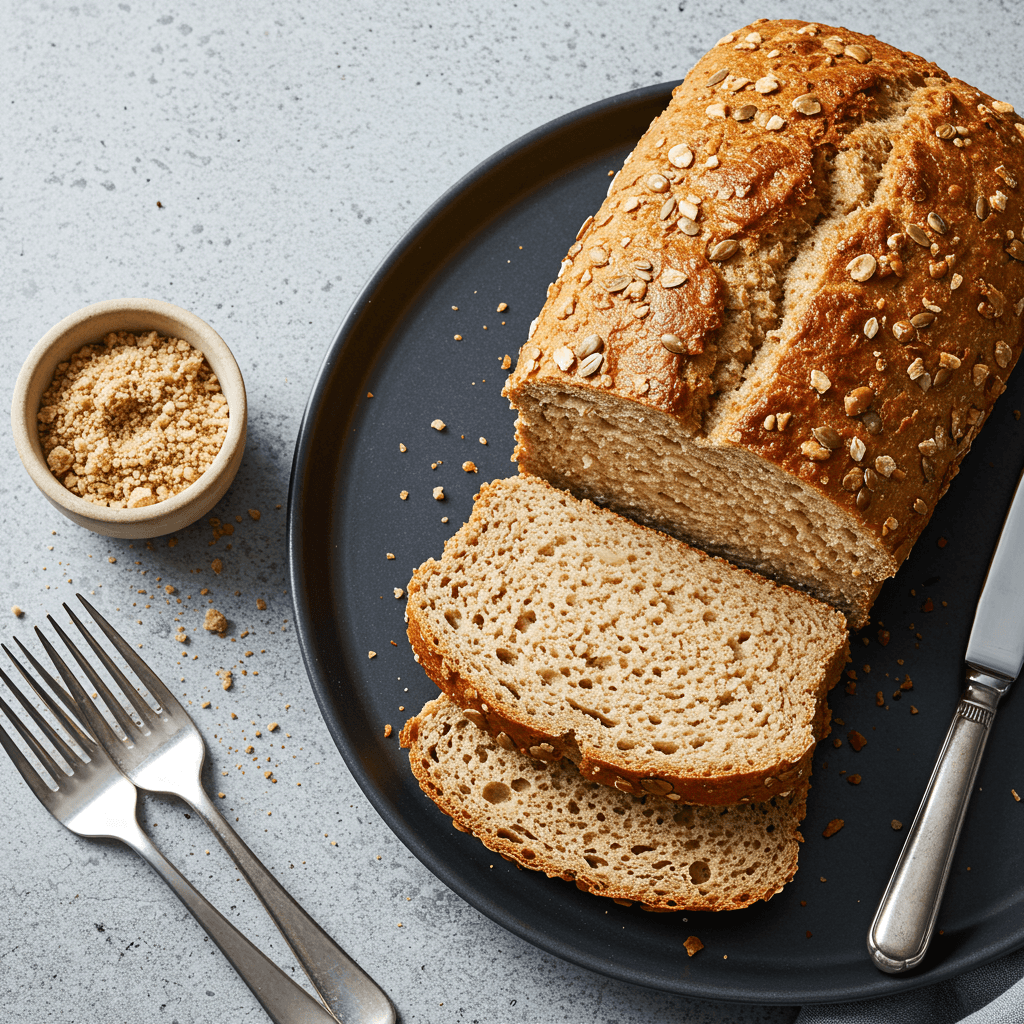
Growing up, I always looked forward to the comforting aroma of fresh bread wafting through the house. My grandmother baked every weekend, and while we love...
Ready to cook?
View the Full Recipe
Get the complete ingredient list, step-by-step instructions, and nutritional info
View Recipe →Growing up, I always looked forward to the comforting aroma of fresh bread wafting through the house. My grandmother baked every weekend, and while we loved her classic white loaves, she occasionally treated us to a heartier whole wheat version. That earthy, robust flavor was unlike anything I had experienced—each slice seemed to carry a sense of warmth and home. Years later, in my own kitchen, I've embraced this recipe for Simple Whole Wheat Bread because it not only reminds me of those cherished days but also provides a healthier twist on a timeless tradition.
Today, I’m excited to share this recipe that brings wholesome goodness right to your table. With a handful of straightforward ingredients—whole wheat flour, bread flour, yeast, honey, and just a touch of butter—you’ll soon discover just how easy it can be to bake your own loaf at home. Prepared with minimal fuss yet yielding maximum flavor, this recipe is an excellent introduction for anyone new to bread baking, as well as a reliable mainstay for seasoned bakers looking for a healthy and satisfying staple.
The Story Behind My Simple Whole Wheat Bread
Every recipe has a story, and mine begins with a quest to create a loaf that was both satisfying and gentle on the stomach. Processed breads are often laden with additives and offer little nutritional benefit, but I was determined to craft a recipe that would be as nourishing as it was delicious. By taking a classic approach—using natural ingredients and baking the traditional way—I stumbled on a bread that offers the perfect harmony of softness and density.
In many modern kitchens, store-bought bread has become the norm due to convenience. However, there’s a certain magic when you spend a couple of hours kneading dough and watching it rise. It’s an almost meditative process: your hands get to work, and the dough slowly transforms from shaggy bits to a silky, springy ball. Plus, as the bread bakes, your home fills with a fragrance that no bakery can replicate. This recipe captures that magic and invites you to slow down, take comfort in the simplicity of whole ingredients, and enjoy a food that tastes both traditional and nourishing.
Why Whole Wheat Flour Is a Nutritious Choice
The Power of Fiber
Whole wheat flour is a superstar when it comes to nutritional value. Unlike refined flours, it retains the wheat germ and bran—which are packed with fiber. Fiber plays a vital role in digestive health, helping to maintain regularity and a healthy gut. By choosing whole wheat flour, you increase your daily fiber intake and promote a feeling of fullness, making it easier to manage portion sizes and maintain healthy eating habits.
Essential Vitamins and Minerals
Beyond fiber, whole wheat flour contains a variety of essential vitamins and minerals at higher levels than refined flour. B vitamins, for instance, are critical to our overall energy metabolism, helping convert food into the fuel our bodies need. Meanwhile, minerals like magnesium, iron, and zinc help support bone growth, red blood cell production, and immune function. When you integrate whole wheat flour into your baking, you’re not just enjoying bread—you’re nourishing your body with key nutrients that can contribute to a balanced and healthy lifestyle.
Key Ingredients and Their Benefits
Active Dry Yeast
Yeast is the driving force behind bread’s rise. When sprinkled over warm water, it begins to feed on natural sugars, releasing carbon dioxide that makes dough light and airy. Active dry yeast is a reliable staple for home bakers because it’s easy to store, measure, and use. Just ensure your water is around 110°F (45°C)—too cool and the yeast won’t activate; too hot and you risk killing it.
Honey
A quarter cup of honey contributes a subtle sweetness and a light caramel hue to this loaf. Unlike granulated sugar, honey contains trace amounts of antioxidants and can help keep your bread moist for longer. It also balances the earthy tones of whole wheat flour, making each bite surprisingly soft and lightly sweet.
Butter
A small amount of melted butter adds richness and tenderness to the crumb. You’ll notice that it helps form a crispier crust as the bread bakes, locking in moisture and flavor. From a nutritional standpoint, butter provides some essential fatty acids and