Introduction
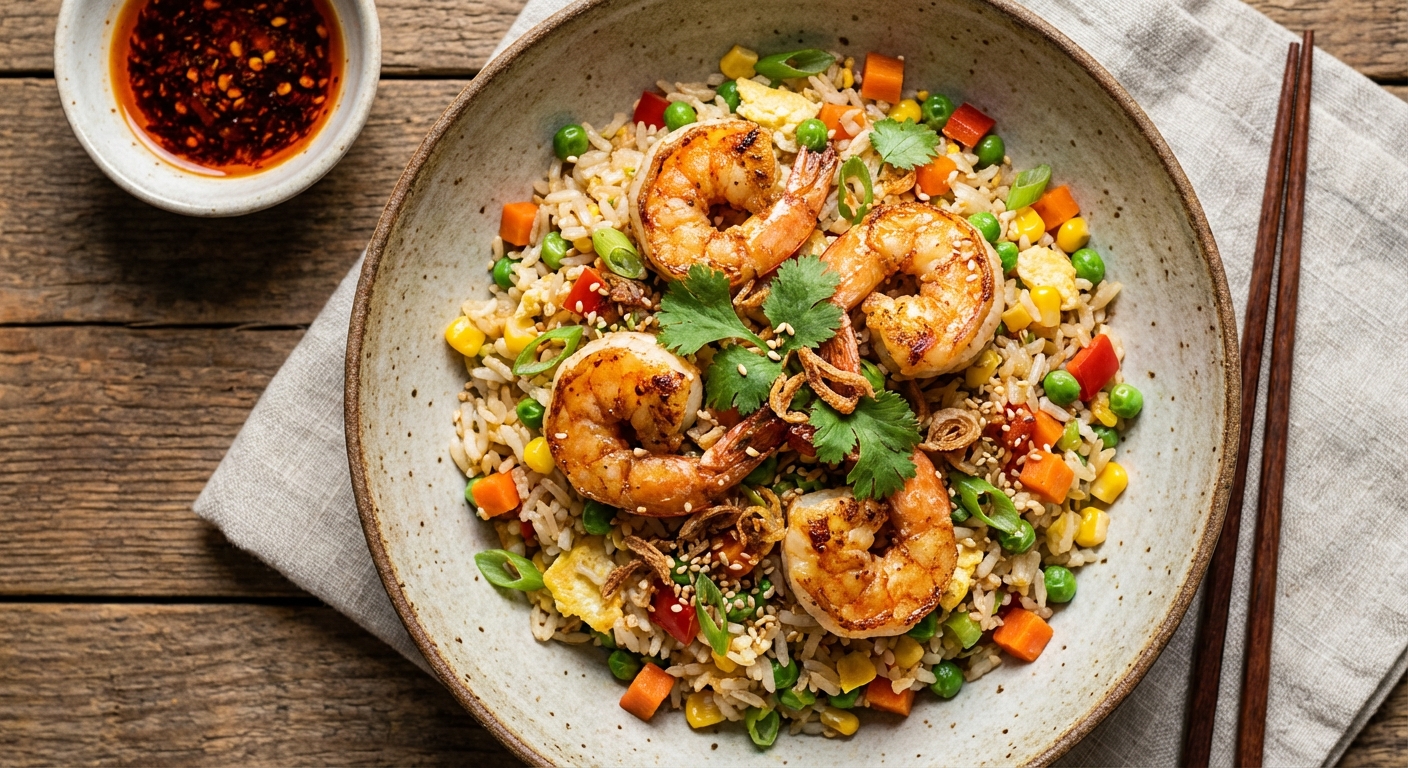
There are a handful of weeknight meals that feel like a warm hug from your kitchen, and Shrimp Fried Rice is one of mine. It’s the kind of dish that proves you don’t need a long, ceremonial cooking session to deliver big flavors. In about 20 minutes, you can have a plate that tastes like it came from a cozy Asian bistro without leaving your home. The beauty of this recipe lies in its balance: the sweetness of shrimp, the savor of soy, the brightness of green onions, and the simple, comforting backdrop of garlic-infused rice that comes together in a single skillet. I first started playing with this concept on a busy weeknight when I had a fridge full of odds and ends—some cooked rice, a few peas, and a carton of shrimp that needed a little love. What emerged was a dish that felt both familiar and fresh, a little smoky from the pan and a little glossy from the soy. It became my go-to, not only for its speed but for how forgiving it is—made with what you’ve got, and still tasting like you planned it for days.
And there’s a bit of a magic trick in this recipe: a hot pan, quick stir-frying, and the way the egg tucks into the grains of rice. The garlic and green onions give aroma and color, while the shrimp brings protein without weighing you down. The dish also celebrates the humble Main Course status—it’s hearty enough to stand on its own, yet simple enough to pair with a crisp cucumber salad or a light miso soup for a complete meal. If you’re curious about where these ingredients sit in the culinary landscape, you can explore the pantry-staple lineup in my kitchen-focused pantry guide, or dive deeper into the Seafood category to see how shellfish can star in quick weeknight suppers like this.
Let me take you through my version of the recipe, with tips, tweaks, and the little storytelling moments that make this fried rice feel personal rather than perfunctory. We’ll start with the ingredients, move into why they matter, and then share the practical, chef-in-a-small-apartment tips that ensure your own skillet becomes a stage for flavor in minutes.
Ingredients Benefits
Every component in this Shrimp Fried Rice has a purpose beyond simply filling space on the plate. Here’s a quick look at why each ingredient matters, along with ideas for substitutions if you’re missing something on a busy shopping day. For quick reference, you can click through to the specific ingredient pages as you read: shrimp, cooked rice, peas, soy sauce, egg, vegetable oil, green onions, salt, black pepper, garlic.
- Shrimp (100 g) provides lean protein and a delicate sweetness that complements the savory base. Shrimp cook quickly and take on a subtle pink hue that makes the dish look irresistible. If you’re using frozen shrimp, thaw and pat dry so they sear nicely rather than steam. shrimp can be swapped with diced chicken or firm tofu for a different merry-go-round of textures, but I often return to shrimp for its quick-cooker magic.
- Cooked rice (1 cup) is the canvas. Day-old or air-dried rice grains separate more easily, preventing a mushy final dish. If you’re starting with freshly cooked rice, spread it on a sheet pan to cool for a bit before frying. cooked rice takes on a shimmering, slightly crispy edge in the hot skillet, especially when you let it rest a moment on the surface before you stir again.
- Peas (0.25 cup) bring sweetness and color, plus a little texture contrast that helps the dish feel vibrant. If you don’t have peas, you can substitute peas of another color, or add diced carrot for a warm pop of orange and extra crunch. peas are a classic fried-rice add-in, and they pair beautifully with sesame oil if you want to finish the dish with an extra kiss of aroma.
- Soy sauce (2 tbsp) is the savory backbone, delivering salt and depth without needing a long simmer. If you’re gluten-free, look for certified gluten-free soy sauce, or try tamari as a substitute. soy sauce is the flavor workhorse here, so you’ll notice even small adjustments can change the entire profile.
- Egg (1 whole) is the binding and a touch of richness. Scrambling it in the hot pan creates ribbons of egg that cling to the grains, making every bite cohesive. If you’re cooking for someone with dietary preferences, you can omit the egg and add extra vegetables for a vegan-friendly version, or substitute with scrambled tofu.
- Vegetable oil (2 tbsp total) provides the high smoke point you need for wok-like sizzling without sticking. If you’re avoiding refined oils, you can use peanut oil for a nutty note or neutral canola oil; just keep the pan hot and the oil shimmering to achieve that signature fried texture.
- Green onions (2 stalks) add a bright, crisp bite and a fresh aroma. They’re added toward the end to stay vibrant, with the white part getting a quick sauté to deepen the flavor. If you don’t have green onions, try finely chopped chives or shallots for a milder onion note. green onions
- Salt (0.25 tsp) and black pepper (0.25 tsp) round out the flavors. The pepper adds a gentle kick, and the salt heightens everything without masking the soy’s savoriness. If you’re using low-sodium soy sauce, you might want to adjust the salt to taste later in the cooking process.
- Garlic (2 cloves) brings the bold aromatics that wake up the dish in minutes. Mincing garlic finely helps it disperse evenly and avoids biting large hard bits in every mouthful. If you’re sensitive to garlic, a single clove can be enough in a pinch, but I love the warmth that two cloves lend here. garlic
Expert Tips
These are the little adjustments that separate a good weeknight stir-fry from a stellar one. I’ve gathered practical tips from my kitchen experiments and a few trusted chef friends to help you nail this Shrimp Fried Rice every time.
- Prep like a pro and keep things moving. Have your shrimp cleaned, peeled, and patted dry, garlic minced, green onions sliced, and the peas measured before you turn on the heat. When you’re cooking, everything goes fast, so organization is your secret sauce.
- Get the pan screaming hot. Preheat a large non-stick skillet or wok over medium-high heat and add the first tablespoon of oil. You want a shimmer, not a shimmer of oil—this is what creates those delicate, slightly smoky bits in every bite.
- Cook shrimp just until pink, then rest. A quick 2-3 minutes per side is plenty for small shrimp. Removing them from the skillet while you cook the rest prevents overcooking and a chewy texture. Return them at the end so they stay juicy and bright.
- Scramble the egg in the same pan. Push the shrimp aside, add a touch more oil if needed, and scramble the egg until it just starts to set. This step builds little ribbons of egg that cling to the rice and add a fluffy contrast to the grains.
- Keep the rice separate and saucy, not soggy. Add the cooked rice and peas after the egg, then pour in soy sauce and seasonings. Stir everything briskly for 3-4 minutes until heated through and well combined. If the rice looks too dry, splash in a teaspoon of water or broth to refresh the texture.
- Season to taste at the end. Taste your dish and adjust with a bit more soy sauce, salt, or pepper if necessary. It’s easier to control salt after the main flavors have bloom, so you can avoid oversalting from the start.
- Finish with a bright green finish. A final scattering of chopped green onions right before serving adds aroma and color that makes the dish feel fresh and inviting.
- Make-ahead and storage notes. Leftovers store well in an airtight container in the fridge for up to 3-4 days. Reheat in a skillet over medium heat, stirring often, until piping hot. If you want to save time on future meals, consider cooking the rice and shrimp separately and refrigerating, then combining quickly when you’re ready to eat.
Serving Suggestions
Shrimp Fried Rice shines as a complete, one-pan meal, but you can elevate the experience with thoughtful accompaniments and presentation. Here are some serving ideas that keep the flavors cohesive and satisfying:
- Pair with a crisp cucumber salad dressed in rice vinegar and a pinch of sugar for a refreshing contrast to the savory rice. The cool crunch complements the warmth of the fried rice without competing with it.
- Finish with a light drizzle of sesame oil or a sprinkle of sesame seeds for a toasty, nutty note that echoes many Asian traditions.
- Offer a chili oil or chili crisp on the side for those who like a touch of heat. A squeeze of lime over the top brightens the dish even further, adding a citrusy zing that lifts the flavors.
- Turn this into a customizable base: swap in diced bell peppers or shredded carrot for color and crunch, or add a handful of chopped mushrooms for extra earthiness. If you’re curious about other ways to play with fried rice, explore the Main Course ideas in my collection and see how you can remix this concept to fit your pantry.
- If you’re sharing this with guests who prefer plant-based meals, try a tofu scramble in place of the egg and load in extra vegetables for a crowd-friendly version.
Feeling inspired to experiment beyond the skillet? I love hearing about your twists. And if you’re looking to cook more from a place of curiosity and joy, I invite you to explore other recipes and projects in my kitchen, and perhaps start your own culinary journey at our create hub.
FAQ
- How long do leftovers keep?
Leftovers can be stored in an airtight container in the refrigerator for 3-4 days. Reheat in a hot skillet, stirring often, until the dish is steaming hot throughout. If the rice looks a bit dry, splash in a teaspoon of water or broth to refresh the texture.
- Can I make this ahead or adjust for different proteins?
Yes. You can prepare the components in advance: rice, shrimp, and vegetables separately, then combine right before serving. For protein substitutions, chicken, turkey, or firm tofu are excellent options. If you swap proteins, adjust the cooking time to ensure everything is cooked through without drying out.
- What about substitutions for dietary needs?
For gluten-free diets, use a gluten-free soy sauce or tamari. You can also skip the egg for a vegan version and increase the peas or add finely diced firm tofu for extra texture. If you’re avoiding oil, you can use a nonstick pan with a light spray of oil instead, though the oil helps achieve the signature fried texture.
- Can I freeze this?
While fried rice can be frozen, it’s best enjoyed fresh. If you freeze, the texture of the rice can change, and peas may lose their snap. If you’re making ahead, refrigerate and reheat, or freeze individual portions and reheat in a skillet or microwave.
Whether you’re cooking for one or feeding a family, this Shrimp Fried Rice is a reliable, delicious option that proves good food can be quick, tasty, and comforting all at once. If you’re hungry for more culinary experiments, I encourage you to take the next step and start crafting your own recipes in the kitchen—head to the create hub and begin your flavor journey today.