
If you want to create your own recipes tailored to your own tastes and preferences, try our AI Recipe Maker now.
Ready to cook?
View the Full Recipe
Get the complete ingredient list, step-by-step instructions, and nutritional info
View Recipe →Discover the Comfort and Heritage Behind This Timeless Flatbread
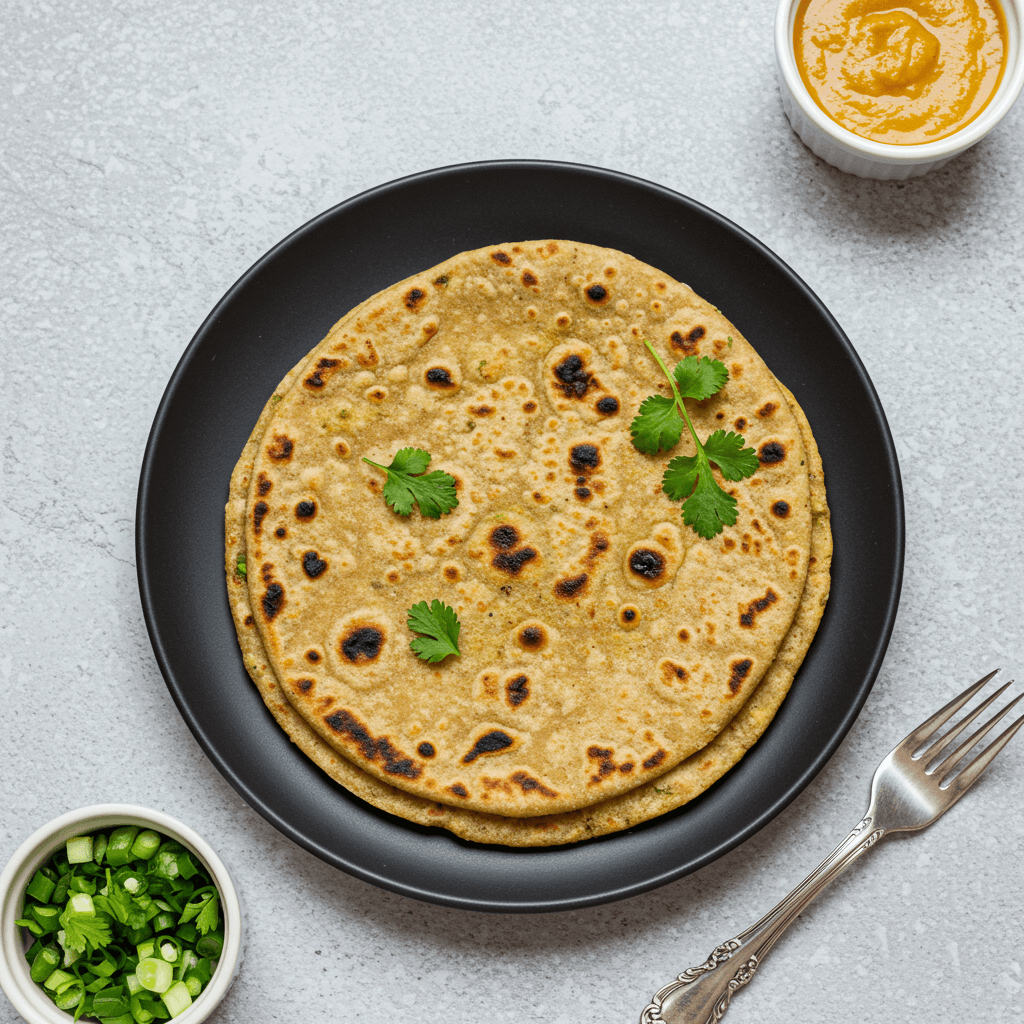
There is something truly comforting about a warm, soft flatbread emerging from the stove. In my childhood, I vividly remember the aroma of freshly cooked chapatis wafting through my grandmother’s kitchen. Growing up in a multicultural household, breads of various shapes and textures were staples, but nothing could quite compare to the toothsome delight of a whole wheat chapati. Over the years, I’ve come to appreciate the simplicity of this traditional Indian flatbread, and how a few humble ingredients can deliver such a wholesome culinary experience.
Chapati, often called roti in certain regions, remains a cornerstone of many South Asian kitchens due to its versatility, ease of preparation, and naturally delicious flavor. Whether you’re enjoying it with a hearty lentil stew or folding it around grilled vegetables, chapati offers comfort in each bite. This recipe focuses on making the process quick and approachable. In this post, we’ll dive into the background of chapatis, highlight their nutritional advantages, provide troubleshooting tips, offer recommended substitutions, and suggest complementary dishes that turn this simple flatbread into a star attraction on your dinner table.
The Tradition and Popularity of Chapatis
Throughout India, Pakistan, and neighboring countries, chapatis—also referred to as roti—are revered as an everyday bread. Particularly in the northern regions of India, chapatis make a frequent appearance at every meal. Different families use unique ways of rolling or puffing their chapatis, but the essence remains consistent: a soft, surprisingly light flatbread that goes with almost any savory dish.
The act of preparing chapatis is more than a straightforward recipe; it is a cherished tradition passed down through generations. Each step—measuring flour carefully, kneading it to the right consistency, resting the dough under a damp cloth—carries with it a sense of heritage. Learning to roll the dough just right and patiently handling the pan or tawa to achieve that perfect puff can take some practice, yet the reward is always worthwhile. No fancy equipment is necessary: just your hands, flour, water, and a warm cooking surface. Many people describe making chapatis as a soothing ritual that brings them closer to home and family.
Why Whole Wheat?
Whole wheat flour, the star ingredient in chapatis, holds special significance both culturally and nutritionally. Since it is minimally processed, whole wheat flour retains many parts of the grain—bran, germ, and endosperm. This means you get a natural boost of fiber, vitamins, minerals, and antioxidants alongside the carbohydrates that supply energy. Compared to refined wheat flours, whole wheat flour elevates dishes with an earthy, nutty flavor and contributes significantly to a well-rounded diet.
A core benefit of using whole wheat flour is its role in supporting healthy digestion. Thanks to its high fiber content, it can help maintain a balanced gut and prevent sudden spikes in blood sugar levels. This makes whole wheat chapatis particularly appealing to those watching their health. Fibre also plays a key role in keeping you satiated, which means eating a moderate amount of chapatis can help in maintaining or reaching weight goals. By using whole wheat flour, you end up with a meal that is both comforting and nourishing.
Health Benefits of Key Ingredients
Whole Wheat Flour
• High in dietary fiber: Keeps you fuller for longer, aiding in healthy weight maintenance and promoting digestive regularity.
• Contains B vitamins: Essential for energy production and various bodily functions.
• Provides minerals: Such as iron, magnesium, and zinc, supporting overall well-being.
Salt
Although salt might seem like a minor component, it plays an important role in flavor. The key is moderation. A small amount of salt helps bring out the earthy sweetness of the wheat. For those who need to monitor their sodium intake, you can adjust or even omit salt without greatly affecting the end product.
Water
Water is critical in binding the dough and ensuring the chapati remains soft and pliable. Proper hydration of the flour does more than shape the dough—it helps create the right environment for gluten development, the protein network responsible for elasticity and structure.
Step-by-Step Instructions
Before diving in, prepare your workspace with a clean counter or table for rolling out the dough and have a non-stick pan or tawa on medium-high heat. Here are the instructions for making your own batch of fresh, warm chapatis:
- In a large mixing bowl, combine the 2 cups of whole wheat flour and 1/2 teaspoon of salt. Mix them well with your hands or a whisk to ensure the salt is evenly distributed.
- Gradually add 3/4 to 1 cup of water to the flour mixture a little at a time while mixing with your hand until a dough starts to form. The dough should be soft but not sticky. You may not need to use the entire cup of water.
- Knead the dough for about 5-7 minutes until it becomes smooth and elastic. Cover the dough with a damp cloth and let it rest for about 10 minutes.
- Divide the rested dough into 8-10 equal parts and roll each part into a ball. Flatten each ball slightly.
- Using a rolling pin, roll each ball on a lightly floured surface into a flat disc about 6 inches in diameter. Try to make the chapati uniformly thick.
- Heat a non-stick pan or tawa over medium-high heat. Place one rolled-out chapati on the hot pan.
- Cook the chapati for about 30 seconds, or until you see bubbles starting to form on the surface. Flip it over using a spatula.
- Cook the other side for about 30 seconds, or until light brown spots appear. Flip once more, gently pressing the edges with a spatula until the chapati puff up (another 15-30 seconds).
- Remove the chapati from the heat and place it in a stack wrapped in a kitchen towel to keep them warm. Repeat the process with the remaining dough balls.
- Serve hot with your favorite curry or side dish.
Tips for Perfect Chapatis
While making chapatis is relatively straightforward, a few key pointers can make a noticeable difference:
- Proper Kneading: The secret to soft chapatis lies in properly developing the gluten in whole wheat flour. Spend at least five minutes kneading, applying gentle pressure as you fold the dough repeatedly.
- Rest Time: Resting the dough under a damp cloth for about ten minutes helps the gluten relax, making the dough easier to roll out and resulting in softer chapatis.
- Dough Consistency: If the dough feels too sticky, sprinkle in a small amount of flour. If it feels dry or stiff, add a few drops of water. The ideal consistency is soft but not overly wet.
- Rolling Technique: Keep the thickness even to allow uniform puffing. Apply gentle, even pressure with your rolling pin.
- Heat Control: The pan temperature should be moderately high. Too low, and you risk drying out the chapati without creating those characteristic brown spots. Too high, and the chapati may burn quickly.
Substitutions and Variations
• Multigrain Flour: If you’d like an extra boost in nutrients, feel free to incorporate a blend of flours, such as millet or sorghum flour, along with your whole wheat. This will slightly change the texture, but it can add more depth of flavor.
• Gluten-Free Option: Traditionally, chapatis rely on the gluten present in wheat. However, you can explore gluten-free flours like buckwheat or a commercial gluten-free blend. Be aware that gluten-free doughs can be trickier to roll out and might require additional binding agents, so proceed with patience and extra moisture if needed.
• Salt Variations: Sea salt, Himalayan pink salt, or even garlic salt can subtly shift the flavor profile of your chapatis. Adjust to your preference while watching your daily sodium intake.
Serving Suggestions and Complementary Dishes
Whole wheat chapatis excel at soaking up flavorful curries and sauces, making them an ideal companion for numerous dishes. Here are a few pairing ideas:
- Lentil Dal: The creamy texture of dal complements the mild, nutty taste of chapatis. Try tarka dal or dal makhani for a rich blend of spices and legumes.
- Royal Paneer: Pair chapatis with a paneer-based curry, like palak paneer or paneer butter masala, for a luxurious vegetarian feast.
- Stir-Fried Vegetables: Use your chapati as a wrap or break off pieces to scoop up sautéed vegetables tossed in spices and aromatic herbs.
- Raita or Yogurt Dip: A cooling yogurt-based sauce not only brings balance to spicy curries but also adds a refreshing element to each bite.
- Pickles and Chutneys: Don’t forget tangy pickles or sweet-spicy chutneys, which help cut through the richness of heavier dishes and provide a delicious contrast.
Another fun idea is to brush your chapati with a bit of ghee (clarified butter) or olive oil right after cooking. This simple hack maintains softness and adds a subtle richness. If you have leftovers, store them in an airtight container in the fridge and reheat briefly on a hot pan. They also freeze well, making them an excellent option for meal prep.
Conclusion: Your Turn to Create a Delicious Tradition
Making quick whole wheat chapatis at home is more than just following a recipe—it is an experience woven with tradition, flavor, and nutritional goodness. With a bit of patience and practice, you can master the art of rolling these soft flatbreads to perfection. The result is a comforting, versatile accompaniment that fits effortlessly into various meals. Let your creativity flow by incorporating different flours or adding your favorite herbs and spices to the dough. Whether you serve your freshly made chapatis with savory curries, grilled vegetables, or delightful condiments, the result will always be a satisfying, wholesome addition to your plate.
So why not gather the few simple ingredients you need and give this quick whole wheat chapati recipe a try? You’ll be surprised at how quickly you can pull together a nourishing, heartfelt meal. From my kitchen to yours, I wish you many happy chapati-making sessions—and of course, many delicious bites!
SEO-Focused Tags/Keywords
- Whole Wheat Chapati
- Quick Chapati Recipe
- Indian Flatbread
- Healthy Roti
- Easy Chapati Dough
- Soft Homemade Chapati
Meta Description (155-160 characters):
Enjoy soft, healthy whole wheat chapatis in just 30 minutes! Learn easy tips, substitutions, and serving ideas for a delicious traditional flatbread.