
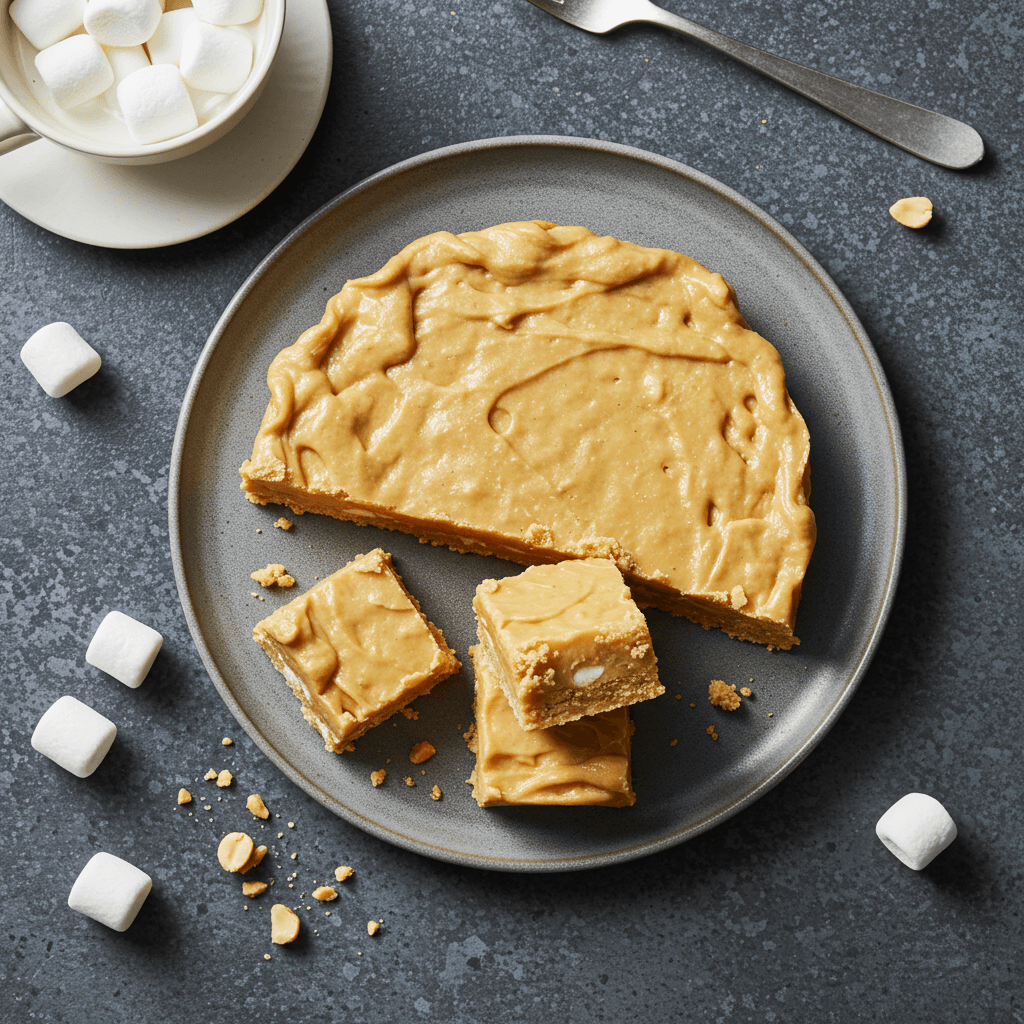
There is something undeniably magical about the combination of peanut butter and marshmallow crème. I still remember the first time I tasted a luscious squ...
Ready to cook?
View the Full Recipe
Get the complete ingredient list, step-by-step instructions, and nutritional info
View Recipe →There is something undeniably magical about the combination of peanut butter and marshmallow crème. I still remember the first time I tasted a luscious square of peanut butter fudge at a family gathering: the creamy texture, the rich nuttiness, and the sweet swirl of marshmallow made it a standout among the array of desserts on the table. I was immediately transported to a simpler time, one where fudge-making felt like an art passed down through generations. Whether it was stirred at home around the holidays or lovingly created for birthdays and special events, this fudge recipe connects us to cherished culinary traditions while still allowing room for personal flair.
Over time, I’ve experimented with countless fudge variations—from dark chocolate infusions to those dotted with chopped nuts or sprinkled with sea salt. Yet, there’s something uniquely comforting about a classic peanut butter fudge, especially one featuring the pillowy softness of marshmallow crème. It’s the perfect dessert for those seeking a sweet escape from a hectic day or a memorable treat to share with friends and family. The best part? It only takes about 30 minutes from start to finish. Within half an hour, you’ll have a pan of dense, melt-in-your-mouth squares that blend the timeless flavors of peanuts and marshmallow. If you never thought fudge could be so easy, prepare to be pleasantly surprised.
The Nostalgic Origins of Peanut Butter Fudge
Fudge itself has a storied past, believed to have originated in the United States during the late 19th century. Early recipes often focused on chocolate or brown sugar as primary flavor bases, but peanut butter swiftly emerged as a popular variation. Peanut butter fudge gained ground especially in households where peanuts and peanut butter were readily available, often becoming a family’s signature candy. Marshmallow crème, another beloved American pantry staple, adds a fluffy note that truly elevates this dessert.
For many of us, peanut butter fudge conjures memories of homemade holiday confections—with the aroma of sugar and butter simmering on the stovetop and the anticipation of tasting that first, still-warm piece. Today, we continue the tradition with a slightly modern twist: incorporating marshmallow crème for an ultra-smooth texture. No matter when you decide to whip up a batch, it’s sure to bring a sense of nostalgia to your kitchen. Even if you don’t have a longstanding family recipe, this version is the perfect one to start passing down to the next generation.
Step-by-Step Peanut Butter Fudge with Marshmallow Creme
This recipe will yield a delightful 8-inch square pan of fudge, perfect for slicing into bite-sized treats. Whether you’re an experienced candy-maker or someone new to the art of fudge, these straightforward steps will guide you to sweet success:
- Grease an 8-inch square baking pan with 1 teaspoon of butter. Set the pan aside to await your velvety blend of ingredients.
- In a medium saucepan, combine 2 cups of sugar, 0.5 cup of whole milk, and 1 teaspoon of butter. Cook this mixture over medium heat, stirring continuously, until the contents reach a full boil.
- Once at a full boil, allow the mixture to cook for 3 minutes without stirring. This short yet crucial boil period ensures the fudge attains the right consistency.
- Remove the saucepan from the heat source. Promptly stir in 1⅓ cups of peanut butter and the entire 7-ounce jar of marshmallow crème. Mix thoroughly until smooth and consistent in texture.
- Pour the fudge batter into the prepared baking pan, and use a spatula to smooth out the top.
- If you’re feeling extra creative, drizzle some melted white chocolate over the fudge. For a little crunch, sprinkle graham cracker crumbs on top.
- Let the fudge cool at room temperature for about 30 minutes or until fully set. Once it has firmed up, cut it into squares and prepare to enjoy!
As you’ll quickly discover, this recipe is wonderfully flexible. The optional toppings—white chocolate or graham cracker crumbs—give an extra layer of flavor or textural contrast, but the fudge is equally delicious all on its own. It’s also important to avoid overcooking the sugar and milk mixture. When you master the boiling portion of the process, the reward is a perfect balance of firm and creamy in every square.
Key Ingredients and Their Nutritional Value
Peanut Butter: Protein and Healthy Fats
Peanut butter stands at the heart of this fudge. Not only does it bring that beloved nutty essence, but it also contributes a touch of protein and healthy fats to the recipe. Peanut butter contains monounsaturated and polyunsaturated fats, which are the “good” fats associated with supporting cardiovascular health. Additionally, it provides an array of nutrients, including vitamin E, magnesium, and potassium. Although this sweet treat certainly isn’t a “health food” by conventional standards, it does offer a bit of nutritional value courtesy of the peanut butter base.
Marshmallow Crème: Sweet Airiness
Marshmallow crème may be light and fluffy, but it’s made predominantly of sugar and whipped egg whites. Its function in this recipe is to introduce a distinctive smoothness that sets the fudge apart from varieties made solely with sugar and evaporated milk. While it doesn’t add much in the way of vitamins or minerals, the melt-in-your-mouth consistency is integral to the overall experience. Life is about balance, so savor that sweetness when it’s occasionally on the menu!
Milk and Sugar: The Essential Candy-Making Base
A fundamental principle in candy-making, sugar and milk create the backbone of most fudge recipes. By combining them and heating to the right temperature (or specific stages in more complex candies), you achieve a texture ranging from chewy to silky. Here, extended boiling time ensures the fudge sets properly. Though sugar has obvious health drawbacks if consumed in large amounts, using it in moderation for special desserts is totally fine. The whole milk adds additional creaminess and contributes to the fudge’s rich consistency.
Tips for Perfect Preparation and Ingredient Substitutions
Making fudge can sometimes seem daunting, especially since candy recipes often talk about exact temperatures and specialized thermometers. For this scrumptious peanut butter fudge with marshmallow crème, you won’t need a candy thermometer—all it takes is a keen eye on the stove. The critical step is the three-minute boil. Make sure you set a timer so you boil the sugar mixture for exactly three minutes, resisting the urge to stir. This period allows the sugar to dissolve fully while controlling the formation of sugar crystals, which can affect the smoothness of your fudge.
If you don’t have whole milk on hand, you can substitute 2% milk in a pinch, though the texture may be slightly less lush. Need a nut-free switch? Sunflower seed butter can be a handy alternative that mirrors the creaminess of peanut butter. For those looking to cut down on sugar, consider experimenting with a lower-sugar peanut butter or cutting back slightly on the sugar in the recipe. Keep in mind, though, tweaking the sugar content significantly can alter the texture and set of your fudge, so proceed cautiously. If you’d like a hint of saltiness, using a salted butter or a pinch of sea salt can highlight the peanuts’ natural flavor.
Serving Suggestions and Complementary Dishes
This peanut butter fudge is superb as a rich finale to a meal. Because each square is satisfyingly sweet, it pairs well with beverages that help cleanse the palate. Consider serving it alongside a freshly brewed cup of coffee or tea, or even a glass of cold milk to echo the creamy notes. If you’re hosting a dessert buffet or a potluck, line up squares of this fudge alongside brownies and fruit-based treats for an eye-catching (and mouthwatering) display. Don’t overlook the power of small, individually wrapped servings—these squares make fantastic gifts or party favors during the holiday season.
For a lavish dessert spread, pair your fudge with contrasting flavors and textures. A tangy cheesecake or a tray of crisp fruit tarts can balance the sweetness of the fudge. Alternatively, you could incorporate the fudge into a larger cheese board: set out slices of mild cheese, fresh grapes or apples, and nuts. This mix of sweet and savory nibbles allows your guests to craft their own distinctive flavor combinations.
A Sweet Conclusion
Few desserts capture hearts as effortlessly as fudge