
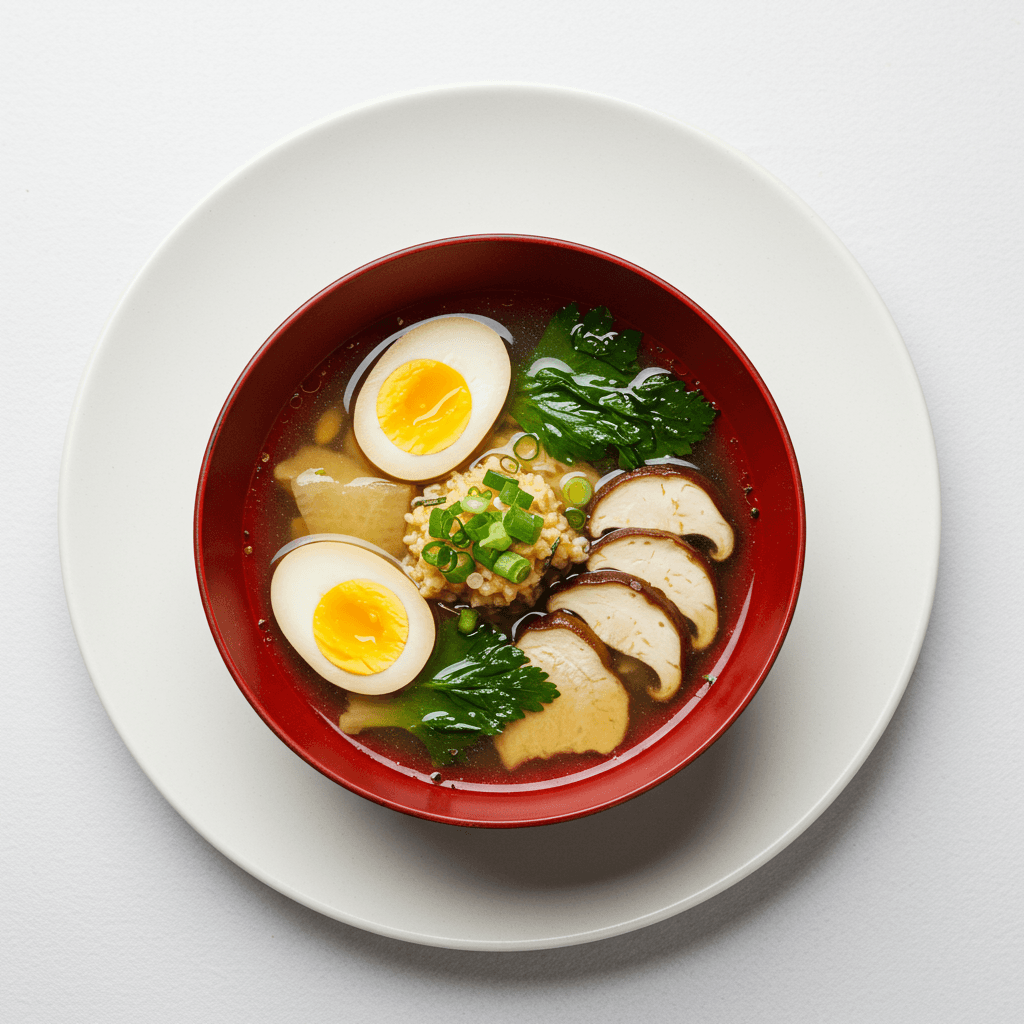
There’s something truly magical about the moment you take that first sip of warm, comforting miso soup. My earliest memory of tasting miso soup dates back ...
Ready to cook?
View the Full Recipe
Get the complete ingredient list, step-by-step instructions, and nutritional info
View Recipe →There’s something truly magical about the moment you take that first sip of warm, comforting miso soup. My earliest memory of tasting miso soup dates back to a family trip where we visited a cozy Japanese restaurant tucked away on a side street. The gentle scent of fermented soybeans and the delicate taste of dashi sparked my curiosity about this delicious, comforting broth. Over the years, I’ve grown to appreciate how miso soup effortlessly combines flavor and nutrition in one bowl, making it a go-to choice for those seeking a wholesome dish that soothes body and soul.
As a staple in many Japanese households, miso soup finds its way into daily meals, celebrations, and gatherings. It may be surprising to learn that this humble soup can trace its origins back hundreds of years, evolving with regional customs and local ingredients. The dish showcases the wonderful possibilities that arise from something as simple as fermented soy paste. Even as global cuisines fuse and shift, miso soup remains a comforting constant in many cultures, consistently offering a warm welcome to all who try it. Below, you’ll discover everything you need to know to make your own delicious and authentically wholesome miso soup.
The Allure of Miso Soup
Miso soup might at first seem like just another broth, but there’s far more depth to it than meets the eye—or taste buds. This popular Japanese dish highlights the art of simplicity, bringing together essential ingredients that deliver robust umami flavor without heavy seasoning. Miso soup provides more than a culinary experience; it can benefit your health in a variety of ways. From aiding digestion to being packed with protein, it’s a dish tailor-made for those in search of something both appetizing and nutritious.
In Japan, many households frequently begin their day with a warm bowl of miso soup, believing it jump-starts their metabolism and fuels them for the day ahead. As living cultures continue to shift toward holistic well-being, miso soup has found a global audience among people eager to optimize their diet. The interplay of savory and subtle sweet notes in the soup makes it appealing to even the pickiest eaters, making this recipe a beneficial staple in a household’s meal rotation.
Why It’s More Than Just Soup
Beyond its impressive flavor profile, miso soup embodies the broader philosophy of Japanese cuisine—fresh, seasonal, and minimally processed ingredients working harmoniously. By embracing seasonal produce with its base of miso and dashi, you can adapt this versatile soup to different times of the year. Think of adding mushrooms in the fall or extra leafy greens in the spring. There are countless variations, but a classic miso soup almost always includes green onions, tofu, dashi, and a well-chosen miso paste that anchors the entire dish.
Nutritional Highlights: Key Ingredients and Their Benefits
Part of the reason miso soup has remained relevant for centuries is due to the variety of healthful ingredients that go into it. Each component in the soup brings something unique to the table, making this meal well worth adding to your regular lineup.
Miso Paste
Miso paste is the star of the show. Produced by fermenting soybeans with salt and a mold culture called koji, miso offers an impressive depth of flavor known as umami. Apart from the taste, fermentation produces beneficial probiotics that promote gut health and improve digestion. Miso is also a source of essential vitamins and minerals, including vitamins B, E, and K, as well as zinc, iron, and copper. This nutrient-rich paste can help bolster immune function and contribute to healthy cellular activity.
Dashi
Dashi is a cornerstone of Japanese cooking, acting as the foundation for many soups and sauces. Typically created by steeping bonito flakes (dried fish) and/or kombu (kelp) in hot water, dashi boasts a subtle smokiness and savory punch. While the traditional method involves fresh ingredients, dashi granules make life easier for busy home cooks. These granules deliver similar flavor results without the extra time and effort. Dashi provides trace minerals, especially if kombu is used, giving you an added nutritional bonus.
Silken Tofu
Silken tofu, known for its delicate texture, is packed with plant-based protein, making miso soup a protein-rich dish. Tofu delivers essential amino acids that the body needs for muscle repair and growth. Moreover, it includes minerals such as calcium and magnesium, important for bone health. Its mild flavor ensures that it absorbs the taste of the surrounding broth or sauce, ensuring every spoonful is silky, luscious, and satisfying.
Green Onions
Green onions, or scallions, might seem like a simple garnish, but they elevate miso soup with their mild, oniony brightness. Beyond heightening flavor, green onions also contribute vitamins A and C, and they offer antimicrobial properties that can help bolster immune defense. Using fresh green onions at the end of cooking preserves as many of these nutrients as possible while providing a delightful crunch.
Step-by-Step Recipe Overview
While miso soup’s complexity might seem intimidating, the process to create this comforting dish is fairly straightforward. The key is to take it slow and allow each component to shine. Below, you’ll find a quick overview of the ingredients you’ll need, followed by detailed instructions for cooking the perfect miso soup. This recipe serves about two to three people, though you can easily scale it up if you’re feeding a larger group.
- Green onions (2 stalks)
- Silken tofu (7 ounces)
- Miso paste (3 tablespoons)
- Dashi granules (2 teaspoons)
- Water (4 cups)
Full Instructions
- In a medium-sized pot, bring 4 cups of water to a gentle simmer over medium heat.
- Add the 2 teaspoons of dashi granules to the simmering water. Stir until they completely dissolve, which ensures a smooth base.
- Dice the 7 ounces of silken tofu into bite-sized cubes. Add these to the pot and continue to simmer for about 5 minutes. Make sure the soup does not boil to keep the tofu’s delicate texture intact. Stir gently so you don’t break the tofu cubes.
- In a separate small bowl, mix 3 tablespoons of miso paste with a ladleful of the hot dashi broth to help the miso dissolve. This step prevents clumps of miso in your final soup.
- Gradually whisk the dissolved miso mixture back into the pot. Be careful not to let the soup come to a rolling boil, as excessive heat can reduce the flavor (and health benefits) of the miso.
- Remove the pot from heat. Slice 2 stalks of green onions diagonally and add them to the soup. Stir gently to combine. Serve immediately while still warm.
Tips for Preparing the Perfect Miso Soup
The seemingly simple recipe belies the level of nuance and care that goes into perfecting miso soup. Here are some tips to ensure you get the most out of your cooking experience:
- Choose the Right Miso Paste: Miso comes in different varieties, such as white (shiro), yellow (shinshu), and red (aka). White miso is milder and sweeter, while red miso tends to be bolder and more pungent. Start with a milder variety if you’re new to miso soup, then explore stronger flavors as you grow more confident.
- Avoid Overheating: Once the miso paste is added, keep the temperature just below a simmer to preserve the probiotic benefits and delicate flavors.
- Mind the Seasoning: Miso paste can be salty, so try the broth before adding extra salt or seasoning.
- Stir Gently: Because silken tofu is quite delicate, make sure to stir gently to avoid breaking it apart too much. This ensures the soup maintains a clean look and silky texture.
Possible Ingredient Substitutions
If you’d like to tailor the dish to your specific lifestyle, dietary requirements, or simply to match what you have on hand, here are some potential substitutions:
- Kombu or Shiitake-Based Dashi: If you prefer a vegetarian or vegan version, you can rely solely on kombu (seaweed) or dried shiitake mushrooms to create a dashi-like broth, replacing fish-based dashi granules.
- Firm Tofu: Not a fan of silken tofu? You can still enjoy the soup’s protein boost with firm or extra-firm tofu. Just remember that firm tofu changes the texture and mouthfeel.
- Additional Vegetables: Many people like adding seasonal vegetables—such as spinach, bok choy, or wakame (seaweed)—to enhance both flavor and nutrition.
- Low-Sodium Options: If you’re watching your sodium intake, opt for low-sodium miso paste or dashi granules. Add extra fresh herbs to give your soup a flavor boost without raising the salt level.
Serving Suggestions and Complementary Dishes
Miso soup does more than just warm you up on a chilly day. It makes an excellent companion to a plate of sushi or a bowl of rice with grilled fish. Some individuals enjoy it as a standalone dish for breakfast or as a light lunch, served with simple sides like a small salad or pickled vegetables.
For those who want a more substantial meal, pair miso soup with:
- Onigiri (Rice Balls): These portable rice triangles often come filled with savory toppings like umeboshi plum paste or flaked salmon.
- Soba or Udon Noodles: A small serving of noodles drizzled with soy sauce, sesame oil, or a light dipping sauce can balance out the soup’s delicate flavor.
- Tempura: Crispy battered vegetables or shrimp add welcome texture, turning a simple soup into a more festive spread.
- Pickled Sides: Pickled ginger or daikon radish can bring tangy contrast to the rich, umami broth, creating a harmonious balance of flavors.
Remember, miso soup is often served hot and fresh, so if you’re hosting a party or dinner, plan to make it right before your guests arrive or just as your family is preparing to eat.
Bringing It All Together
Miso soup blends the profound simplicity and deep respect for nature that characterizes Japanese culinary traditions. Its nourishing qualities and delightful umami taste make it a dish you’ll likely find yourself preparing time and time again. Whether you’re new to miso soup or well-versed in the art of Japanese cooking, this recipe offers an easy, tasty template you can adapt to suit your palate and the season.
The magic of miso soup lies in the synergy of its ingredients—it’s a testament that a just-right combination of basic elements can lead to something truly memorable. Take your time, tweak the recipe to your liking, and savor the moment you finish that first steaming bowl. With miso soup, it’s not just about the act of eating; it’s about embracing a moment of comfort and nourishment.
Now that you’re equipped with step-by-step instructions, ingredient tips, and a slew of possibilities for customizing your miso soup, it’s time to give this historic dish a try. Let the aroma of dashi and savory notes of miso transform your kitchen into a place of culinary discovery. I hope you’ll find that each spoonful, steeped in tradition and brimming with goodness, is well worth the effort.
Suggested SEO-Focused Tags/Keywords
- miso soup recipe
- Japanese cuisine
- healthy soup ideas
- easy tofu recipes
- umami flavors
- fermented foods
- dashi broth
Meta Description:
A comforting bowl of miso soup featuring silken tofu, dashi, and green onions. Discover the health benefits, tips for perfect prep, and tasty variations to try.