Introduction
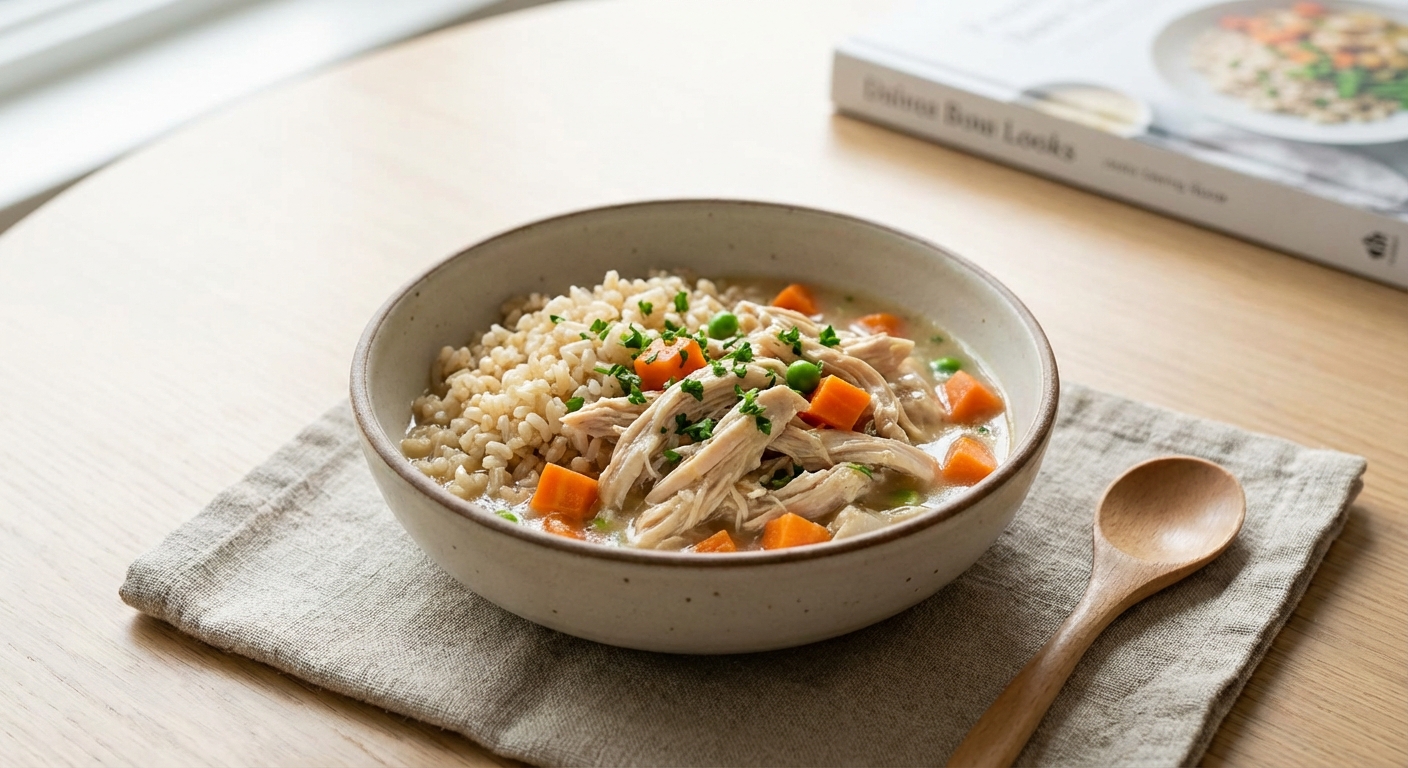
When I first started cooking for my dog, I wanted a meal that was simple, wholesome, and free of anything that could upset a stomach or a sensitive pup’s gut. This Homemade Shredded Chicken Dog Food with Rice, Carrots & Gentle Gravy checks all the boxes. It’s a cozy, 60‑minute project that yields tender, shredded chicken with softly flavored rice and carrots, all hugged by a gentle gravy that seals in moisture without relying on salt or spices. It’s the kind of recipe that makes weeknight dog meals feel like a small celebration—comforting, practical, and completely canine-approved. And yes, it treads carefully around the things dogs should avoid, like onions, garlic, and savory salts—so you can feel confident feeding it as a complete, balanced option in collaboration with your veterinarian. This recipe sits in the deliciously practical category of meals you can make at home for your best friend, and I’m excited to walk you through every savory, spoonable step.
As with any home-cooked dog dish, the idea is to keep the flavor profile gentle, the ingredients familiar, and the textures enjoyable to chew. I’m also a fan of savoring the little moments in cooking—watching the Maillard browning add depth to the chicken, noticing how the fond lifts versus a flat pan, and seeing the rice plump up as it bathes in a light chicken broth. It’s those small observations that transform a straightforward recipe into a mindful process you’ll want to repeat. If you’re curious about the core building blocks, you’ll find them in the sections below, and you can explore related ingredients within the recipe’s internal links to learn more about each component. This dish is a balanced, comforting option for a well-rounded dog meal—and it’s easy to tailor to your dog’s needs with your veterinarian's guidance. For convenience, you’ll notice the recipe’s ingredients are organized to make sense in one pot, and the method is designed to deliver a cohesive texture where the rice, veggies, and shredded chicken mingle with a satisfying, gravy-like coating. For those who love a little extra guidance, this recipe naturally fits in the /category/delicious-homemade category, where you’ll find many dog-friendly meals crafted with the same care.
Ingredients Benefits
Here’s a closer look at the star players in this recipe, and why they work so well for dogs when prepared simply and without added salt or spices. Each item is linked to a quick primer about the ingredient, so you can click through if you’re curious to learn more:
- boneless skinless chicken breast — 2 lb (907 g). A lean, high‑quality protein to support muscle maintenance and overall energy.
- long-grain white rice — 1.5 cups (300 g, uncooked). A gentle carbohydrate that pairs well with protein and vegetables, helping provide a consistent texture for shredding and chewing.
- carrots — 2 cups (about 260 g), peeled and diced. Added fiber, natural sweetness, and a pop of color; they blend nicely with the rice without being overly hard.
- low-sodium chicken broth (or unsalted homemade broth) — 4 cups (960 ml). Creates a comforting liquid that hydrates the grains and adds subtle chicken flavor without excess salt.
- olive oil — 1 tablespoon (14 g). A touch of fat helps carry flavors and promotes browning for a richer aroma.
- cornstarch — 2 tablespoons (16 g). Used as a gentle gravy thickener that coats the rice and chicken, delivering a glossy texture without salt.
- parsley (optional, finely chopped) — 2 tablespoons. A fresh finishing note that adds a hint of brightness and breath-friendly vibes.
Why these choices work together is really about balance. The chicken provides protein, the rice delivers gentle energy, and the carrots bring fiber and natural sweetness. The broth hydrates rather than salts, and the cornstarch gives you a light gravy that makes the dish feel cohesive and satisfying without overwhelming your dog’s palate. You can even see how the textures develop as you cook: browning the chicken for flavor, briefly sautéing the carrots to soften them, and then letting the rice cook in the same pot to meld everything into one comforting bowl. If you’re interested in digging deeper into any specific ingredient, you can click through to the ingredient pages I linked above to learn more about sourcing, safety, and variations.
Expert Tips
Cooking for dogs is a careful balance of flavor, texture, and safety. Here are my best tips to help you nail this recipe and adapt it to your dog’s preferences and needs.
- Brown not cook: The initial browning step is more about flavor than finishing the cooking. Don’t rush to cook the chicken through at this stage; you’re building color and aroma that will carry through the final dish.
- Rice texture matters: Rinsing the rice removes surface starch to avoid a gummy texture. If your dog prefers a firmer bite, you can reduce simmer time by a minute or two; if they like softer rice, let it go a touch longer, keeping an eye on the liquid level so nothing sticks.
- Gentle gravy, gentle digestion: The cornstarch slurry thickens the liquid into a light gravy that coats the morsels. This helps with moisture and palatability without adding salt. If you need it thinner, whisk in a little extra broth; if you want more body, add a touch more slurry gradually.
- Temperature check: Always cool the finished dish to a lukewarm state before serving. A hot bite can burn a dog’s mouth, and cooler meals may be more palatable for sensitive tummies.
- Portion planning: This recipe yields six portions. If your dog’s weight and activity level vary, adjust accordingly. Your veterinarian can offer precise guidance on daily feeding amounts based on your dog’s age, weight, and health goals.
- Make-ahead note: Store portions in airtight containers in the refrigerator for up to 4 days or in the freezer for up to 3 months. Reheat gently to just warm in the meantime, ensuring you stir to distribute heat evenly.
- Allergen awareness and safety: This dish is designed to be free from common alliums (onions, garlic, chives, leeks) and unnecessary salt. If your dog has known sensitivities, consult your vet about substitutions or adjustments.
- Breath-friendly finish: If you want a little fresh lift, a tiny amount of chopped parsley can be sprinkled on top at serving. It’s optional but can brighten the presentation and breath a touch.
Serving Suggestions
How you serve this dish can influence your dog’s enjoyment just as much as the ingredients themselves. Here are some practical ideas to make mealtime appealing and straightforward:
- Plain and simple: Serve the shredded chicken and rice with the gentle gravy poured over the top, ensuring there’s no residual salt or spices. The low-sodium broth and cornstarch gravy provide flavor without risk.
- Temperature matters: Aim for a lukewarm serving to avoid mouth discomfort and to help flavors come through without being overwhelming.
- Portioning for the week: If you’re stocking up, portion six servings into airtight containers after cooling. This makes weekday dinners or lunches quick and predictable.
- Flavor tweaks for picky eaters: Some dogs love a touch more moisture. If your dog tolerates it, you can add a splash more broth during reheating to keep the texture soft and appealing.
- Storage safety: Refrigerate within two hours of cooking. Freeze for longer-term storage, labeling each container with the date so you can rotate through your stock.
- Pairing ideas: This dish is designed to stand alone as a complete meal, but if your vet approves, you can pair it with a small amount of plain yogurt or a vet-approved supplement to balance long-term nutrition concerns. Always consult your veterinarian before introducing supplements into a home-cooked regimen.
- Breath and cleanliness: The parsley option can offer a fresh finish, but if your dog has a sensitive stomach or any known sensitivities, consider skipping the herb and sticking to the base flavors.
FAQ
- How long does the dish keep in the fridge or freezer?
Refrigerate in airtight containers for up to 4 days. For longer storage, freeze portions for up to 3 months. Thaw frozen portions in the fridge overnight before reheating gently.
- Can I make this in advance for a week’s worth of meals?
Yes. You can batch-cook, cool, and portion into airtight containers. Reheat individual portions to lukewarm before serving to your dog.
- What if my dog doesn’t like the texture?
If your dog prefers softer grains, extend the simmer time slightly or add a splash more broth during reheating. If they want more texture, you can reduce the liquid a bit to keep the rice more separate.
- Can I substitute ingredients?
If you need to adapt, you can try substituting other safe vegetables like peas or green beans in small amounts, or use brown rice for extra fiber. Always introduce substitutions gradually and consult with your veterinarian if you have concerns about digestibility or nutrient balance.
If you’re looking for more dog-friendly recipes with the same approachable vibe, explore more ideas in the Delicious homemade collection here: Delicious homemade. And if you’re feeling inspired to tailor meals for your furry friend, I’d love to hear about your experiments—your kitchen could be the start of your dog’s next favorite dinner. If you’re ready to craft your own canine-friendly delights, start your cooking journey here: create.