
Bright, protein-packed Asian Tofu & Vegetable Stir-Fry with Brown Rice: quick, flavor-packed weeknight dinner the whole family will love. Ideal weeknights!
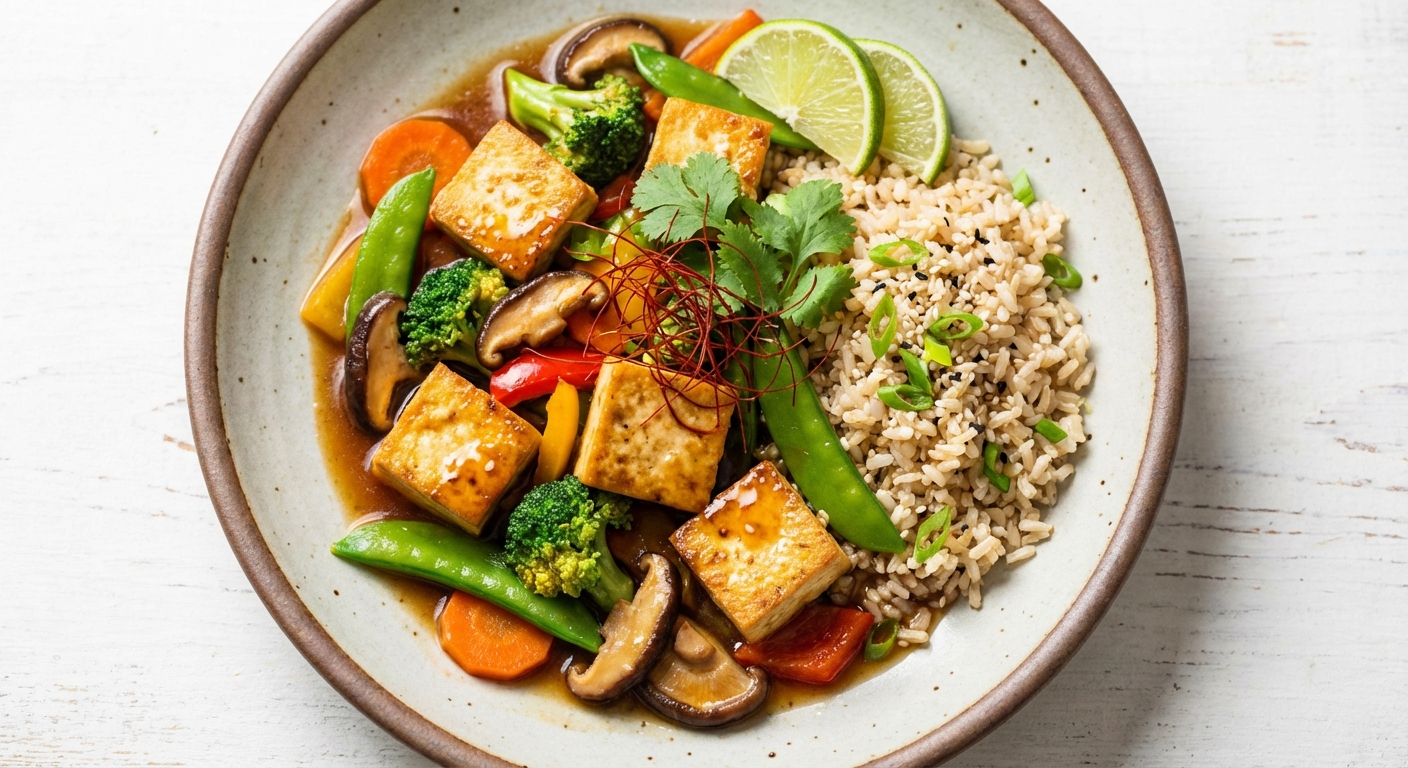
Bright, protein-packed Asian Tofu & Vegetable Stir-Fry with Brown Rice: quick, flavor-packed weeknight dinner the whole family will love. Ideal weeknights!
Ready to cook?
Get the complete ingredient list, step-by-step instructions, and nutritional info
View Recipe →When I first started cooking more plant-forward meals, I found myself reaching for quick weeknight options that didn’t skimp on flavor. This Asian Tofu & Vegetable Stir-Fry with Brown Rice became my go-to for busy evenings when I wanted something comforting, nutritious, and not fussy. The sizzle of garlic and ginger in hot oil, the glossy sheen of a soy-sesame glaze, and the way the tofu gets beautifully golden while the vegetables stay bright and crisp—these are the little kitchen triumphs that make me love cooking again. It’s not just a recipe; it’s a reminder that you can pull together something vibrant and satisfying in under an hour, with pantry staples and a few fresh vegetables. And because it’s flexible, it welcomes experimentation just as easily as it rewards following the steps to a T. If you’re browsing for a wholesome main course that fits squarely in the vegetarian and Asian-inspired categories (two of my favorites, by the way, which you can explore in the respective Vegetarian and Asian sections), you’re in for a treat. This dish checks all the boxes: protein from tofu, fiber from brown rice, and a rainbow of vegetables that bring color, texture, and nutrition to the plate. For me, the best part is how the sauce ties everything together—savory, slightly sweet, and with a kiss of ginger that brightens every bite. If you’re new to cooking tofu, this recipe is an excellent educator: it teaches you to press out moisture, sear until gold, and finish with a glossy sauce that clings to every piece. And if you’re already a fan of stir-fries, you’ll appreciate the way this recipe honors both speed and flavor, with a balance that makes each component sing. You’ll notice I’ve linked some core ingredients with friendly, helpful notes over at the ingredient hub, because understanding what you’re cooking with can elevate a simple weeknight dinner into a thoughtful culinary moment.
Before we dive into the how, let’s talk about why these ingredients work so well together in this Main Course that also sits nicely in the Vegetarian and Asian categories. Each component brings something special to the table, turning a quick skillet session into a nourishing, well-rounded meal.
As you can see, the recipe focuses on accessible staples with a few flavorful extras. The press-and-sear technique for the tofu is what really elevates the texture, transforming it from pale and soft to crisp-edged and satisfying. The sauce is a minimal, well-balanced blend—just enough to glaze the ingredients without overwhelming them. If you’re curious about where to start with each ingredient, you’ll find quick notes linked to the ingredient pages as you read along, which makes shopping and prep a breeze.
These tips come from years of testing, tasting, and adjusting on weeknights when everything felt a little too rushed. They’re practical, actionable, and designed to help you achieve restaurant-like results in a home kitchen.
There’s something comforting about a bowl that combines protein, starch, and vegetables in a single, glossy pan sauce. I like to plate this stir-fry over a warm bed of brown rice, letting the grains soak up a bit of that savory glaze. The colors alone make the dish feel festive—green broccoli, orange carrots, red bell peppers, and the pale gold of seared tofu all mingling with the dark sheen of the sauce. If you want to add a final flourish, a sprinkle of toasted sesame seeds or sliced scallions gives a subtle crunch and a bright crunch of aroma with every bite. For spice fans, a light dusting of white sesame seeds plus a drizzle of sriracha adds a gentle kick without overpowering the balance of flavors.
Pair this with a simple side like a cucumber salad or a light miso soup, or keep it as a standalone dinner that covers all bases. The beauty is in its versatility. If you’re plating for guests or meal-prepping for the week, you can portion the rice and stir-fry into airtight containers in the fridge. The flavors deepen a touch as they meld, and you’ll appreciate how the sauce clings to each cube of tofu and every vegetable bite. And if you’re curious to explore more dishes with similar flavor profiles, the Asian-inspired category is full of ideas that you can mix and match with this recipe.
As always, I encourage you to trust your pantry and your preferences. If you don’t like honey, swap in maple syrup; if you’re avoiding honey altogether, a little agave works, too. If you’re cooking for someone with gluten sensitivity, tamari is a superb stand-in for soy sauce. The beauty of a good stir-fry is that it’s forgiving and friendly to improvisation. If you’re new to ginger, a little goes a long way, so start small and taste as you go. And if you’re ever unsure about a substitution, you can drop a comment or explore the ingredient pages linked throughout the post for more insights. This recipe is about confidence in the kitchen and joy at the table, not perfection on the first try.
If you’ve enjoyed this recipe, I’d love to see your own twists and adaptations. Don’t be afraid to tailor it to your pantry or dietary needs—that’s where the magic happens in home cooking. And if you’re ready to start creating more of your own recipes, the perfect next step is right here: create.
Discover similar recipes you'll love